
Pruning
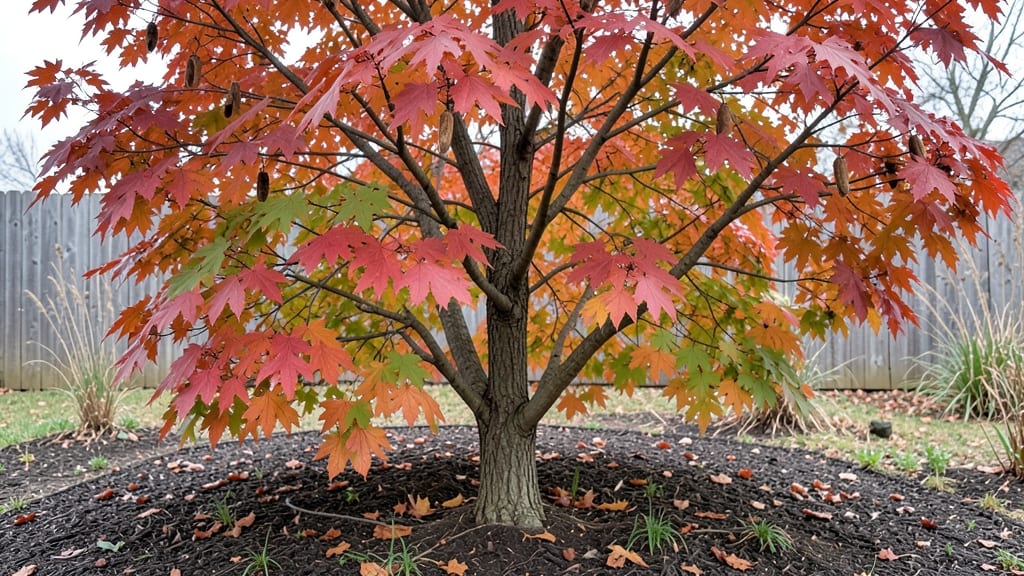
The red autumn tree transforms your yard into a living masterpiece when fall arrives. That fiery red foliage isn't just seasonal—it's a year-round statement piece that makes neighbors stop and stare.
I planted a sugar maple near my front walkway, and now every October, my whole street becomes a postcard-worthy display.
Placement matters more than you'd think. A red autumn tree thrives with full sun to partial shade, so position it where it gets morning light and afternoon dappled shade.
Pair it with evergreens like holly or pine for contrast, or add spring bulbs like daffodils at its base for layered color. The key is balance—let the tree be the star while supporting players frame its drama.
You’ll love how it elevates curb appeal beyond just fall. In spring, delicate green leaves emerge, summer brings lush shade, and winter reveals elegant bark texture. The tree’s height and spread (varying by species) determine its impact—taller varieties make bold statements, while smaller ones fit cozy yards perfectly.
Think of it as nature’s most reliable centerpiece.
For maximum impact, choose a location where the tree’s colors will be seen from inside your home or street. A well-placed red autumn tree isn’t just a plant—it’s a seasonal mood booster that turns your yard into a year-round gallery. Ready to make your outdoor space unforgettable?
📚 In This Guide
- What you need
- Instructions
- Tips and common mistakes
- Wrapping up and next steps
What you need
- ● Pruning shears – Bypass-style, sharp, and 6-8 inches long (for small branches).
- ● Loppers – 8-12 inches, with a long handle (for thicker branches up to 2 inches).
- ● Pruning saw – Curved-tooth blade, 18-24 inches (for branches over 2 inches).
- ● Gloves – Heavy-duty, cut-resistant (to protect hands from thorns and sharp tools).
- ● Ladder – Sturdy, extendable, and rated for your tree’s height (if working above 6 feet).
- ● Disinfectant (70% isopropyl alcohol or pruning sealant) – To sterilize tools and prevent disease spread.
- ● Heavy-duty trash bags or bucket – For collecting pruned branches and debris.
- ○ Tree pruning paint or wound dressing – Optional but helpful for large cuts (over ½ inch).
- ● Pole saw – For high branches without a ladder.
- ● Safety glasses – To shield eyes from debris.
- ● Work boots or closed-toe shoes – For stability on uneven ground.
- ● Extension cord & electric hedge trimmer – For shaping larger trees (if desired).
- ● Notebook & pencil – To sketch pruning plans or mark branches to remove.
How to plant and maintain a stunning red autumn tree
This vibrant tree brings bold color to your landscape year-round with minimal effort.
Choose the Right Location for Year-Round Appeal
Select a spot with at least 6 hours of direct sunlight daily—most red autumn trees thrive in full sun but tolerate partial shade. I always check the mature height of the tree (often 20-30 feet tall) and ensure it won’t overpower nearby structures or power lines. Dig a hole twice as wide as the root ball but no deeper—this prevents soil compaction around the roots.
Test the soil pH before planting—most red autumn trees prefer slightly acidic to neutral soil (6.0-7.0). If your soil is too alkaline, mix in 2-3 gallons of peat moss into the planting hole to adjust the pH. The tree’s vibrant foliage depends on proper soil conditions, so don’t skip this step.
Plant the Tree for Strong Root Establishment
Gently remove the tree from its container and loosen any circling roots—this encourages outward growth instead of a tangled root ball. Place the tree in the hole so the top of the root ball sits 1-2 inches above ground level. Backfill with native soil, tamping lightly every 6 inches to remove air pockets.
Water deeply after planting to settle the soil and eliminate air gaps. I always add 5 gallons of water to help roots establish quickly. Avoid fertilizing immediately—newly planted trees need time to adjust before absorbing nutrients. Mulch the base with 2-3 inches of organic mulch, keeping it 6 inches away from the trunk to prevent rot.
Water Consistently During the First Growing Season
Water the tree twice weekly for the first 3 months, providing 10-15 gallons per watering to encourage deep root growth. Let the soil dry out slightly between waterings—soggy roots lead to rot, but drought stress weakens the tree. You’ll know it’s time to water when the top 2 inches of soil feel dry to the touch.
After the first year, reduce watering to once weekly unless your region experiences extreme heat or drought. Mature trees develop deep roots and handle dry spells better, but consistent moisture helps maintain that vibrant red foliage you planted for.
Prune for Shape and Health in Late Winter
Prune 2-3 branches per year to maintain the tree’s natural shape and remove dead or crossing limbs. Use sterilized pruning shears to make clean cuts just outside the branch collar—this prevents unsightly stubs and promotes faster healing. I always prune in late winter or early spring before new growth begins.
Remove any suckers or water sprouts that appear at the base or along the trunk—these drain energy from the tree’s main structure. Thin out crowded branches to improve airflow, which reduces disease risk. A well-pruned tree develops stronger branches and holds its bold red leaves longer each season.
Fertilize for Lush Foliage and Disease Resistance
Apply a balanced, slow-release fertilizer (10-10-10) in early spring when new growth appears. Spread 1 pound of fertilizer around the tree’s drip line (the area directly under the canopy), then water deeply to activate the nutrients. Avoid over-fertilizing—too much nitrogen leads to weak growth and fewer vibrant fall colors.
In early summer, add ½ pound of iron sulfate if the tree’s new leaves appear yellowish. This boosts chlorophyll production and keeps the foliage rich and green. Stop fertilizing by mid-summer to allow the tree to harden off before winter. Proper nutrition ensures your tree stays healthy and puts on its best autumn red display every year.
Tips & tricks for perfect red autumn tree planting and care
A few simple strategies will help your red autumn tree thrive and deliver that stunning seasonal foliage year after year.
The Sunlight Factor: While your tree can tolerate partial shade, the 6 hours of direct sunlight daily mentioned in Step 1 is non-negotiable for vibrant autumn colors. I’ve seen trees in shadier spots develop duller foliage—if your yard doesn’t get full sun, consider planting near a south-facing wall or fence that reflects sunlight. The extra light makes all the difference in that bold red display.
Root Ball Preparation: When loosening circling roots in Step 2, be gentle but thorough—these roots can strangle your tree if left tangled. I use my fingers to carefully separate them, almost like untangling headphones. Also, make sure the 1-2 inches above ground level positioning isn’t too deep—roots need oxygen to grow properly. A simple trick is to use a pencil to mark the correct depth before planting.
Watering Wisdom: The 10-15 gallons per watering recommendation in Step 3 might seem like a lot, but it’s crucial for deep root establishment. I like to use a garden hose with a slow setting to distribute water evenly. For the first 3 months, set a reminder on your phone—consistency is key. You’ll notice the soil stays moist but not soggy at the top 2 inches when it’s time to water again.
Pruning Precision: When pruning in Step 4, focus on removing branches that cross or rub against each other—they create wounds that attract pests. I always sterilize my pruning shears with rubbing alcohol between cuts to prevent spreading disease. And remember, those 2-3 branches per year should be about ¼ inch in diameter—smaller cuts heal faster and look cleaner.
Pro Tips for Red Autumn Tree
- A few simple strategies will help your red autumn tree thrive and deliver that stunning seasonal foliage year after year.
- The Sunlight Factor: While your tree can tolerate partial shade, the 6 hours of direct sunlight daily mentioned in Step 1 is non-negotiable for vibrant autumn colors.
- Root Ball Preparation: When loosening circling roots in Step 2, be gentle but thorough—these roots can strangle your tree if left tangled.
Frequently asked questions
Got questions about keeping your red autumn tree vibrant and healthy?
Here are answers to the most common ones—so you can enjoy that stunning seasonal foliage all year long!
When is the best time to plant a red autumn tree for peak color?
The ideal time to plant is in early spring or fall (before the first frost). This gives roots time to establish before winter or summer stress. For instant curb appeal, choose dwarf varieties or container-grown trees—they adapt faster and show color sooner!
How do I prune a red autumn tree to keep it healthy and colorful?
Prune in late winter or early spring before new growth starts. Remove dead, diseased, or crossing branches first, then thin out crowded areas to improve airflow. Avoid heavy pruning in fall—it can stress the tree before winter. Sterilize tools between cuts to prevent disease!
Why aren’t my red autumn tree leaves turning as vibrant this year?
Poor color could mean nutrient deficiency (try a balanced fertilizer in early spring), overwatering (let soil dry slightly between waterings), or stress from pests (check for spider mites or aphids). If the tree is young, it may just need time—patience pays off with brighter hues in future seasons!
Can I grow a red autumn tree in a small yard or container?
Opt for dwarf varieties like Japanese maples or compact oaks, which thrive in containers (use well-draining soil). Place in full sun to partial shade and water consistently. Just ensure the pot is at least 12 inches deep and has drainage holes to prevent root rot.
How do I protect my red autumn tree from winter damage?
Mulch the base with 2–4 inches of organic mulch (like wood chips) to insulate roots. Water deeply before the first frost, then reduce watering in winter. For young or tender trees, wrap the trunk with tree guard to prevent sunscald. Avoid heavy snow buildup—gently brush it off to prevent branch breakage!
Wrapping up and next steps
The red autumn tree isn’t just a fleeting seasonal spectacle—it’s an investment in year-round beauty and property value. With the right pruning techniques and seasonal care, you can transform your yard into a stunning, low-maintenance landscape that turns heads all year. 🍂
Ready to make your red autumn tree the star of your curb appeal? Start by scheduling a pruning session this fall, then keep an eye on its growth throughout the year. Small, consistent efforts will yield big rewards—happy neighbors and a vibrant outdoor space you’ll love!
Next step: Grab your tools and give your tree the attention it deserves—your future self (and your home’s curb appeal) will thank you!