
Blooming
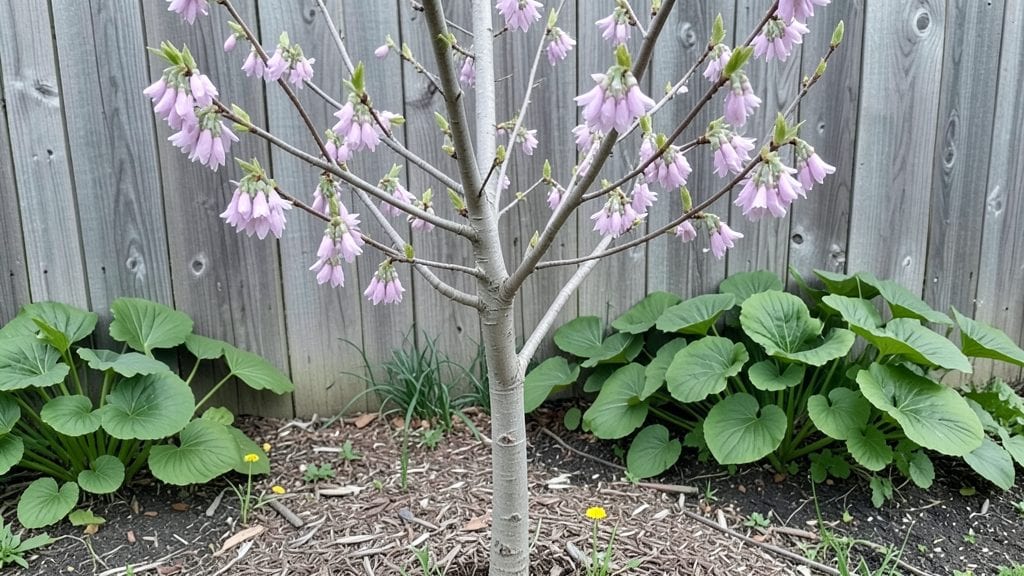
Your redbud tree after bloom isn’t just about cutting back—it’s about setting up next year’s spectacular pink show while keeping the tree strong through summer and winter. I’ve pruned mine every spring for five years, and the difference in bloom density and overall health is night and day.
The key isn’t just when you cut, but how you encourage that new growth to thicken and spread.
Right after the blooms fade—usually by late May or early June—is your window to prune. Grab your loppers and focus on shaping the tree by removing any dead, crossing, or weak branches first.
Then, thin out about 20-30% of the oldest stems to open up the canopy and let sunlight reach the center. This isn’t just about looks; it’s about preventing disease and encouraging those vibrant new shoots that’ll burst with flowers next spring.
After pruning, give your redbud a light feeding with a balanced fertilizer—something like 10-10-10—to support the new growth. Water deeply but not excessively, as soggy soil invites root rot.
By summer, you’ll notice fresh, dark green foliage filling in where you pruned, and those branches will be stockier and more resilient come winter. It’s like giving your tree a fresh start every year.
Don’t forget to keep an eye out for pests like aphids or borers, especially in hot, dry summers. A quick spray of neem oil or introducing ladybugs can save you a lot of headaches.
With consistent care, your redbud will reward you with healthier blooms year after year—and maybe even a few surprise flowers on new growth later in the season. Now, let’s get those pruners ready!
📚 In This Guide
- What you need
- Instructions
- Tips and common mistakes
- Wrapping up and next steps
What you need
- ● Pruning shears: Bypass pruners (4-6" blades) for small branches (1/4"–3/4" diameter). Must be sharp and clean!
- ● Loppers: 6-8" blades for medium branches (3/4"–2" diameter). Look for ratcheting or bypass styles for precision.
- ● Pruning saw: Curved-tooth saw for thick branches (2"+ diameter). Dull saws tear wood—avoid this!
- ● Gloves: Heavy-duty leather or nitrile-coated gloves (size medium/large) to protect from thorns and sap.
- ● Disinfectant: 70% isopropyl alcohol or a 10% bleach solution (1 part bleach to 9 parts water) to sterilize tools between cuts.
- ○ Pruning sealant: Optional but helpful for large cuts (>2" diameter). Choose a latex-based or tree wound dressing (e.g., Tanglefoot Tree Wound Pruning Seal).
- ● Ladder: Extendable aluminum ladder (16–20 ft) with non-slip feet and a sturdy platform for high branches.
- ● Safety gear: Safety glasses, long sleeves, and closed-toe shoes. Thorns + tools = no fun without protection!
- ● Timing: Prune after the tree blooms (late spring/early summer) but before new growth hardens (avoid late fall/winter).
- ● Weather: Choose a dry, overcast day (humidity slows healing). Never prune when branches are wet!
- ● Tree health check: Inspect for diseased branches (mushrooms, oozing sap) or dead wood (brown, brittle). Remove these first.
- ● Plan your cuts: Sketch a rough map of branches to remove. Aim to open the canopy for airflow and sunlight.
- ○ Cleanup supplies: Heavy-duty trash bags (2–3) and a shovel for burying large debris (optional but eco-friendly!).
- ● 🔥 Sharpen your tools! Dull blades crush wood, inviting disease. Hone shears with a file or sharpening stone before starting.
- ● 🌡️ Work in layers: Remove up to 25% of the canopy in one session to avoid stressing the tree.
- ● ✨ Label branches: Use twine or flags to mark branches for removal if you’re working in stages.
Instructions for pruning redbud trees after bloom
Here’s how to keep your redbud thriving after its stunning spring show—without sacrificing next year’s flowers.
Wait Until After Full Bloom
Never prune while the tree is in bloom or you’ll cut off next year’s flowers, which form on last year’s growth. Wait until 3-4 weeks after blooming when all petals have fallen naturally. This timing ensures you’re only removing dead or weak branches while preserving the tree’s energy for new growth.
Check the ground for fallen petals as your cue—when the lawn is clear of pink debris, it’s safe to start. If you’re unsure, observe the tree’s growth cycle: redbuds bloom early, so by late May or early June, you’ll be in the clear. This patience pays off with stronger branches and more vibrant blooms next spring.
Remove Dead, Diseased, or Crossing Branches
Start by scanning the tree for dead branches—they’ll be brittle, gray, or snap easily when bent. Use clean, sharp pruning shears to make 45-degree cuts just outside the branch collar (the swollen area where the branch meets the trunk). Avoid leaving stubs, as they invite disease.
Next, target crossing or rubbing branches—these create wounds and weaken the tree. If two branches grow toward each other, remove the smaller one at its base. For diseased branches (look for discoloration or oozing sap), cut back to healthy wood. Sterilize your tools between cuts with rubbing alcohol to prevent spreading pathogens.
Thin the Canopy for Airflow
Redbuds naturally grow with an open, airy shape, but over time, dense growth can block sunlight and airflow. Focus on thinning out crowded areas by removing 10-20% of the smallest branches from the interior. Aim for a balanced silhouette—you want sunlight to reach the center of the tree.
Use hand pruners for branches up to ½ inch thick and loppers for thicker stems. Step back often to visualize the tree’s structure. Avoid over-thinning, which stresses the tree. Your goal is to improve light penetration without creating large, gaping wounds that take years to heal.
Shape Lightly for Balance
Redbuds have a natural, graceful form, so minimal shaping is best. If the tree leans or grows unevenly, prune back the longest branches by ⅓ of their length to encourage a more balanced shape. Always cut just above a leaf bud or side branch to promote new growth in the right direction.
For young trees, you can guide their structure by selectively pruning competing leaders (the strongest upward-growing branches). Older trees may need occasional rejuvenation pruning—remove 1-2 old branches at the base to stimulate new growth from the bottom. This keeps the tree vibrant and prevents a bare, top-heavy look.
Clean Up and Monitor Recovery
After pruning, rake up all debris and dispose of it in the trash—never compost diseased branches. Water the tree deeply to help it recover, especially if you’ve made large cuts. A 1-inch layer of mulch (like shredded bark) around the base retains moisture and regulates soil temperature.
Watch for new growth in 4-6 weeks—healthy redbuds will sprout fresh leaves and buds where you pruned. If you see excessive weeping (clear sap) from cuts, it’s normal and will stop as the tree seals the wounds. Avoid fertilizing immediately; let the tree focus on healing before adding nutrients.
Tips & tricks for pruning redbud trees after bloom
A few key techniques will help you prune like a pro and keep your redbud looking its best for years to come.
Timing is Everything: The 3-4 week waiting period after blooming is non-negotiable. I learned this the hard way after accidentally pruning too early and losing next year's flowers. If you're unsure about timing, check for fallen petals—when your lawn is clear of pink debris, it's safe to begin. For most regions, this falls between late May and early June, but always confirm by observing your specific tree.
Tool Technique Matters: Always use clean, sharp pruning shears to make precise 45-degree cuts just outside the branch collar. I've seen too many trees with ragged cuts that invite disease. Sterilize your tools between cuts with rubbing alcohol, especially when dealing with diseased branches. For branches thicker than ½ inch, use loppers to avoid crushing the wood—this makes all the difference in how clean your cuts heal.
Visualize the Tree's Structure: Before making any cuts, step back and examine the tree's overall shape. Redbuds naturally grow with an open form, so your goal should be to enhance this rather than drastically reshape it. When thinning the canopy, aim to remove no more than 20% of the smallest interior branches. This improves airflow without stressing the tree, which is crucial for maintaining that vibrant spring bloom year after year.
Recovery Care is Critical: After pruning, don't forget the aftercare. Water deeply to help the tree recover, especially if you've made larger cuts. I've found that adding a 1-inch layer of shredded bark mulch around the base helps retain moisture and regulates soil temperature. Watch for new growth in 4-6 weeks as a sign the tree is healing properly. Avoid fertilizing immediately—the tree needs to focus on sealing its wounds before adding nutrients.
Pro Tips for Redbud Tree After Bloom
- A few key techniques will help you prune like a pro and keep your redbud looking its best for years to come.
- Timing is Everything: The 3-4 week waiting period after blooming is non-negotiable.
- Tool Technique Matters: Always use clean, sharp pruning shears to make precise 45-degree cuts just outside the branch collar.
Frequently asked questions
Got questions about caring for your redbud tree after those stunning blooms fade? Here are some of the most common concerns—and their answers—to keep your tree thriving all year long.
When is the best time to prune a redbud tree after it blooms?
The ideal window is late winter to early spring, just as buds begin to swell but before new growth starts. This timing ensures you don’t accidentally remove next year’s flowers. Avoid pruning in fall, as it can stimulate tender growth vulnerable to frost damage.
Can I prune a redbud tree after it’s already bloomed?
Yes, but with caution! If you miss the late-winter window, prune immediately after blooming (late March–April in most zones). Focus on removing only dead, diseased, or crossing branches—avoid heavy pruning, as it may reduce next year’s flower production. Light shaping is fine, but prioritize health over aesthetics.
Why did my redbud tree not bloom this year after pruning?
Redbuds bloom on old wood, so aggressive pruning (cutting back more than 20–30% of the canopy) can delay or reduce flowers. If you pruned heavily, give it a year to recover. Other culprits include over-fertilizing with high nitrogen (which encourages leafy growth over flowers) or stress from drought or pests. Adjust care next season!
What’s the difference between pruning a young redbud vs. a mature one?
| Young Redbud (1–3 years) | Mature Redbud (4+ years) |
|---|---|
| Focus on removing suckers at the base and shaping to encourage a strong central leader. | Prioritize deadwood removal and thinning to improve airflow; avoid "topping" the tree. |
| Prune lightly to avoid stunting growth. | Prune to open the canopy for sunlight and reduce disease risk. |
Are there alternatives to redbud trees for low-maintenance blooms?
If redbuds seem high-maintenance, consider these equally stunning, low-fuss alternatives:
- Eastern Red Cedar (drought-tolerant, year-round interest)
- Serviceberry (white spring blooms + edible berries)
- Viburnum (varieties like ‘Arrowwood’ for minimal pruning)
- Japanese Andromeda (evergreen shrub with spring flowers)
Wrapping up and next steps
Your redbud tree’s post-bloom care doesn’t have to be overwhelming—just a little attention and timing can keep it thriving!
By pruning after the flowers fade, you’re not just tidying up; you’re shaping a healthier, more vibrant tree for years to come. Now’s the perfect moment to roll up your sleeves and give your tree the love it deserves.
🌱 Next step: Grab your tools, follow your pruning plan, and enjoy watching your redbud flourish with every season! Need a refresher? Bookmark this guide or share it with fellow gardeners—because great trees make great neighbors! 🌿