Blooming
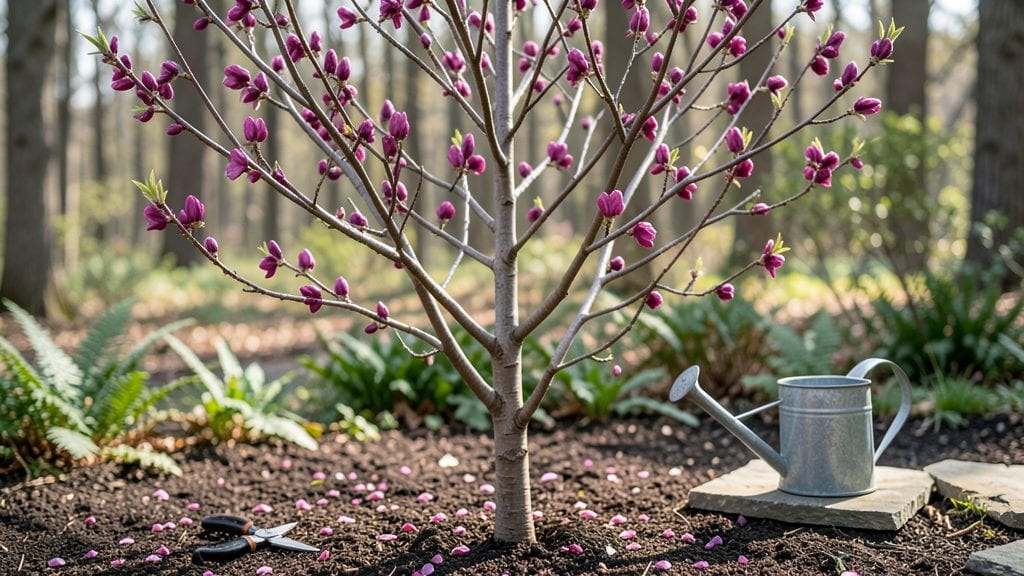
The redbud tree blossoms arrive like a pink waterfall in early spring, turning bare branches into a breathtaking display that steals the show before summer even begins. 🌸 I’ve watched my own redbuds wake up the garden every March, their delicate magenta flowers appearing almost overnight, as if by magic.
There’s nothing quite like that first glimpse of color when everything else is still dormant.
These trees thrive in full sun to partial shade and handle most soil types, making them surprisingly low-maintenance stars for any landscape. Plant them as a focal point near patios or walkways where you’ll see the blossoms up close, or use them as understory trees under larger oaks or maples.
Their heart-shaped leaves add lush green contrast once the flowers fade, extending their seasonal appeal.
To showcase their beauty, pair them with spring bulbs like daffodils or tulips at their base, or plant low-growing perennials like hellebores that bloom early. The combination creates a layered look that feels intentional and effortless.
With proper pruning after blooming, your redbud will keep producing stunning displays for decades—no fancy care required.
Perfect for small yards, urban gardens, or as part of a larger woodland garden, redbuds bring joy without the fuss. Here’s how to make the most of their natural charm while keeping them healthy and happy in your space.
📚 In This Guide
- What you need
- Instructions
- Tips and common mistakes
- Wrapping up and next steps
What you need
- ● Redbud tree seedlings or saplings: 1–3 (depending on desired coverage; choose Cercis canadensis varieties like ‘Forest Pansy’ or ‘Hearts of Gold’).
- ● High-quality potting soil or native soil mix: 5–10 gallons (amend with compost for nutrient-rich planting).
- ● Organic mulch (e.g., wood chips or shredded bark): 2–3 inches (to retain moisture and suppress weeds).
- ● Garden gloves: 1 pair (to protect hands during planting/pruning).
- ● Pruning shears or loppers: 1 pair (sharp, sterilized tools for trimming dead branches).
- ● Watering can or hose with a gentle nozzle: 1 (for deep watering after planting).
- ● Soil pH tester: 1 (redbuds prefer slightly acidic to neutral soil, pH 6.0–7.0).
- ● Tree stake or support: 1–2 (for young saplings in windy areas).
- ● Slow-release fertilizer (balanced 10-10-10): 1 bag (apply sparingly in early spring).
- ● Drip irrigation system or soaker hose: 1 (for consistent watering in dry climates).
- ● Camera or smartphone: 1 (to capture those show-stopping pink blooms! 📸).
Step-by-step guide to cultivating stunning redbud tree blossoms
Here’s how to coax those iconic pink blooms into your yard—with minimal fuss.
🌱 Step 1: Choose the Perfect Planting Spot
Redbuds thrive in full sun to partial shade, with at least 4-6 hours of sunlight daily. I always pick a location with dappled afternoon shade if your climate runs hot—this prevents leaf scorch while keeping blossoms vibrant. The tree’s natural shape makes it ideal near patios or walkways, where you can admire the cascading flowers from multiple angles.
Test your spot by observing how sunlight moves across the area at different times of day. If the ground stays damp for long periods, avoid low-lying areas—redbuds hate soggy roots. Once you’ve found the right place, mark it with stakes to avoid digging in the wrong spot later.
☀️ Step 2: Plant at the Right Time and Depth
Spring or early fall are the best times to plant, when temperatures hover around 50-65°F. Dig a hole twice as wide as the root ball but only as deep—planting too deep suffocates the roots. Gently loosen the roots if they’re circling tightly, then place the tree in the hole so the top of the root ball sits 1-2 inches above ground level.
Backfill with native soil, tamping lightly to remove air pockets. Water deeply to settle everything, then add a 2-inch layer of mulch around the base (but keep it 3 inches away from the trunk to prevent rot). This mimics the tree’s natural woodland habitat and keeps moisture consistent.
💧 Step 3: Water Deeply and Establish a Routine
For the first year, water once a week during dry spells, giving the tree 1-2 gallons of water per irrigation. You’ll know it’s getting enough when the soil 1 inch down feels slightly moist—not soggy, not bone-dry. Redbuds are drought-tolerant once established, but young trees need steady moisture to develop strong roots.
I like to water in the morning so the foliage dries quickly, reducing fungal risks. After the first year, you can taper off to watering only during prolonged dry periods—mature redbuds can handle brief droughts better than most ornamental trees.
✂️ Step 4: Prune for Shape and Health
Prune in late winter or early spring, before new growth begins, to shape the tree and remove dead or crossing branches. Use clean, sharp pruners to make cuts just outside the branch collar—the swollen area where the branch meets the trunk. Never leave stubs, as they invite disease.
Redbuds naturally form a rounded canopy, so I focus on opening the center for airflow and light. Remove no more than 25% of the tree’s branches in one year—this ensures the tree puts energy into blooms rather than recovering from aggressive pruning.
🌿 Step 5: Fertilize Lightly for Vibrant Blooms
In early spring, apply a balanced, slow-release fertilizer (10-10-10 ratio) around the drip line—the outer edge of the tree’s canopy. Use about ½ cup per inch of trunk diameter. Over-fertilizing leads to lush foliage but fewer flowers, so I skip fertilizer entirely in years when the tree is already thriving.
Watch for signs of stress like yellowing leaves or sparse blooms—these often signal over-fertilization. Redbuds are low-maintenance, so I only fertilize if the tree looks tired or the soil is particularly poor. Mulch annually in late winter to replenish nutrients naturally.
Tips & tricks for perfect redbud tree blossoms
Here's what I've learned over years of growing these stunning pink bloomers—simple tricks that make all the difference.
Sunlight Strategy: That 4-6 hours of sunlight recommendation is non-negotiable for vibrant blooms, but here's the thing: if you're in a hot climate, focus on morning sun with afternoon shade. I've seen redbuds in full afternoon sun get leaf scorch—those pretty pink flowers won't last if the leaves crisp up. Test your spot by observing sunlight patterns for a few days before planting.
Planting Depth Secret: The 1-2 inches above ground level rule is critical—planting too deep suffocates the roots while too shallow exposes them. I always check by making sure the top of the root ball sits just slightly higher than the surrounding soil. After planting, gently firm the soil around the base to eliminate air pockets that could dry out the roots.
Watering Wisdom: Those first-year watering instructions are key, but here's my pro tip: use a moisture meter to check soil moisture at 1 inch down. I aim for that "slightly moist" texture—like a wrung-out sponge. If you're using drip irrigation, place emitters at the drip line (outer edge of canopy) rather than right at the trunk to encourage deep root growth.
Pruning Precision: When pruning those 25% of branches, focus on removing branches that cross or rub against each other first. These are the ones that create wounds and invite disease. I also look for branches growing straight up—they're less likely to produce flowers. Use clean pruners and make cuts just outside the branch collar for the fastest healing.
Pro Tips for Redbud Tree Blossoms
- Here's what I've learned over years of growing these stunning pink bloomers—simple tricks that make all the difference.
- Sunlight Strategy: That 4-6 hours of sunlight recommendation is non-negotiable for vibrant blooms, but here's the thi...
- Planting Depth Secret: The 1-2 inches above ground level rule is critical—planting too deep suffocates the roots whil...
Frequently asked questions
Got questions about those stunning redbud tree blossoms? You’re not alone! Here are some of the most common queries—plus quick answers to help you make the most of these springtime showstoppers.
When do redbud trees bloom, and how long do the flowers last?
Redbud trees typically bloom in early to mid-spring (March–April in most U.S. regions), often before their leaves emerge. The vibrant pink blossoms last about 1–2 weeks, creating a breathtaking but fleeting display. Timing can vary slightly based on climate—warmer areas may see earlier blooms.
Are redbud blossoms toxic to pets or humans?
While redbud blossoms and leaves are not highly toxic, they can cause mild stomach upset if ingested in large quantities. Symptoms may include vomiting or diarrhea. Keep pets away from chewing on branches, and avoid planting near high-traffic areas if you have curious pets. Always consult a vet if ingestion occurs.
How can I encourage more (or bigger) redbud blossoms?
To maximize blooms, ensure your tree gets full sun (6+ hours daily) and well-draining soil. Prune in late winter or early spring to remove dead wood and improve air circulation. Avoid heavy fertilization—redbuds thrive in moderate soil fertility. Mulching helps retain moisture without smothering roots.
What should I do if my redbud tree isn’t blooming?
Lack of blooms often signals stress. Check for poor sunlight, overwatering, or compacted soil. Young trees may need 2–3 years to bloom. If the issue persists, test soil pH (ideal: 6.0–7.0) or inspect for pests like spider mites. A balanced pruning and a light layer of compost can sometimes revive a struggling tree.
Can I use redbud blossoms in floral arrangements?
Their delicate pink hues add a whimsical touch to bouquets. Pick blossoms when fully open but still firm. Remove leaves to extend vase life (lasts 3–5 days with fresh water). Pair them with daffodils, hyacinths, or eucalyptus for a springtime masterpiece. Just avoid overharvesting—let some blooms stay on the tree for pollinators!
Wrapping up and next steps
From their vibrant pink blooms to their low-maintenance charm, redbud tree blossoms are a dream for gardeners and nature lovers alike. Whether you’re planting one for spring color or simply admiring their beauty, these trees bring joy and life to any landscape.
Now that you’re equipped with the knowledge to care for them, why not take the next step? Visit a local nursery, sketch a spot in your garden, or share your excitement with fellow plant enthusiasts—your pink paradise is just a bloom away! 🌸✨