
Pruning
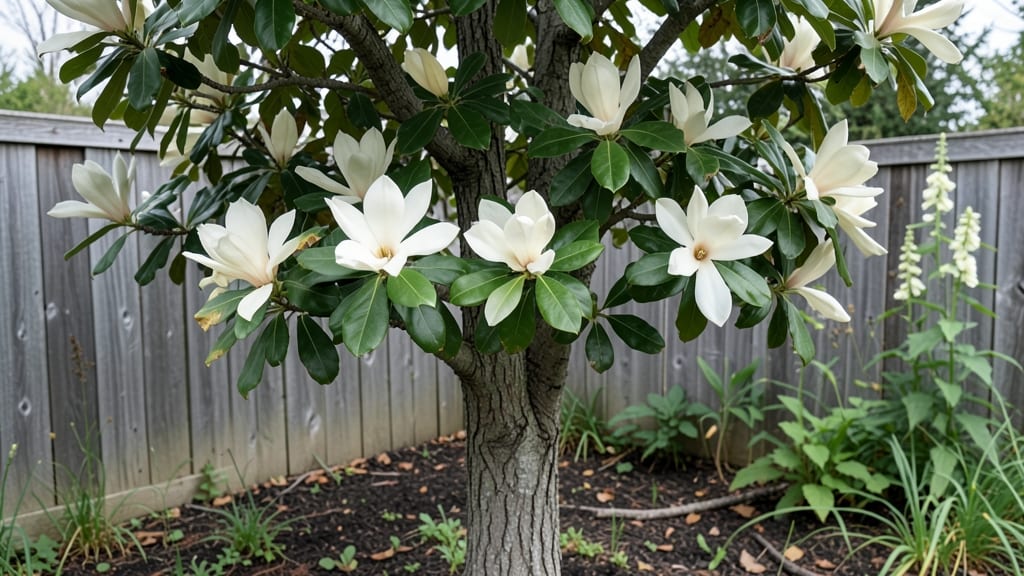
The royal magnolia tree demands respect—but with the right pruning, it rewards you with glossy leaves and fragrant blooms for decades. I’ve spent years shaping mine, and the key is understanding when and how to cut without harming its majestic structure.
Most gardeners over-prune, which weakens the tree, but a few strategic cuts keep it strong and stunning.
Timing matters most: prune right after flowering in late spring or early summer, when the tree has finished blooming. Avoid heavy cuts in fall or winter—they stress the tree and invite disease.
You’ll only need hand pruners and a ladder (or a sturdy stool for smaller branches), plus a sharp saw for thicker limbs. The goal isn’t to trim for shape alone but to improve airflow and sunlight penetration.
What you’ll achieve is a tree that stays healthy, blooms reliably, and grows at a steady 12–24 inches per year. The glossy dark green leaves will shine year-round, and those iconic white flowers will perfume your yard in spring. Just remember: less is more—royal magnolias hate aggressive pruning.
This method works for zones 5–9, where the tree thrives, but adjust timing slightly for cooler climates. Whether you’re dealing with a young sapling or a mature giant, these principles keep it looking its best. Let’s get those branches in shape!
📚 In This Guide
- What you need
- Instructions
- Tips and common mistakes
- Wrapping up and next steps
What you need
- ● Pruning shears: Bypass pruners (for cuts up to ½ inch thick) – 2 pairs (one for you, one backup!).
- ● Loppers: Heavy-duty bypass loppers (for cuts up to 2 inches thick) – 1 pair with a 4-6 foot reach.
- ● Pruning saw: Curved-tooth pruning saw (for branches 2+ inches thick) – 1 with a 10-12 inch blade.
- ● Extension pole: Adjustable pole saw attachment (for hard-to-reach branches) – 1 (20-30 feet long).
- ● Disinfectant: 70% isopropyl alcohol or 10% bleach solution (to sterilize tools between cuts).
- ● Garden gloves: Heavy-duty, cut-resistant gloves – 1 pair (waterproof preferred).
- ● Safety gear: Safety glasses and long sleeves (to protect from sap and debris).
- ● Hand pruners with a ratcheting mechanism (for easier cutting).
- ● Tree wound dressing (only if your tree is prone to disease—most magnolias heal fine without it!).
- ● Ladder or step stool (if the tree is 10+ feet tall).
- ● Sharpie marker (to label branches for future reference).
- ● Trash bags (for collecting debris—30+ gallon size recommended).
- ● Check the weather forecast—prune on a dry, overcast day (avoid windy or rainy conditions!).
- ● Know your tree’s age and growth stage (younger trees need lighter pruning).
- ● Have a clear plan—sketch or mentally map out which branches to trim (aim for 10-20% of the canopy max!).
- ● Confirm the last frost date in your area (pruning timing matters for blooms!).
Instructions for pruning a royal magnolia tree year-round
Mastering this tree’s pruning keeps it vibrant, healthy, and blooming beautifully for decades.
Identify the Best Time for Pruning
The royal magnolia blooms on old wood, so timing matters. Prune immediately after flowering—typically in late spring—when blooms have fallen but new growth hasn’t yet begun. This ensures you don’t accidentally remove next year’s flower buds hidden in last year’s wood.
If you must prune in winter, limit cuts to removing dead or diseased branches only. Avoid heavy pruning in late summer or fall, as new growth won’t harden off before cold weather, leaving branches vulnerable to damage.
Gather the Right Tools and Safety Gear
Royal magnolias can grow large, so use sharp, clean tools to make precise cuts. You’ll need a pair of bypass pruners for small branches up to ½ inch thick, and a pruning saw for thicker limbs. Always wear thick gloves and safety glasses—magnolia branches are tough and can snap back unexpectedly.
Sterilize your tools with rubbing alcohol before and after pruning to prevent spreading disease. A ladder may be necessary for higher branches, but never stand on wobbly or unstable surfaces. If the tree is large, consider hiring a professional for high branches.
Remove Dead, Diseased, or Damaged Branches First
Start by inspecting the tree for branches that are dead, diseased, or crossing—these take priority. Dead branches are brittle and snap easily; diseased ones may have discolored bark, oozing sap, or fungal growth. Cut these out at the branch collar, the swollen area where the branch meets the trunk.
Make clean cuts at a 45-degree angle just outside the branch collar. Avoid leaving stubs, as they invite decay. If a branch is too large to cut cleanly with hand tools, use the pruning saw to make a smooth cut without tearing the bark.
Thin Out Crowded Branches for Airflow
Royal magnolias benefit from open airflow to prevent fungal issues. Look for branches that rub against each other or grow inward toward the center of the tree. Remove one-third of the oldest, thickest branches to improve light penetration and reduce disease risk.
When thinning, cut branches back to a side branch or bud that grows outward. Avoid "topping" the tree by cutting back to a stub—this creates weak, water-sprout growth. Instead, make cuts just above a bud that faces the direction you want the branch to grow.
Shape the Tree for Balance and Aesthetics
Once you’ve removed deadwood and thinned the canopy, focus on shaping. Royal magnolias have a natural, rounded form, so avoid drastic changes. Prune to open the center slightly for better light and airflow, but maintain the tree’s natural silhouette.
Step back frequently to assess the tree’s shape. If one side looks heavier, remove a few branches from that side to restore balance. Avoid over-pruning—royal magnolias respond poorly to heavy cuts, which can reduce flowering. A light touch keeps the tree healthy and encourages abundant blooms.
Tips & tricks for pruning a royal magnolia tree
Pruning a royal magnolia might seem intimidating, but these key strategies will help you maintain its health and beauty without causing stress to the tree.
The Timing Factor: Late spring is the ideal time to prune your royal magnolia because it blooms on old wood. If you miss this window, avoid pruning in late summer or fall, as new growth won't have time to harden off before winter. I've seen too many trees suffer from winter damage because of improper timing—always prioritize late spring for best results.
Tool Selection Matters: Using the right tools makes all the difference. For branches up to ½ inch thick, bypass pruners are essential—they create clean cuts that heal properly. For thicker branches, a pruning saw is a game-changer. I always sterilize my tools with rubbing alcohol before and after use to prevent spreading disease between cuts. Don't skip this step, as fungal infections can spread quickly.
Branch Collar Precision: When removing branches in Step 3, focus on cutting just outside the branch collar at a 45-degree angle. This is where the branch naturally heals itself. I learned this the hard way after leaving stubs that led to decay—always aim for that clean cut outside the collar to promote proper healing.
Thinning Strategy: In Step 4, when thinning crowded branches, remember to remove one-third of the oldest, thickest branches. This improves airflow and light penetration without over-stressing the tree. I recommend cutting back to a side branch or bud that grows outward—this encourages healthy growth in the right direction rather than creating weak water sprouts.
Pro Tips for Royal Magnolia Tree
- Pruning a royal magnolia might seem intimidating, but these key strategies will help you maintain its health and beauty without causing stress to the tree.
- The Timing Factor: Late spring is the ideal time to prune your royal magnolia because it blooms on old wood.
- Tool Selection Matters: Using the right tools makes all the difference.
Frequently asked questions
Got questions about pruning your royal magnolia tree?
You’re not alone! Here are some of the most common queries—plus straightforward answers to keep your tree thriving.
When is the best time to prune a royal magnolia tree?
The ideal time is late winter to early spring (February–March), just before new growth begins. This minimizes stress and avoids spreading fungal diseases. Avoid pruning in fall, as wounds may not heal before winter’s chill. Pro tip: If you must prune in summer, do it early (June) and sterilize tools to prevent infection.
Can I prune a royal magnolia tree in summer?
While possible, summer pruning is not recommended unless addressing safety hazards (like dead branches). Heavy pruning in summer can stress the tree, leading to weak growth or disease. If you must, prune early summer, keep cuts small, and apply a fungicide to wounds. Wait until next winter for major shaping.
How much can I trim back a royal magnolia tree?
Royal magnolias are hardy but sensitive—never remove more than 25–30% of the canopy in a single year. Over-pruning can stunt flowering or harm the tree’s health. Focus on selective thinning to improve airflow and light penetration. Save major reshaping for gradual sessions over 2–3 years.
Why are my royal magnolia branches dying after pruning?
Dead branches often signal over-pruning, disease, or improper cuts. Check for:
Yes! If space is limited, consider these low-maintenance magnolia hybrids:
If branches keep dying, test for vascular wilt (a common magnolia issue) and consult an arborist.
Are there smaller alternatives to royal magnolia trees?
Variety
Mature Height
Key Feature
Little Gem
20–25 ft
Narrow, columnar shape; great for small yards.
Ann Clements
15–20 ft
Compact, fragrant blooms; thrives in partial shade.
Jane
12–15 ft
Dwarf variety; perfect for containers or urban gardens.
Wrapping up and next steps
The royal magnolia tree is a stunning centerpiece that rewards patience and care with breathtaking blooms and lush foliage. By mastering year-round pruning—from light shaping in spring to strategic cuts in late winter—you’ll keep your tree thriving for decades. Remember, consistency is key, and always prioritize health over aesthetics.
Ready to transform your landscape? Grab your tools, dust off your gloves, and give your royal magnolia the TLC it deserves! Start small—even a single session makes a difference—and watch your tree flourish. Happy pruning! 🌿✂️