
Trees
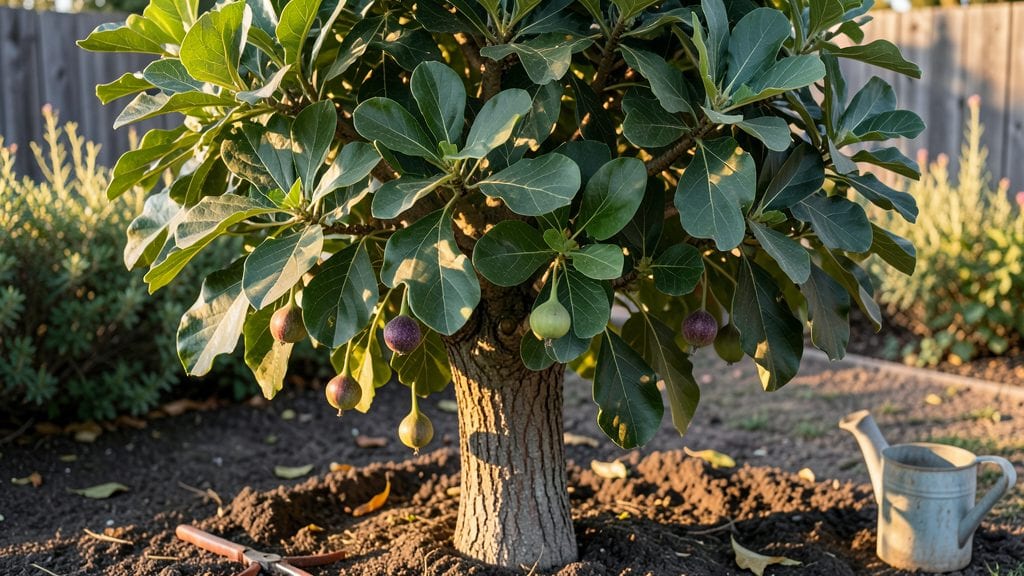
Self-pollinating trees are the secret weapon for backyard fruit growers who want reliable harvests without bees buzzing around. 🌱 I planted a Lisbon Lemon tree last spring, and now I’m enjoying lemons year-round without worrying about nearby pollinators.
These trees do all the heavy lifting themselves, producing fruit from their own flowers.
The key to success starts with the right variety—think figs, persimmons, or certain apple cultivars—and giving them the perfect spot: full sun, well-draining soil, and space to grow.
Most self-pollinating trees thrive in USDA zones 5-9, but always check your specific variety’s needs. Plant in early spring or fall when the soil is workable but not soggy.
Once established, these trees demand minimal fuss—just regular watering, occasional pruning to shape growth, and monitoring for pests like aphids or scale. The payoff? A consistent fruit harvest with less guesswork than cross-pollinated varieties. My tree already produced 20 lemons this season, and it’s only its second year.
For those in cooler climates, consider dwarf varieties or container-grown trees to protect them from harsh winters. The beauty of self-pollinating trees is their reliability—no need for elaborate pollinator setups, just good care and patience. Let’s get growing!
📚 In This Guide
- What you need
- Instructions
- Tips and common mistakes
- Wrapping up and next steps
What you need
- ● Self-pollinating tree saplings: Choose from varieties like figs, apples (e.g., ‘Liberty’), cherries (e.g., ‘Stella’), or plums (e.g., ‘Santa Rosa’). Buy 1–3 trees (depending on space).
- ● High-quality potting soil or native soil: 50 lbs (for in-ground planting) or 10–20 lbs (for containers). Use a mix with 50% compost for nutrient-rich growth.
- ● Organic fertilizer: 10–20 lbs of balanced (10-10-10) or fruit-specific fertilizer (e.g., Espoma Fruit Tree Food).
- ● Mulch: 1–2 cubic yards of wood chips or straw to retain moisture and suppress weeds.
- ○ Drip irrigation system or soaker hose: 50–100 ft (adjust based on tree size). Optional but highly recommended for consistent watering!
- ● Shovel: 1 medium-sized (for digging holes 2–3x wider than the root ball).
- ● Garden gloves: 1 pair (heavy-duty for protection).
- ● Pruning shears: 1 pair (bypass pruners for clean cuts).
- ● Wheelbarrow: 1 (for transporting soil/mulch).
- ● Stakes & twine: 4–6 stakes (2–3 ft tall) + 50 ft twine (for young tree support).
- ○ Container (optional): 1–2 large pots (15–25 gallons) if planting in urban spaces. Ensure pots have drainage holes!
- ● Sunlight: Ensure your planting spot gets 6–8 hours of direct sun daily (most self-pollinators thrive here!).
- ● Space: Dwarf varieties: 6–10 ft apart.
- ● Standard trees: 15–25 ft apart.
- ● Water source: Access to a hose or watering can (drip systems are ideal for consistency).
- ● Local climate knowledge: Check your USDA hardiness zone (e.g., Zone 5–9 for most self-pollinators).
- ● 🌡️ Test your soil (pH 6.0–7.0 is ideal for most fruit trees). Use a soil test kit ($10–$20) from a garden center.
- ● ✨ Plant in early spring or fall to avoid extreme heat/cold stress on roots.
- ● 🔥 Label your trees with stakes + tags to track varieties and care needs.
Step-by-Step guide to planting and caring for self-pollinating trees
Here’s how to ensure reliable fruit production without relying on bees or other pollinators.
🌱 Step 1: Select the Right Tree Variety and Planting Site
Choose a self-pollinating cultivar like fig, persimmon, or certain apple varieties (e.g., ‘Liberty’ or ‘Enterprise’). These trees produce fruit without cross-pollination, making them ideal for small spaces or areas with limited pollinators. Plant in full sun—at least 6-8 hours daily—and avoid low-lying spots where cold air settles, as frost can damage young trees.
Dig a hole twice as wide as the root ball but no deeper. Loosen the soil at the bottom to encourage root spread. If your soil is heavy clay, mix in 2-3 inches of compost (from your materials list) to improve drainage. This ensures roots establish quickly and access nutrients without suffocating.
🪴 Step 2: Plant and Water for Strong Establishment
Place the tree in the hole so the root flare (where roots meet the trunk) sits 1-2 inches above soil level. This prevents water from pooling around the trunk, which can cause rot. Backfill with native soil, tamping lightly as you go to eliminate air pockets. Water deeply to settle the soil and remove the watering can.
Create a 4-6 inch deep basin around the base to direct water straight to the roots. Mulch with 3-4 inches of organic mulch (like wood chips) within the basin, keeping it 6 inches away from the trunk to avoid moisture buildup. Water once a week for the first month, then every 10-14 days once established, adjusting for rainfall.
☀️ Step 3: Prune and Fertilize for Optimal Growth
Prune in late winter or early spring before new growth begins. Remove dead, crossing, or diseased branches first, then thin the canopy to improve airflow. Aim for an open center—this reduces humidity and disease risk while maximizing sunlight penetration. For young trees, limit pruning to no more than 25% of the canopy to avoid stress.
Apply a balanced fertilizer (10-10-10 ratio) in early spring when buds swell. Scatter granules evenly under the dripline (the edge of the tree’s canopy) and water deeply to activate them. Avoid fertilizing in fall or winter, as new growth can’t harden off before cold weather. Self-pollinating trees are less fussy about timing, but consistent feeding ensures robust fruit set.
✂️ Step 4: Monitor for Pests and Thin Fruit for Quality
Inspect leaves and branches weekly for signs of pests like aphids, scale, or mites. Treat infestations early with neem oil (diluted per label instructions) or insecticidal soap. Self-pollinating trees are still vulnerable to stress, so address issues before they spread. Prune out heavily infested branches and dispose of them away from the planting site.
Once fruit forms, thin it to 6-12 inches apart on branches. This prevents overcrowding, which leads to small, poor-quality fruit. Focus on keeping 1-2 fruits per cluster, prioritizing the largest, healthiest ones. You’ll see better-sized fruit and fewer issues with disease or pests later in the season.
🍎 Step 5: Harvest and Prepare for Next Year
Harvest when fruit reaches full color and slight softness (e.g., apples blush, figs yield to gentle pressure). Use pruning shears to cut stems cleanly, leaving a small portion of the fruit stem attached. Handle fruit gently to avoid bruising. Store in a cool, dry place (around 35-40°F) for short-term keeping.
After harvest, rake up fallen leaves and debris to reduce disease risk over winter. Apply 2-3 inches of mulch (renewing the previous layer) to insulate roots and retain moisture. Self-pollinating trees are low-maintenance, but this step ensures they rebound strongly in spring. Mark your calendar for next year’s pruning and fertilizing—consistency is key to reliable harvests.
Tips & tricks for perfect self-pollinating fruit trees
Here’s what I’ve learned from years of growing self-pollinating trees—these small tweaks make all the difference between a decent harvest and a truly abundant one.
Site Selection is Everything: Pay special attention to Step 1’s sun requirement of 6-8 hours daily. I’ve seen trees struggle in spots that get only 5 hours of sunlight—even self-pollinators need that full sun to set fruit properly. If your yard has partial shade, consider planting near a south-facing wall or fence that reflects sunlight. Also, avoid planting in frost pockets where cold air settles—you’ll notice fewer blooms and poor fruit set in those spots.
Root Ball Handling Matters: When planting in Step 2, be gentle with that root ball—don’t let it dry out before planting. I’ve made the mistake of leaving trees wrapped too long, and the roots suffocate. If you can’t plant immediately, keep the root ball moist by wrapping it in damp burlap and storing it in a cool, shaded place. The goal is to maintain that perfect balance of soil moisture around the roots while keeping the root flare 1-2 inches above soil level—this prevents rot while allowing proper drainage.
Watering Wisdom: The once a week watering schedule in Step 2 works for most climates, but I’ve learned to adjust based on rainfall. After planting, check soil moisture by sticking your finger 2 inches deep—if it’s dry, water again. For the first year, deep watering every 5-7 days is better than frequent light watering, which encourages shallow roots. Once established, that 10-14 day schedule becomes your baseline, but always adjust for your local climate.
Pruning Precision: When thinning the canopy in Step 3, aim to remove branches that cross or rub against each other—these create entry points for disease. I’ve found that using sharp pruning shears and making clean cuts at a 45-degree angle just outside the branch collar (that swollen area where the branch meets the trunk) promotes faster healing. For young trees, that 25% canopy limit is critical—over-pruning stresses the tree and can reduce next year’s fruit production.
Pro Tips for Self Pollinating Trees
- Here’s what I’ve learned from years of growing self-pollinating trees—these small tweaks make all the difference between a decent harvest and a truly abundant one.
- Site Selection is Everything: Pay special attention to Step 1’s sun requirement of 6-8 hours daily.
- Root Ball Handling Matters: When planting in Step 2, be gentle with that root ball—don’t let it dry out before planting.
Frequently asked questions
Got questions about self-pollinating trees? You’re not alone! Here are some of the most common concerns—and their simple, no-fuss answers to help you grow fruit like a pro.
What does "self-pollinating" really mean for my tree?
Self-pollinating trees (like figs, mulberries, or certain apple varieties) produce fruit without needing another tree nearby. Their flowers contain both male and female parts, so wind or insects just help—though they can still thrive solo! This means fewer headaches and more consistent harvests year after year.
Do I still need to worry about pollinators if my tree is self-pollinating?
While self-pollinating trees don’t require bees or butterflies, pollinators can still boost fruit set and quality. Think of them as the "cherry on top"! If you’re in a remote area, hand-pollinating with a soft paintbrush (gentle swipes on flowers) can give your tree a little extra love for bigger yields.
How long does it take for a self-pollinating tree to bear fruit?
Patience is key! Most self-pollinating trees take 2–5 years to mature and produce fruit, depending on the species. Dwarf varieties (like some citrus or apple trees) may fruit sooner—sometimes even in their first year. Pro tip: Keep soil moist, fertilize lightly, and protect young trees from pests to speed up the process!
Can I grow multiple self-pollinating trees together for better yields?
While they don’t need each other, planting compatible varieties (like different apple or pear trees) can cross-pollinate for bigger or more diverse fruit. Just ensure they’re spaced properly (check your tree’s mature size) to avoid competition. Bonus: It’s like having a built-in fruit buffet!
My self-pollinating tree isn’t fruiting—what’s wrong?
Don’t panic! Common culprits include:
- Age: Young trees (under 3 years) focus on growth.
- Sunlight: Too little sun = fewer flowers. Aim for 6+ hours/day.
- Water/Soil: Drought or poor drainage stresses trees. Mulch and test soil pH!
- Pests/Disease: Check for aphids, mites, or fungal spots. Neem oil or pruning can help.
Wrapping up and next steps
Self-pollinating trees are a game-changer for gardeners and homesteaders—offering reliable fruit without the fuss of bees or complicated cross-pollination! 🌳 Whether you're a beginner or a seasoned grower, these trees deliver consistent harvests with minimal effort.
Now that you’re armed with the right knowledge, why not take the next step? Pick a tree, plant it with confidence, and enjoy the sweet rewards of self-sufficient fruiting!
- 🌱 Action Step: Research local climate-friendly varieties and start planting!
- 📅 Pro Tip: Mark your calendar for pruning and care—consistency is key!