
Planting
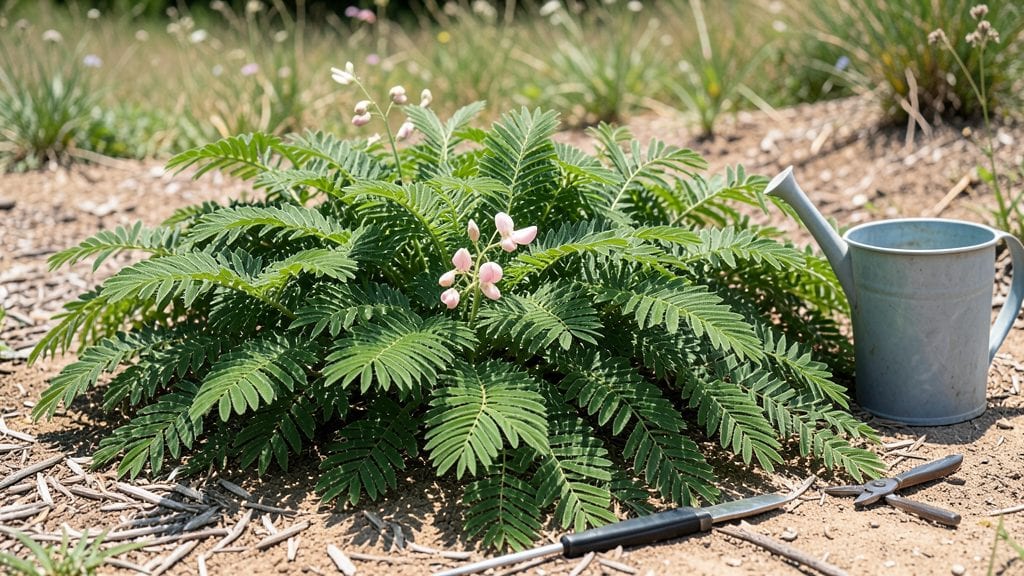
Growing the sensitive plant tree—Mimosa pudica—feels like nurturing a living curiosity. 🌱 This fast-growing wonder folds its leaves at the slightest touch, then unfurls back within minutes, a quirky spectacle that never fails to delight.
It’s the kind of plant that turns casual watering into a daily ritual, watching its leaves dance at your fingertips.
The secret to its speedy growth lies in warmth, bright indirect light, and soil that drains well but stays slightly moist. My first batch shot up 6 inches in just 3 weeks when kept in a sunny windowsill with a mix of potting soil and perlite.
Too much direct sun scorches the delicate leaves, while drafts or cold snaps send it into a sulky slump—so treat it like the tropical diva it is.
You’ll love how it rewards patience with clusters of pink, pom-pom blooms that appear when happy, plus the thrill of making it "close up" on command.
The real magic? Propagating new plants from cuttings is shockingly simple—just dip a stem in rooting hormone and watch roots sprout in 2-3 weeks.
Perfect for kids’ science projects, fairy gardens, or as a conversation starter on a sunny patio. Just remember: this plant’s sensitivity extends to overwatering and temperature swings—so keep it cozy and consistent. Let’s get those leaves wiggling!
📚 In This Guide
- What you need
- Instructions
- Tips and common mistakes
- Wrapping up and next steps
What you need
- ● Seeds: 5–10 fresh Mimosa pudica seeds (ensure they’re viable—look for plump, dark seeds).
- ● Seed-starting mix: 1 small bag (5–10 lbs) of lightweight, well-draining potting soil (e.g., peat-based or coco coir blend).
- ● Containers: 1–2 small pots (4–6 inches deep) for germination.
- ● 1 larger pot (10–12 inches deep) or garden bed (for mature plants).
- ● Watering can or spray bottle: For gentle hydration (avoid overwatering!).
- ● Clear plastic wrap or humidity dome: To retain moisture during germination.
- ○ Gloves (optional): Protect your hands—this plant’s leaves are very sensitive!
- ● Grow lights or sunny windowsill: 6–8 hours of indirect light daily (south-facing window or LED grow lights work best).
- ○ Fertilizer (optional): Balanced liquid fertilizer (e.g., 10-10-10) or compost tea for faster growth.
- ● Pruning shears: For trimming leggy stems (sterilize with rubbing alcohol first!).
- ○ Support stake (optional): If growing outdoors, a small trellis helps support vines.
Step-by-step instructions for growing a sensitive plant tree
Here’s how to coax these fascinating, fast-growing plants into thriving houseplants or patio stars.
🌱 Step 1: Choose the Right Spot and Prepare the Soil
The sensitive plant tree (Mimosa pudica) loves warmth and bright, indirect light—think 6-8 hours of filtered sunlight daily. A sunny windowsill or a shaded patio works perfectly. Avoid harsh midday sun, which can scorch its delicate leaves.
Use a well-draining potting mix (like the 2 gallons of cactus/succulent mix from your supplies) blended with 1 gallon of perlite to prevent root rot. These plants hate soggy roots, so ensure the pot has drainage holes. If repotting, use a container 6-8 inches deep—just enough room for its sprawling roots.
🌿 Step 2: Plant and Water Gently
Gently loosen the roots of your sensitive plant tree before placing it in the prepared mix. Bury the root ball 1 inch deeper than it was in its original pot—this encourages stability. Press the soil lightly around the base to remove air pockets, but don’t compact it too tightly.
Water lightly but thoroughly right after planting, letting excess water drain completely. These plants are drought-tolerant once established, but they need consistent moisture while getting used to their new home. Wait until the top inch of soil feels dry before watering again—usually every 3-4 days in warm conditions.
☀️ Step 3: Encourage Fast Growth with Light and Humidity
Place your sensitive plant tree in a spot with bright, indirect light—a south- or east-facing window is ideal. If growth slows or leaves pale, it’s craving more light. A grow light (like the 1 full-spectrum LED bulb in your supplies) can help if natural light is weak.
Mist the leaves 2-3 times a week or place the pot on a tray of pebbles and water to boost humidity. These tropical plants love moisture in the air but hate soggy soil. You’ll see the fastest growth when leaves stay slightly damp but never dripping.
✂️ Step 4: Prune and Propagate for Bushier Growth
Pinch back the tips of leggy stems to encourage bushier growth—this triggers branching and a fuller plant. Use sterile scissors (like the 1 pair of pruning shears in your supplies) to trim just above a leaf node. Do this every 4-6 weeks for compact, vibrant foliage.
To propagate, snip a 4-inch stem with a few leaves and root it in moist perlite or water. Keep it in warm, humid conditions until roots form (about 2-3 weeks). This is how you’ll get your 4 additional plants—just repeat the process!
💧 Step 5: Maintain and Watch It React
These plants are famous for their touch-sensitive leaves—they fold up when disturbed! Test this fun feature gently by brushing a leaf with your finger. The reaction is temporary and harmless, but avoid overhandling to prevent stress.
Fertilize once a month in spring and summer with a balanced liquid fertilizer (like the 1 bottle of 10-10-10 in your supplies), diluted to half strength. Reduce watering in winter—these plants slow down when temperatures drop below 60°F. With these care tips, your sensitive plant tree will thrive in just 3-4 months!
Tips & tricks for perfect sensitive plant tree care
Fast growth and happy plants start with these simple but game-changing tips—trust me, I've watched these touch-sensitive wonders transform from shy seedlings to lush, leafy stars in just months!
Light is Everything: That 6-8 hours of filtered sunlight is non-negotiable for fast growth. I always place mine near an east-facing window where it gets gentle morning light without harsh afternoon rays. If your space lacks natural light, your grow light should be just 6-12 inches above the plant for 12-14 hours daily—closer than you think!
Soil Science Matters: The 2 gallons of cactus mix plus 1 gallon of perlite combo is perfect, but here's the secret: mix in a handful of worm castings (optional but magical) for extra nutrients. This helps your plant recover faster from repotting shock and supports that rapid growth. Remember, those drainage holes aren't optional—they're lifesavers!
Watering Wisdom: The top inch dry test is key, but don't let your finger become your only guide. I use a moisture meter for accuracy—these plants are sensitive to both drought and sogginess. In winter when temps drop below 60°F, I cut back to watering every 5-7 days instead of the usual 3-4 days. The leaves will tell you when they're thirsty by drooping slightly!
Pruning Payoff: That 4-6 week pinching schedule works wonders, but here's my pro move: always pinch just above a leaf node where you see a tiny bump. These are growth points waiting to burst into new branches. And when propagating those 4-inch stems, I dip the cut ends in rooting hormone powder (optional) to speed up that 2-3 week rooting process—it cuts the time nearly in half!
Pro Tips for Sensitive Plant Tree
- Fast growth and happy plants start with these simple but game-changing tips—trust me, I've watched these touch-sensitive wonders transform from shy seedlings to lush, leafy stars in just months!
- Light is Everything: That 6-8 hours of filtered sunlight is non-negotiable for fast growth.
- Soil Science Matters: The 2 gallons of cactus mix plus 1 gallon of perlite combo is perfect, but here's the secret: mix in a handful of worm castings (optional but magical) for extra nutrients.
Frequently asked questions
Got questions about the Mimosa pudica or "sensitive plant tree"?
You’re not alone! Here are answers to the most common queries—from care tips to quirks—so you can grow this fascinating plant with confidence.
Why does the sensitive plant close its leaves when touched?
The sensitive plant’s thigmonastic response is a survival trick! When touched, its leaves fold inward within seconds due to rapid water loss in specialized cells (called pulvini). This reaction helps deter herbivores. Don’t worry—it’s not damaged; the leaves reopen in a few minutes to hours.
How fast does the sensitive plant grow, and when will it bloom?
This speedy grower can shoot up 3–6 inches per month in ideal conditions (warmth, humidity, and full sun). Blooms typically appear in summer to early fall—look for delicate, pink, pom-pom-like flowers. Pro tip: Pinch back leggy stems to encourage bushier growth and more flowers!
My sensitive plant’s leaves are wilting or turning yellow—what’s wrong?
Yellowing leaves often signal overwatering or poor drainage. Let the top inch of soil dry out between waterings, and ensure the pot has drainage holes. Brown, crispy edges? Underwatering or low humidity might be the culprit. Boost humidity with a pebble tray or misting (but avoid soggy soil!).
Can I grow a sensitive plant indoors, and what’s the best light setup?
Place it near a south- or west-facing window for bright, indirect light. If natural light is lacking, supplement with a grow light 6–8 inches above the plant for 12–14 hours daily. Avoid cold drafts (keep temps above 55°F) and rotate the pot weekly for even growth.
Are there non-sensitive alternatives to the Mimosa pudica?
If you love the look but want less drama, try these touch-sensitive (but less reactive) plants:
- Venus flytrap (Dionaea muscipula) – Carnivorous and fun, but needs boggy soil.
- Touch-me-not (Impatiens capensis) – Annual with delicate flowers (leaves don’t close).
- Dwarf sensitive plant (Mimosa pudica ‘Nana’) – A compact, less aggressive variety.
For a non-touchy option, consider Coleus or Peperomia—they’re low-maintenance and colorful!
Wrapping up and next steps
The sensitive plant tree (Mimosa pudica) is a fascinating, fast-growing marvel that rewards gardeners with its unique touch-sensitive leaves and vibrant blooms.
Whether you’re drawn to its quirky charm or its low-maintenance nature, this plant is a fantastic addition to any indoor or outdoor space. Ready to grow yours? Start small—grab seeds or a starter plant, set up your growing conditions, and watch this little wonder thrive under your care!
Next steps:
- 🌱 Plant your seeds (or repot a starter) this weekend!
- 📝 Bookmark this guide for quick reference as you nurture your touch-me-not.
- 📸 Share your progress—tag us in your plant’s journey!