
Trees
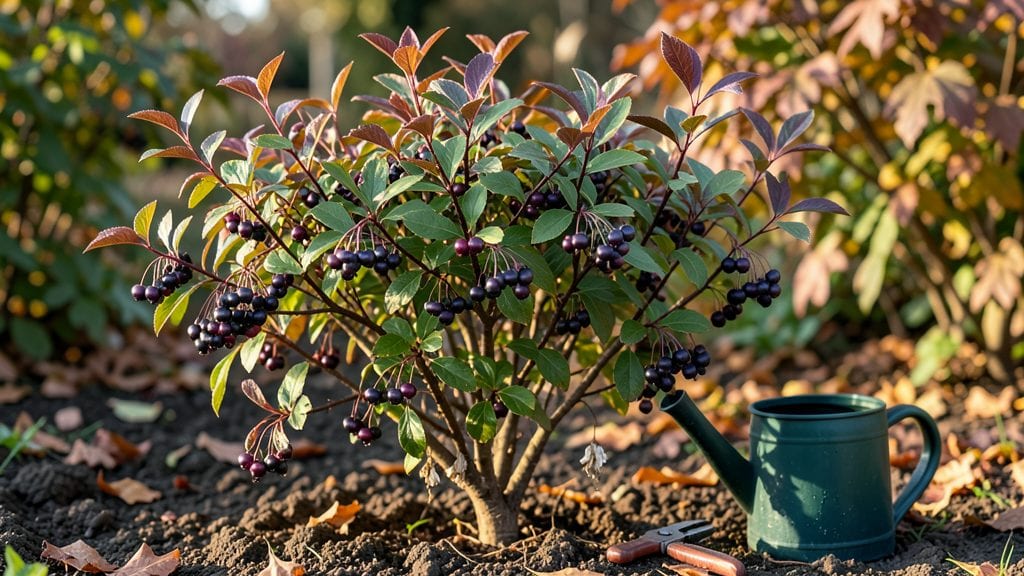
Shrub fruit trees like blueberries and currants give you privacy hedges that double as edible landscapes—imagine fragrant spring blooms followed by harvestable berries all season long. 🌿 I planted a row of elderberries last spring, and now my backyard has a living screen that feeds us and blocks the neighbor’s nosy dog.
The key is choosing varieties that thrive in your hardiness zone, because some shrubs (like gooseberries) handle cold better than others.
You’ll need well-draining soil mixed with compost—these shrubs hate soggy roots—and 3-5 gallons of water per week once established. Most varieties grow 6-10 feet tall, so space them 5-8 feet apart for airflow (crowding invites diseases).
I swear by organic mulch to retain moisture and keep weeds at bay—my blueberries produce twice as many berries since I switched to wood chips.
Pruning in late winter opens up the center for sunlight, and harvesting in late summer to early fall gives you the sweetest fruit. The real magic? These shrubs stay green year-round in mild climates, turning your fence line into a fragrant, productive privacy screen that keeps giving back.
Next up: how to pick the perfect varieties for your space.
Whether you’ve got a small urban lot or a rural acreage, shrub fruit trees adapt—just adjust spacing and watering for your climate. The payoff? A garden that works as hard as you do, with zero compromise on beauty or bounty. Let’s get your hedge growing!
📚 In This Guide
- What you need
- Instructions
- Tips and common mistakes
- Wrapping up and next steps
What you need
- ● Shrub fruit tree varieties: 1–3 plants (e.g., Chaenomeles flowering quince, Cotoneaster, Pyracantha, or Hawthorn). Choose dwarf or semi-dwarf types for smaller spaces.
- ○ Optional: Grafted trees (e.g., Crataegus hawthorn with fruit-bearing grafts) for guaranteed fruit production.
- ● Soil: 5–10 bags (50 lb each) of well-draining, slightly acidic soil mix (pH 6.0–6.5). Amend with compost (2–3 cubic yards) for nutrients.
- ● Fertilizer: 1 bag balanced 10-10-10 fertilizer (for planting) + 1 bag slow-release organic fertilizer (e.g., 5-5-5).
- ○ Optional: Citrus-specific fertilizer (if growing Chaenomeles or Pyracantha).
- ● Mulch: 2–3 bags of organic mulch (e.g., wood chips or straw) to retain moisture.
- ● Digging tools: 1 shovel (round-point for planting holes).
- ● 1 trowel (for delicate root adjustments).
- ● 1 pruning shears (bypass type, sharp for clean cuts).
- ● Measuring & prep: 1 measuring tape (10–25 ft).
- ● 1 garden hose with spray nozzle (for watering).
- ○ Optional: Soil pH test kit (to verify acidity).
- ● Support (if needed): 1–2 tree stakes (for young, top-heavy varieties like Chaenomeles).
- ○ Optional: Wire mesh or lattice (for training vines or espalier styles).
- ● Location: Full sun (6+ hours/day) or partial shade (for hot climates). Avoid low-lying areas (risk of frost pockets).
- ● Spacing: 3–6 ft apart (check variety tags—dwarf types need less space!).
- ● Pro tip: 💡 Plant in odd-numbered clusters (e.g., 3 or 5 plants) for natural, fuller privacy screens.
- ● Timing: Plant in early spring (after last frost) or fall (6 weeks before first frost).
- ● Local regulations: Check zoning laws or HOA rules (some areas restrict fruit-bearing trees).
How to plant and maintain shrub fruit trees for year-round beauty
Here's how to establish these multi-season powerhouses—privacy, fragrance, and fruit all in one package.
🌱 Step 1: Choose the Right Varieties for Your Climate
Select shrub fruit trees suited to your hardiness zone—think serviceberry, elderberry, or flowering currant. These thrive in zones 4-8, delivering edible berries, spring blooms, and fall foliage. I always check the USDA zone map before buying, as some varieties (like Amelanchier for serviceberry) need full sun while others (like Ribes for currant) tolerate partial shade.
Look for disease-resistant cultivars—ask your nursery for varieties like 'Regent' serviceberry or 'Consort' elderberry. These perform better with less fuss. I avoid wild-collected plants; they often carry pests or diseases that spread quickly in the garden.
🪴 Step 2: Prepare Planting Sites with Proper Spacing
Dig holes twice as wide as the root ball but no deeper—this encourages roots to spread horizontally. For 4 shrubs, space them 8-10 feet apart in a staggered formation to create a natural privacy screen. Amend the native soil with 2-3 inches of compost mixed into the bottom of each hole—this improves drainage and nutrient availability.
Place each shrub so the top of the root ball sits level with the surrounding soil. I tap the soil gently around the roots to remove air pockets, then water deeply to settle everything. Avoid planting in low spots where water pools—these shrubs hate soggy roots.
☀️ Step 3: Plant and Mulch for Moisture Retention
Backfill the holes with the amended soil, firming it lightly as you go. Water again to eliminate air gaps, then apply 3 inches of mulch (like wood chips or shredded bark) around the base, keeping it 6 inches away from the trunk. This conserves moisture and suppresses weeds—critical in the first 12-18 months while roots establish.
I use pine bark fines because they break down slowly and improve soil structure over time. Avoid fresh wood chips, which can rob nitrogen as they decompose. Water deeply once a week for the first month, then taper to every 10-14 days once new growth appears.
🌿 Step 4: Prune Strategically for Shape and Health
Prune in early spring (before buds swell) to remove dead, crossing, or weak branches. I make cuts just outside the branch collar—never leave stubs. For serviceberry, I keep the center open to allow light penetration, while elderberry benefits from a more open, airy structure to prevent fungal issues.
Watch for suckers (shoots from the base) and remove them promptly—they divert energy from fruit production. Thin out crowded branches in late winter to improve airflow. You’ll see stronger growth and heavier fruit sets within a season of proper pruning.
⏰ Step 5: Fertilize and Monitor for Pests
Apply a balanced, slow-release fertilizer (like 10-10-10) in early spring and again after harvest. I avoid high-nitrogen fertilizers—they encourage leafy growth at the expense of fruit. Instead, focus on potassium-rich amendments (like greensand) to support berry development.
Check leaves regularly for aphids or spider mites—common pests on these shrubs. I spray with neem oil at the first sign of infestation. For bird issues (they love those berries!), I drape lightweight netting over the shrubs when fruit ripens in late summer.
Tips & tricks for perfectly maintained shrub fruit trees
These game-changing strategies will help you cultivate thriving shrub fruit trees that deliver privacy, fragrance, and delicious harvests year after year.
Variety Selection Wisdom: When choosing between serviceberry, elderberry, and flowering currant, consider their specific growing conditions. Serviceberries like 'Regent' thrive in full sun and produce stunning fall foliage, while elderberries like 'Consort' tolerate partial shade and produce abundant berries. I always verify the specific light requirements for each cultivar—some flowering currants need at least 6 hours of direct sun daily, while others adapt to dappled shade. This attention to detail prevents disappointment down the road.
Root Establishment Strategy: The first 12-18 months are critical for root development, so don't skimp on the mulch layer. I recommend using 3 inches of pine bark fines—not only does it conserve moisture, but it also improves soil structure over time. Remember to keep mulch 6 inches away from the trunk to prevent rot. For the first month, water deeply once a week to encourage root growth, then taper to every 10-14 days once new growth appears. This gradual adjustment prevents waterlogging while supporting establishment.
Pruning Precision: Early spring pruning (before buds swell) is your best defense against disease. I make clean cuts just outside the branch collar to promote faster healing. For serviceberries, I maintain an open center to allow light penetration, while elderberries benefit from a more airy structure to prevent fungal issues. Watch for suckers—those shoots from the base divert energy from fruit production. Removing them promptly ensures your shrubs direct all their resources toward berry development.
Fertilization Insight: Avoid high-nitrogen fertilizers—they encourage leafy growth at the expense of fruit. Instead, focus on potassium-rich amendments like greensand to support berry development. I apply a balanced 10-10-10 fertilizer in early spring and again after harvest, but I supplement with potassium to enhance fruit quality. This targeted approach gives you the best of both worlds: lush foliage and abundant harvests.
Pro Tips for Shrub Fruit Trees
- These game-changing strategies will help you cultivate thriving shrub fruit trees that deliver privacy, fragrance, and delicious harvests year after year.
- Variety Selection Wisdom: When choosing between serviceberry, elderberry, and flowering currant, consider their specific growing conditions.
- Root Establishment Strategy: The first 12-18 months are critical for root development, so don't skimp on the mulch layer.
Frequently asked questions
about shrub fruit trees—because growing edible privacy just got easier! Here are answers to the most common queries to help you thrive.What’s the fastest-growing shrub fruit tree for quick privacy?
For rapid growth, opt for hawthorn or serviceberry varieties—they can reach 10–15 feet in 3–5 years! Mulberries and elderberries also grow quickly but may need pruning to stay compact. Pro tip: Choose dwarf cultivars (like ‘Centennial’ serviceberry) for tighter spaces.
How long until shrub fruit trees bear fruit?
Most shrub fruit trees take 2–5 years to produce fruit, depending on the species and growing conditions. Elderberries and currants often fruit earlier (1–2 years), while mulberries can take 3–4 years. Patience pays off—healthy soil and consistent watering speed up the process!
Can I grow shrub fruit trees in containers?
Dwarf varieties like ‘Suncrest’ currants or ‘Goldfinger’ hawthorn thrive in large containers (15+ gallons). Use well-draining soil, ensure the pot has drainage holes, and repot every 2–3 years. Bonus: Container-grown trees are easier to move if you need to adjust your privacy screen!
Do shrub fruit trees attract pests? How do I prevent issues?
Some, like mulberries and elderberries, may draw fruit flies or birds—but most pests are minor. Preventative tips:
- Prune for airflow to reduce fungal diseases.
- Use netting for berries if birds are a problem.
- Apply organic neem oil if aphids or mites appear.
What’s the best shrub fruit tree for low-maintenance privacy?
If you want zero-fuss beauty and fruit, try aronia (chokeberry) or ‘Creeper’ serviceberry. Both are disease-resistant, drought-tolerant, and produce edible berries with minimal pruning. Extra perk: Their vibrant fall foliage adds seasonal interest without extra work!
Wrapping up and next steps
Shrub fruit trees are a game-changer—offering lush privacy, fragrant blooms, and delicious harvests all year long! Whether you're a gardening novice or a seasoned pro, these versatile plants bring beauty, function, and flavor to your space.
Ready to transform your yard? Start small with a single variety, like loquat or hawthorn, and expand as you gain confidence.
🌱 Next step: Sketch a simple layout of your garden, mark where sunlight hits, and pick your first shrub fruit tree to plant this season!