
Pruning
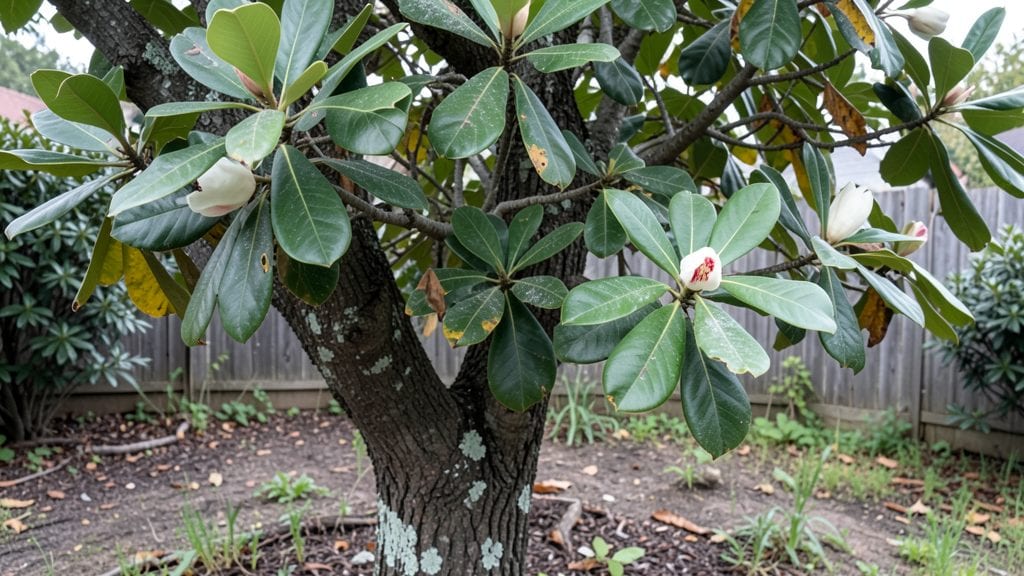
This sick magnolia tree looked like it was giving up—yellowing leaves, sparse blooms, and branches that seemed to sag with every rainstorm. 🌿 The good news? Strategic pruning can revive even the most struggling magnolias, restoring their strength and beauty year after year.
It’s not about drastic cuts, but targeted revitalization to improve airflow, remove deadwood, and encourage new growth.
First, identify the damage: check for pests like scale insects or signs of disease such as black spots (anthracnose) or white powder (powdery mildew). Prune out any diseased branches first—sterilize your tools between cuts to prevent spreading.
Then, focus on thinning out crowded areas to let sunlight reach the center, where new leaves will push through in spring. This isn’t about shaping; it’s about breathing life back into the tree.
After pruning, your magnolia will reward you with faster recovery and healthier blooms next season. The key is timing—do it in late winter or early spring before new growth starts. Within a few months, you’ll notice fresh green leaves and branches that stand tall again.
The best part? This method works for both young and mature trees, no matter their size.
Fair warning: if the tree is severely diseased or structurally compromised, call in an arborist. But for most cases, a little pruning knowledge goes a long way. Let’s get your magnolia back to its majestic self—one careful cut at a time.
📚 In This Guide
- What you need
- Instructions
- Tips and common mistakes
- Wrapping up and next steps
What you need
- ● Pruning shears: Sharp, bypass-style shears (for cuts up to ½ inch in diameter). Quantity: 1 pair.
- ● Loppers: Heavy-duty, long-handled loppers (for cuts up to 2 inches in diameter). Quantity: 1 pair.
- ● Pruning saw: A curved-tooth pruning saw for larger branches (3+ inches in diameter). Quantity: 1.
- ● Disinfectant: 70% isopropyl alcohol or a bleach solution (1 part bleach to 9 parts water) to sterilize tools between cuts. Quantity: Small bottle or spray bottle.
- ● Gloves: Thick, cut-resistant gardening gloves to protect your hands. Quantity: 1 pair.
- ● Safety glasses: To shield your eyes from debris. Quantity: 1 pair.
- ● Tarp or drop cloth: To collect fallen branches and debris. Size: Large enough to cover the work area.
- ● Rake: For clearing debris after pruning. Quantity: 1.
- ○ Pruning sealant (optional but helpful): Tree wound sealant (like Tanglefoot or similar) to coat large cuts (3+ inches). Quantity: Small tube.
- ● Extension pole: For hard-to-reach branches (attachable to pruners or loppers).
- ● Ladder: If your magnolia is tall (ensure it’s stable and rated for your weight).
- ● Notebook & pen: To jot down notes on cuts made or areas of concern.
- ● Water & snacks: Pruning can be a long process—stay hydrated!
Instructions for revitalizing a sick magnolia tree
Here's how I nurse a struggling magnolia back to health using precise pruning techniques.
✂️ Step 1: Assess the Tree and Identify Problem Areas
Start by examining your magnolia closely. Look for dead, dying, or diseased branches—these are your first targets. Dead branches will be brittle, snap easily when bent, and have no green tissue inside when cut open. Diseased branches might show discolored bark, oozing sap, or fungal growth like mold or mildew.
I also check for crossing or rubbing branches that create wounds where pests and diseases can enter. These are common in magnolias that grow too crowded. Use a sharp pair of pruning shears to make small test cuts on suspicious branches—if the wood beneath is brown and dry, it's dead and needs removal.
✂️ Step 2: Prune for Airflow and Light Penetration
Magnolias need good airflow to prevent fungal diseases like powdery mildew. Begin by removing any branches that are growing inward toward the center of the tree. These create dense, shaded areas where moisture lingers and diseases thrive. Cut these branches back to the main trunk or to a healthy outward-growing side branch.
Next, thin out the canopy by removing about 20-30% of the total branches—this opens up the tree to more sunlight. Focus on branches that are too close together or those that block light from reaching the inner foliage. Make clean cuts just outside the branch collar (the swollen area where the branch meets the trunk) to prevent damage to the tree.
💧 Step 3: Address Watering and Soil Issues
Sick magnolias often suffer from improper watering. Check the soil around the base of the tree—it should feel moist but not soggy about 2-3 inches deep. If the soil is dry, water deeply until moisture reaches 12-18 inches down, then let it dry slightly before watering again. Overwatering is just as harmful as underwatering.
If the soil feels compacted or waterlogged, improve drainage by adding 2-3 inches of organic mulch (like shredded bark) around the tree, keeping it 3-4 inches away from the trunk. This helps retain moisture while preventing root rot. Avoid heavy, clay soils—magnolias prefer well-draining, slightly acidic soil with a pH between 5.0 and 6.5.
☀️ Step 4: Fertilize and Monitor for Pests
After pruning, give your magnolia a balanced, slow-release fertilizer to replenish nutrients. Use a 10-10-10 or 20-20-20 formula in early spring, following the package instructions for application rates. Avoid over-fertilizing, which can burn roots and stress the tree further. I also check for signs of pests like scale insects, spider mites, or borers—common culprits in sick magnolias.
If you spot pests, treat the tree with neem oil or horticultural oil in late winter or early spring before new growth appears. Spray the oil on a calm day when temperatures are above 50°F to avoid harming the tree. Repeat applications every 7-10 days until the pests are gone. Healthy magnolias are less susceptible to infestations, so focus on improving overall tree vigor.
⏰ Step 5: Plan for Year-Round Care and Prevention
Revitalizing a sick magnolia is an ongoing process. In late winter, before buds swell, do a light pruning to remove any new dead or diseased branches that appeared over the winter. This keeps the tree healthy and prevents the spread of disease. Avoid heavy pruning in late summer or fall, as it can stimulate new growth that won’t harden off before winter.
Monitor your magnolia regularly for signs of stress, such as yellowing leaves, wilting, or unusual leaf drop. These can indicate issues like nutrient deficiencies, soil problems, or environmental stressors. Keep the area around the tree free of weeds and debris, which can harbor pests and diseases. With consistent care, your magnolia will regain its strength and beauty year after year.
Tips & tricks for revitalizing a sick magnolia tree
Reviving a struggling magnolia requires patience and precision—here's what I've learned from years of nursing these beautiful trees back to health.
Timing is Everything: Late winter is the ideal time for major pruning, before buds begin to swell. This timing gives your magnolia time to heal and prepare for the growing season. If you missed the window, spring is your next best option—but avoid pruning in late summer or fall, as new growth won't have time to harden off before winter.
The Pruning Technique That Changed Everything: When removing branches in Step 2, always make clean cuts just outside the branch collar—the swollen area where the branch meets the trunk. This prevents damage to the tree and promotes faster healing. I also recommend using sharp pruning shears to avoid tearing the bark, which creates entry points for diseases.
Soil Test Savings: Before amending your soil, consider getting a simple pH test kit (they're inexpensive and available at garden centers). Magnolias thrive in slightly acidic soil between 5.0 and 6.5—if your soil is outside this range, you'll know exactly how much lime (to raise pH) or sulfur (to lower pH) to add. This targeted approach saves money and prevents over-correcting.
Pest Prevention Strategy: After treating for pests in Step 4, I like to follow up with a preventive measure: apply a layer of diatomaceous earth around the base of the tree. This natural powder creates a barrier that deters crawling insects while being completely safe for the tree and surrounding plants. Just be sure to reapply after rain.
Pro Tips for Sick Magnolia Tree
- Reviving a struggling magnolia requires patience and precision—here's what I've learned from years of nursing these beautiful trees back to health.
- Timing is Everything: Late winter is the ideal time for major pruning, before buds begin to swell.
- The Pruning Technique That Changed Everything: When removing branches in Step 2, always make clean cuts just outside the branch collar—the swollen area where the branch meets the trunk.
Frequently asked questions
Why is my magnolia tree sick? What are the most common signs?
A sick magnolia often shows yellowing leaves (chlorosis), brown patches, wilting branches, or excessive leaf drop. Fungal diseases (like anthracnose), pests (such as scale insects or borers), or environmental stress (poor drainage, overwatering, or nutrient deficiencies) are top culprits. Check for cracks in bark, oozing sap, or unusual growths—these can pinpoint the issue.
Is it safe to prune a sick magnolia tree? When’s the best time?
Yes! Pruning revitalizes a sick magnolia by removing dead/diseased wood and improving airflow. The ideal time is late winter or early spring (before buds swell)—this minimizes stress and lets the tree recover as it enters active growth. Avoid pruning in fall or during drought.
Can I prune too much? How do I avoid killing my tree?
Never remove more than 20–30% of the canopy at once. Over-pruning shocks the tree, weakening its immune system. Focus on dead, crossing, or diseased branches first, then thin out dense areas. Pro tip: Use sharp, sterilized tools to prevent spreading infections!
What if my magnolia doesn’t recover after pruning?
If the tree remains weak after pruning, it may need deeper care:
- Soil test for pH/nutrient imbalances (magnolias thrive in acidic, well-draining soil).
- Fertilize with iron sulfate or sulfur for chlorosis.
- Treat pests/diseases with fungicides (e.g., copper-based) or insecticidal soap.
- Consider professional arborist help if root rot or borers are suspected.
Are there magnolia alternatives that require less maintenance?
If your magnolia is beyond saving, try these low-maintenance, disease-resistant alternatives:
Tree
Why It’s Great
Southern Live Oak
Drought-tolerant, shade-providing, and pest-resistant.
Crapemyrtle
Thrives in heat, minimal pruning needed, and blooms reliably.
Crepe Myrtle (Lagerstroemia)
Adaptable, disease-resistant, and offers stunning fall color.
For magnolia lovers, ‘Little Gem’ or ‘Ann’ dwarf magnolias are easier to manage but still stunning!
Wrapping up and next steps
A sick magnolia tree isn’t a lost cause—with the right knowledge and a little patience, it can thrive again! 🌿 Revitalization pruning, proper tools, and seasonal care are your best allies in restoring its health.
Start by assessing the damage, then follow the steps outlined to encourage new growth and resilience.
Now’s the time to roll up your sleeves and give your magnolia the care it deserves. Begin with a thorough inspection and take actionable steps—your tree (and future shade!) will thank you. Happy pruning! 🌳✨