
Trees
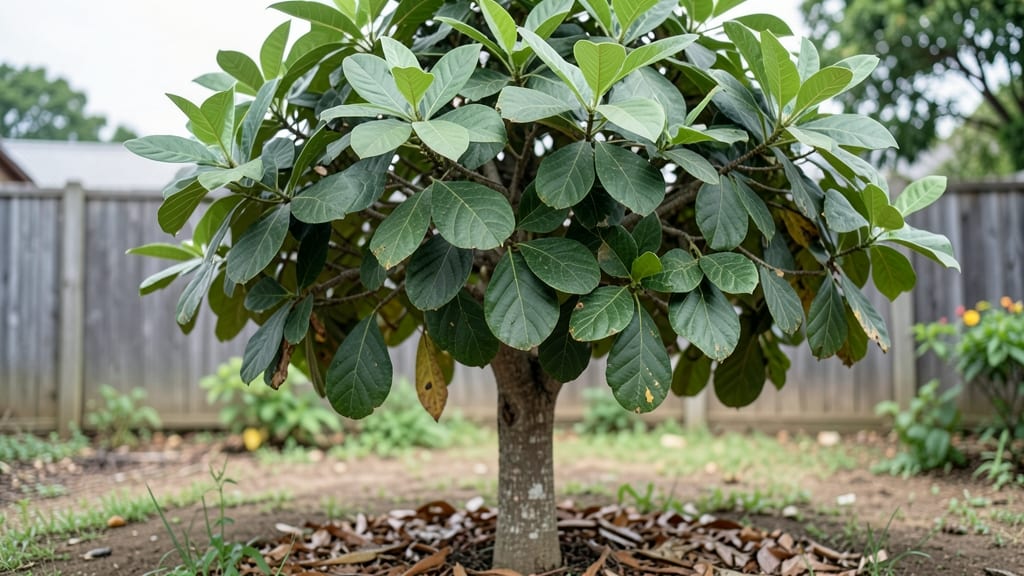
Harvesting sitaphal tree leaves for cooking means you’re getting fresh, fragrant greens that taste better than anything you’ll find in a store. 🌿 The catch?
Those leaves are also a magnet for pests and diseases—like mites, aphids, or that dreaded anthracnose fungus—so you’ve got to act fast before they ruin your harvest.
Start by checking the leaves for tiny webs (mites), sticky residue (aphids), or dark spots (fungus). If you catch problems early, a simple mix of neem oil and water sprays can save your crop.
For severe cases, a targeted fungicide or insecticide keeps the tree healthy while you harvest. The key is acting before the leaves yellow or drop.
📚 In This Guide
- What you need
- Instructions
- Tips and common mistakes
- Wrapping up and next steps
What you need
- ● Fresh sitaphal tree leaves: 1–2 cups (or ~5–10 medium leaves, depending on size). Ensure they’re bright green, free of pests, and firm to the touch.
- ● Water: 2 cups (for rinsing and soaking). Use filtered or boiled water if possible.
- ● Salt: 1 tsp (for cleaning and preservation). Iodized or sea salt works best.
- ● Sharp kitchen shears or knife: For harvesting leaves cleanly (sterilize with rubbing alcohol if reused).
- ● Large bowl or basin: For rinsing and soaking leaves.
- ● Colander or fine mesh strainer: To drain excess water.
- ● Paper towels or clean kitchen towel: For patting leaves dry.
- ● Air-tight container (glass or food-grade plastic): For storage (e.g., mason jar or Tupperware).
- ○ Optional: Food dehydrator or oven (for drying leaves).
- ● Blender or mortar & pestle (for grinding into powder).
- ● Herb dryer or hanging mesh bag (for traditional air-drying).
- ● Knowledge of the sitaphal tree: Confirm leaves are from a non-toxic tree (consult a local expert if unsure).
- ● Time commitment: Fresh leaves are best used within 24 hours; drying takes 2–4 days.
- ● Weather check: Harvest on a dry, sunny morning for the freshest leaves.
Step-by-step guide for harvesting and preserving sitaphal tree leaves
Here's how to collect and store these flavorful leaves for cooking year-round.
🌿 Step 1: Identify and Select Healthy Leaves
Sitaphal tree leaves are tender and bright green when mature but still young. Look for leaves that are 3-5 inches long with smooth edges and no brown spots or holes. Avoid leaves near the ground—they often touch damp soil and may carry pests. I always check the undersides for tiny webs or insect eggs, which can ruin your harvest.
Harvest on a dry morning after dew has evaporated. Wet leaves bruise easily and won't store well. Use clean, sharp pruning shears to snip stems about 1 inch above a leaf node. This encourages new growth and keeps the plant healthy. Never pull leaves by hand—it tears the plant and leaves ragged edges that spoil faster.
✂️ Step 2: Wash and Prepare Leaves for Preservation
Rinse leaves immediately under cool running water to remove dirt and any hidden insects. Pat them dry gently with a clean kitchen towel or paper towel. Avoid wringing them—excess moisture speeds up spoilage. I like to spread leaves on a clean towel in a single layer and let them air-dry for 10-15 minutes before handling further.
For immediate use, you can chop leaves fresh, but for long-term storage, prepare them by stacking 3-4 leaves together and rolling them tightly. Secure with a rubber band or twist tie to hold the shape. This method mimics traditional drying techniques and preserves the leaves' vibrant flavor.
☀️ Step 3: Dry Leaves for Long-Term Storage
Place the rolled leaves in a warm, dry spot with good airflow, like a sunny windowsill or a dehydrator set to 120°F. If using a dehydrator, arrange them cut-side up on the trays. For air-drying, hang bundles upside down from a hook or lay them flat on a mesh rack. The drying process takes 3-5 days depending on humidity—leaves are ready when they're crisp and crumble easily between your fingers.
Check daily for mold. If you see any fuzzy spots, remove those leaves immediately and discard them. Properly dried leaves should be dark green to brownish-green and completely free of moisture. Store in an airtight container away from direct sunlight to keep their flavor intact for up to 6 months.
🪴 Step 4: Store or Use Preserved Leaves
Once fully dried, crumble the leaves into small pieces or leave them whole, depending on your culinary needs. For soups and stews, I prefer to crush them slightly to release their aromatic oils. Store in a glass jar with a tight-sealing lid in a cool, dark place. A small amount of bay leaves or a pinch of salt can help preserve their freshness longer.
Rehydrate dried leaves by steeping them in warm water for 5-10 minutes before adding to dishes. You'll need about 1 tablespoon of dried leaves per cup of water to match the flavor of fresh leaves. Use them in curries, teas, or as a seasoning for grilled meats—just remember, dried leaves are more concentrated, so start with a smaller amount than you would use fresh.
Tips & tricks for perfect sitaphal tree leaf preservation
A few key strategies that'll help you preserve these delicate leaves like a pro and keep their flavor intact for months.
Leaf Selection Matters: The 3-5 inch size range is ideal because these leaves are young enough to be tender but mature enough to have developed full flavor. I've learned the hard way that smaller leaves (under 3 inches) can be too bitter, while larger ones (over 5 inches) tend to be tougher and less flavorful. Look for leaves with a vibrant green color—any yellowing or browning means they're past their prime and won't preserve well.
Drying Technique Tip: When using a dehydrator at 120°F, arrange the rolled leaves cut-side up to maximize surface area for even drying. I've found that leaves dried this way retain their color and flavor better than those dried cut-side down. For air-drying, hang bundles upside down from a hook to prevent moisture from pooling at the stem end. The 3-5 day drying window can vary—check daily, especially in humid climates where mold can develop faster.
Storage Hack: Once completely dried and stored in airtight containers, you can extend their shelf life beyond the 6-month mark. Add a small silica gel packet or a bay leaf to absorb any remaining moisture. I also like to store containers in the freezer for up to 12 months—just thaw overnight before use. Remember, dried leaves are more potent than fresh, so start with half the amount you'd use fresh when cooking.
Rehydration Secret: For the 5-10 minute rehydration step, use water that's just warm to the touch—not hot. Hot water can leach out too many nutrients and make the leaves bitter. I've found that adding a pinch of salt to the rehydration water enhances the flavor profile. Also, strain the leaves after rehydration if you prefer a cleaner texture in your dishes.
Pro Tips for Sitaphal Tree Leaves
- A few key strategies that'll help you preserve these delicate leaves like a pro and keep their flavor intact for months.
- Leaf Selection Matters: The 3-5 inch size range is ideal because these leaves are young enough to be tender but mature enough to have developed full flavor.
- Drying Technique Tip: When using a dehydrator at 120°F, arrange the rolled leaves cut-side up to maximize surface area for even drying.
Frequently asked questions
When is the best time to harvest Sitaphal tree leaves?
The ideal time to harvest Sitaphal leaves is just before the fruit ripens—typically in late spring to early summer. This ensures the leaves are tender, flavorful, and free from bitterness. Avoid harvesting after heavy rain, as moisture can accelerate spoilage.
How do I store Sitaphal leaves for long-term use?
For short-term storage (up to 1 week), wrap fresh leaves in a damp paper towel and refrigerate. For long-term use (months), dry them in a dehydrator or oven at 175°F (80°C) until crisp, then store in an airtight container away from light.
Can I substitute Sitaphal leaves for other greens in recipes?
Yes! If you can’t find Sitaphal leaves, try mustard greens, kale, or collard greens for a similar earthy, slightly bitter profile. However, Sitaphal leaves have a unique citrusy note—no perfect substitute, but these work in a pinch for stir-fries or soups.
Why do my dried Sitaphal leaves smell musty?
A musty odor usually means moisture or mold during drying. Ensure leaves are fully dehydrated (brittle to touch) and store them in a cool, dry place. If mold appears, discard the batch—never consume contaminated leaves.
Are Sitaphal leaves safe to eat raw?
While young, tender leaves can be eaten raw in salads, older or tougher leaves may cause mild stomach upset. For safety, blanch in boiling water for 10–15 seconds to soften and reduce bitterness before consuming raw. Always start with small amounts to test tolerance.
Wrapping up and next steps
Harvesting and preserving sitaphal tree leaves unlocks a world of culinary creativity—whether for fragrant teas, savory dishes, or natural remedies.
These vibrant leaves are packed with potential, from their earthy aroma to their potential health benefits, making them a treasure worth exploring. Now’s your chance to turn fresh leaves into long-lasting ingredients!
Ready to dive deeper? Start small—experiment with a batch of dried leaves in your next recipe, or share your discoveries with fellow plant enthusiasts. Every harvest is a step toward sustainable, flavorful cooking! 🌿✨