
Trees
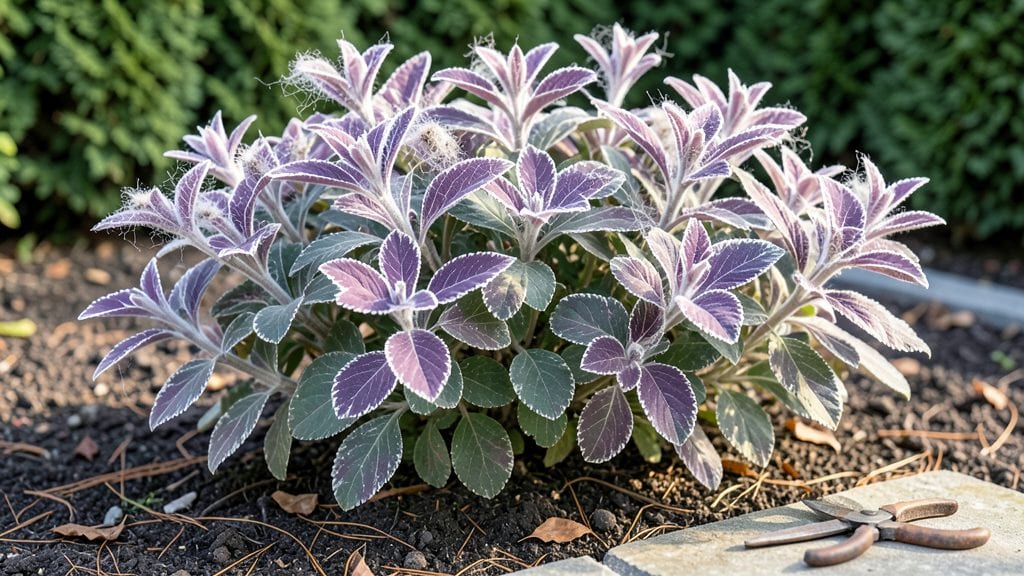
Growing a smoke tree white cultivar means waking up to clouds of delicate white flowers that perfume the air—if you nail the cold stratification trick.
I’ve learned the hard way that skipping this step means waiting years for blooms, but with the right timing and patience, you’ll see those fragrant plumes in just 90 days after planting.
The secret starts with soil that drains like a dream and a spot where morning sun warms the branches but afternoon shade keeps leaves from scorching.
My smoke tree thrives in part sun, and once established, it barely asks for water—just enough to keep the roots happy without turning the soil into swamp. Pruning after blooms gives it that airy, smoke-like shape, and a little winter mulch keeps it tough through freezing temps.
📚 In This Guide
- What you need
- Instructions
- Tips and common mistakes
- Wrapping up and next steps
What you need
- ● Seeds: 5–10 Smoke Tree White seeds (ensure they’re fresh or cold-stratified if not pre-treated).
- ● Cold Stratification Kit: 1 small plastic bag (resealable, ~1-gallon size)
- ● 1 cup peat moss or perlite (moistened)
- ● 1 roll breathable tape (to seal the bag)
- ● Growing Containers: 2–3 4-inch nursery pots (for seedlings)
- ● 1 1-gallon pot (for transplanting after stratification)
- ● Potting Mix: 1 bag well-draining cactus/succulent mix (or 50% potting soil + 50% perlite).
- ● Tools: 1 pair sterilized pruning shears (for seed extraction)
- ● 1 spray bottle (for misting)
- ● 1 thermometer (to monitor cold stratification temps, 35–45°F)
- ● Growth Boosters: 1 bottle rooting hormone (for faster germination)
- ● 1 humidity dome (to retain moisture)
- ● Outdoor Prep: 1 garden trowel (for planting in the ground)
- ● 1 mulch (2–3 inches of shredded bark or pine needles)
- ● Monitoring: 1 moisture meter (to check soil hydration).
Step-by-step instructions for growing smoke tree white from seed
Cold stratification is the secret to breaking dormancy—here's how to unlock those fragrant spring blooms reliably.
Collect and Prepare Seeds for Stratification
Harvest smoke tree seeds in late fall when the seed pods turn brown and papery. Remove the seeds from the pods and let them dry in a paper bag for 3-4 days at room temperature. This drying step prevents mold during stratification. Once dry, place the seeds in a sealed plastic bag with damp but not soggy peat moss or coconut coir—just enough moisture to feel like a wrung-out sponge.
Store the bag in your refrigerator's crisper drawer, where temperatures stay consistently between 35-40°F. Check the seeds after 60 days—if they haven't sprouted, give them another 30 days of cold treatment. You'll know stratification worked when tiny roots appear or the seed coat cracks slightly. This cold period mimics winter conditions and signals the seed it's safe to grow.
Plant Stratified Seeds in Containers
Fill 4-inch diameter pots with a mix of 50% potting soil and 50% perlite to ensure excellent drainage. Smoke trees hate soggy roots, so this blend prevents rot while keeping moisture consistent. Plant 2-3 seeds per pot at a depth of ¼ inch, just below the surface. Gently press the soil around them to make contact without compacting.
Place the pots in a warm, bright location with temperatures around 65-70°F. A seedling heat mat set to 70°F can speed up germination if your home runs cooler. Keep the soil lightly moist—water when the top ½ inch feels dry to the touch. You should see first sprouts in 2-4 weeks, though some seeds may take up to 6 weeks to break dormancy completely.
Provide Light and Care for Seedlings
Once the seedlings emerge, move them to a south-facing window or under grow lights for 12-14 hours of light daily. Smoke trees grow slowly, so leggy stems mean they're stretching for light. If you notice stems reaching 3 inches tall before developing true leaves, raise the grow lights to 2-3 inches above the seedlings or rotate the pots daily to encourage even growth.
Fertilize lightly with a balanced 10-10-10 liquid fertilizer diluted to half strength when the seedlings have 2-3 sets of true leaves. Water at the base rather than overhead to prevent fungal diseases. You'll know they're thriving when new leaves appear every 2-3 weeks—this steady growth means they're ready for their next phase.
Harden Off and Transplant Outdoors
After 8-10 weeks of indoor growth, when seedlings are 4-6 inches tall, begin hardening them off. Place the pots outside in a sheltered, shaded spot for 1-2 hours the first day, gradually increasing to full sun exposure over 7-10 days. Watch for wilting or yellowing leaves—if you see these signs, extend the acclimation period by a few days.
Transplant the seedlings outdoors in early spring, after the last frost date, when soil temperatures reach 55°F. Space them 6-8 feet apart in well-draining soil amended with compost. The first year focuses on root establishment—you won’t see blooms yet, but the foundation for next spring’s fragrant display is being built now.
Tips & tricks for perfect smoke tree white growth
These practical tips will help you navigate the nuances of growing smoke tree white from seed, ensuring you maximize your chances of success with this fragrant beauty.
Stratification Success: The 60-day cold treatment is non-negotiable for smoke tree seeds. If you're impatient and check too early, you might miss the subtle signs of root development. I recommend marking your calendar with the exact start date—this helps track the full 60 days plus the optional 30-day extension. Place a small piece of tape on the bag with the date to avoid confusion. The refrigerator's crisper drawer maintains the ideal 35-40°F range consistently, which is crucial for mimicking winter conditions.
Moisture Management: When preparing the damp peat moss or coconut coir, squeeze it firmly to remove excess water—it should feel like a wrung-out sponge, not a dripping wet rag. Overly wet conditions can lead to mold, which will ruin your seeds before they even have a chance to sprout. I've found that using a spray bottle to mist the peat moss before sealing the bag helps maintain consistent moisture without oversaturating it. Check the moisture level every 2-3 weeks during stratification by gently squeezing a small amount—it should feel evenly damp but not clingy.
Lighting Strategy: Once your seedlings emerge, don't underestimate the importance of proper lighting. Smoke trees grow slowly, so leggy stems indicate they're stretching for light. If you notice stems reaching 3 inches before developing true leaves, it's time to act. Raise grow lights to just 2-3 inches above the seedlings or rotate the pots daily. I've had success using a simple LED grow light on a timer for 12-14 hours daily—this mimics natural daylight cycles and prevents the seedlings from becoming etiolated (weak and stretched).
Fertilization Timing: Wait until your seedlings have 2-3 sets of true leaves before introducing fertilizer. This ensures they have enough energy to establish strong roots first. When you do fertilize, use a balanced 10-10-10 liquid fertilizer diluted to half strength. I've found that applying fertilizer in the morning allows the seedlings to absorb nutrients throughout the day, rather than sitting in damp soil overnight. Monitor your seedlings closely after fertilizing—yellowing leaves can indicate over-fertilization, while slow growth might mean they need more nutrients.
Pro Tips for Smoke Tree White
- These practical tips will help you navigate the nuances of growing smoke tree white from seed, ensuring you maximize your chances of success with this fragrant beauty.
- Stratification Success: The 60-day cold treatment is non-negotiable for smoke tree seeds.
- Moisture Management: When preparing the damp peat moss or coconut coir, squeeze it firmly to remove excess water—it should feel like a wrung-out sponge, not a dripping wet rag.
Frequently asked questions
What is cold stratification, and why is it essential for Smoke Tree White seeds?
Cold stratification mimics winter conditions to break seed dormancy. For Smoke Tree White, this 60-90 day chilling period (at 33–41°F) tricks seeds into thinking they’ve survived a natural winter, triggering germination. Skipping it often results in slow or no sprouting—so don’t rush this step!
How long does it take for Smoke Tree White to bloom after planting?
Patience is key! With proper cold stratification, seedlings may show early growth in 3–6 weeks, but first blooms typically appear in 2–3 years. Established trees (3+ years old) reward you with stunning white plumes in late spring. Prune lightly in late winter to encourage vibrant new growth and flowers.
Can I grow Smoke Tree White in containers, or is it only for gardens?
Smoke Tree White thrives in 5-gallon+ containers with well-draining soil and full sun. Just ensure the pot has drainage holes and repot every 2–3 years. Pro tip: Use a mix of potting soil and perlite to prevent root rot. Containers let you move the tree to optimal sunlight or protect it from harsh winters if needed.
What pests or diseases should I watch for with Smoke Tree White?
These trees are generally low-maintenance, but keep an eye out for aphids, spider mites (especially in dry heat), and powdery mildew in humid climates. Treat pests with neem oil or insecticidal soap. For mildew, improve airflow and avoid overhead watering. Healthy soil and spacing reduce risks!
Is Smoke Tree White deer-resistant? Will it survive in my area?
While Smoke Tree White is moderately deer-resistant (thanks to its fuzzy foliage), hungry deer may nibble young shoots. For cold hardiness, it zones 4–8—ideal for most U.S. regions. In colder zones, mulch heavily and water deeply before winter. Pro tip: Plant near deer-resistant companions like lavender or boxwood for extra protection.
Wrapping up and next steps
Growing Smoke Tree White is a rewarding journey that brings fragrant spring blooms and striking foliage to your garden in just 90 days—and you’ve got the blueprint! 🌸 With cold stratification as your secret weapon, you’re setting these beauties up for success from day one.
Whether you’re a seasoned gardener or a curious beginner, the key is patience, precision, and a little love.
Ready to transform your outdoor space? Start with your seeds today—follow the steps, track progress, and soon you’ll be enjoying the delicate, white plumes and silvery leaves that make this tree a standout. Happy planting! 🌱