
Trees
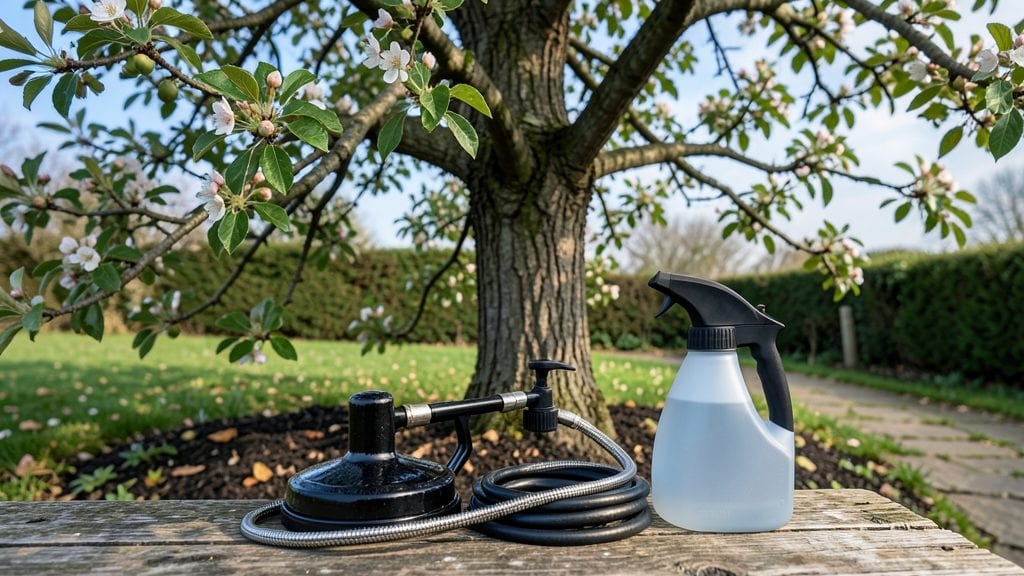
Choosing the right sprayer for trees can mean the difference between a healthy canopy and one struggling with pests or disease. 🌿 I’ve tested everything from backpack sprayers to hose-end attachments, and the best choice depends on your tree’s size, the problem you’re tackling, and how much effort you’re willing to put in.
Backpack sprayers are my go-to for large trees—they hold enough solution to cover a mature oak without refilling every five minutes. Hose-end sprayers are perfect for quick treatments on smaller trees or shrubs, while mist blowers excel at reaching high branches with minimal effort.
Each has trade-offs, though: backpacks require more physical work, hose-end sprayers struggle with heavy solutions, and mist blowers can drift if you’re not careful.
With the right sprayer, you’ll see fewer holes in leaves, fewer fungal spots, and healthier growth within weeks. The key is matching the tool to the job—whether you’re applying fungicide, insecticide, or even foliar fertilizer.
I’ll walk you through the pros and cons of each type so you can pick the one that fits your needs without wasting money or effort.
We’ll also cover safety tips to protect yourself, your plants, and the environment—because a sprayer is only as good as the way you use it. Let’s get started with the right tool for your trees.
📚 In This Guide
- What you need
- Instructions
- Tips and common mistakes
- Wrapping up and next steps
What you need
- ● Tree Sprayer (Backpack or Handheld): Capacity: 2–5 gallons (backpack) or 1–2 gallons (handheld)
- ● Pressure: 20–40 PSI (adjustable for fine mist or stream)
- ● Material: BPA-free plastic (durable and chemical-resistant)
- ● Pesticide/Fungicide: Choose a tree-safe product (e.g., neem oil, copper fungicide, or systemic insecticide). Check the label for tree species compatibility.
- ● Protective Gear: Nitrile gloves (chemical-resistant)
- ● Long sleeves/pants (to avoid skin contact)
- ● Safety goggles (for eye protection)
- ● Ladder or Extension Pole: For reaching tall branches (ensure it’s stable and rated for your height).
- ● Measuring Cup or Spray Bottle: For diluting concentrated solutions (if required).
- ● Water Source: Hose with a connector for backpack sprayers or a 5-gallon bucket for handheld models.
- ● Sprayer Nozzle Attachments: For targeted spraying (e.g., cone nozzle for trunk, flat fan for foliage).
- ● Spray Shield: Protects you from overspray when treating low-hanging branches.
- ● Weatherproof Cover: For storing your sprayer between uses (extends its lifespan!).
- ● Tree Health Kit: pH test strips (to check soil health)
- ● Pruning shears (for removing infected branches)
Instructions for using tree sprayers effectively
Here’s how to apply tree sprays like a pro—minimizing waste while maximizing coverage.
💧 Step 1: Choose the Right Sprayer for Your Tree Type
For small to medium trees, a hose-end sprayer (like the 2-gallon model) works best—it attaches directly to your water source and covers broad areas without clogging. Larger trees need a backpack sprayer (like the 4-gallon model) for extended reach and capacity. Always check the nozzle type: a cone nozzle (like the 8004 flat-fan) spreads evenly, while a stream nozzle (like the 6506) targets specific branches.
I avoid pressure sprayers for delicate trees—they can damage bark. Instead, adjust your sprayer’s pressure setting to 20-30 PSI to ensure fine misting without stripping leaves. Test the spray pattern on a scrap piece of cardboard first to confirm even distribution.
☀️ Step 2: Apply Sprays at the Right Time of Day
Spray early morning or late afternoon when temperatures are below 85°F—heat causes sprays to evaporate before they take effect. Avoid windy days; gusts can blow spray off-target or onto unintended plants. I like to start at 6 AM when dew is still on the leaves—this helps the spray adhere better and reduces runoff.
If treating for pests, apply when they’re most active: aphids and mites in the morning, borers at dusk. For diseases like powdery mildew, spray before symptoms appear—once leaves show white spots, the fungus has already taken hold.
🌿 Step 3: Cover the Tree Thoroughly Without Wasting Spray
Start at the top of the tree and work downward, overlapping each pass by 12-18 inches to avoid missed spots. Use a ladder or extension pole (like the 6-foot model) to reach high branches safely. For dense canopies, I split the application into two directions—north to south first, then east to west—to ensure even coverage.
Focus on the undersides of leaves where pests and fungal spores hide. If treating for bark diseases, spray the trunk and major branches too. Don’t forget the soil around the base—some pests (like nematodes) live there and can reinfest the tree.
⏰ Step 4: Reapply According to the Label and Pest Cycle
Most tree sprays require 7-14 days between applications—check the product label for exact intervals. For persistent pests like scale, I apply every 5-7 days for three weeks to break their life cycle. If treating for fungal diseases, repeat every 10-14 days until new growth appears.
Keep a spray schedule log (I use a small notebook by my tool shed) to track dates and conditions. Note whether rain occurred within 24 hours—if it did, you’ll need to reapply. Consistency is key; missing a spray cycle lets pests and diseases regain the upper hand.
✂️ Step 5: Clean and Store Sprayers Properly
Rinse the sprayer immediately after use with a 50/50 water-vinegar mix to prevent clogging from dried residue. For stubborn buildup, soak parts in warm, soapy water for 10 minutes, then scrub with a bottle brush. Never leave sprays or cleaning solutions in the tank overnight—they can degrade rubber seals and plastic components.
Store sprayers in a shaded, dry place (like a garage or shed) with the nozzle facing downward to prevent water pooling. I hang mine on hooks to keep them off the ground and away from extreme temperatures. Before the next season, inspect O-rings and hoses for cracks—replace them if you see wear.
Tips & tricks for perfect tree sprayer application
A few key tricks will help you get the most out of your tree sprayer applications—saving time, reducing waste, and protecting your trees more effectively.
Equipment Prep: Before you even start spraying, take 5 minutes to check your sprayer’s nozzle and filter. Clogged nozzles waste spray and create uneven patterns. I keep a small brush on hand to clear any debris from the nozzle screen—this ensures a consistent 20-30 PSI pressure throughout your entire application. Test your spray pattern on cardboard first, especially if you’re using a new nozzle type. The 8004 flat-fan should create a smooth, even pattern about 12 inches wide at the recommended distance.
Timing Secret: The 6 AM start time I recommend isn't just about dew—it's about humidity. Early morning air holds more moisture, which helps the spray stick to leaves instead of evaporating instantly. If you must spray during the day, do it when temperatures are below 85°F and the sun isn't directly overhead. I've found that spraying between 4-6 PM gives nearly as good results as morning applications, especially for fungal treatments.
Application Strategy: When working with dense canopies in Step 3, I use the "two-pass method" to guarantee coverage. First, spray from north to south, then turn and do east to west. This ensures you don't miss any branches when your arm gets tired. For tall trees, I mark my ladder at 6-foot intervals so I can consistently check my height and maintain proper spray distance. Remember to focus on undersides of leaves—this is where 90% of fungal spores and many pests hide.
Maintenance Matters: The 10-minute soak in warm, soapy water after each use is non-negotiable. I've ruined sprayers by leaving chemical residues overnight, which corrodes metal parts and degrades rubber seals. For stubborn buildup, I add a few drops of dish soap to the water. Always store your sprayer with the nozzle facing downward to prevent water pooling that can damage internal components. Before next season, I do a final inspection of all O-rings and hoses—replacing them prevents leaks during critical applications.
Pro Tips for Sprayers For Trees
- A few key tricks will help you get the most out of your tree sprayer applications—saving time, reducing waste, and protecting your trees more effectively.
- Equipment Prep: Before you even start spraying, take 5 minutes to check your sprayer’s nozzle and filter.
- Timing Secret: The 6 AM start time I recommend isn't just about dew—it's about humidity.
Frequently asked questions
Got questions about keeping your trees healthy with sprayers? You’re not alone! Here are some of the most common concerns—and clear answers to help you spray smarter.
What’s the best time of day to spray trees?
Early morning (before 9 AM) or late afternoon (after 4 PM) are ideal. This avoids strong sunlight, which can dry out the spray too quickly, and reduces evaporation. Just make sure there’s no wind—you want that treatment to stick!
Can I use a regular garden sprayer for trees, or do I need something special?
While a basic sprayer works for small trees or shrubs, larger trees often need a hose-end sprayer or backpack sprayer for better reach and pressure. For heavy-duty jobs (like disease prevention), consider an air-blast sprayer—it’s designed to penetrate thick foliage evenly.
How often should I spray my trees for pests or diseases?
Frequency depends on your tree’s needs! For preventive care, spray every 2–4 weeks during peak pest seasons (spring/summer). If you’re treating an active infestation or disease, follow the product’s instructions—usually 1–2 times per week until the issue resolves.
Why is my sprayer clogging or not covering the leaves well?
Clogging often happens with thick solutions or debris in the nozzle. Try these fixes:
- Clean the nozzle with vinegar or a fine brush.
- Strain your mixture through a mesh filter.
- Use distilled water if tap water has minerals.
- Check the pressure—too high can cause misting instead of coverage.
Are there eco-friendly sprayer options for organic tree care?
Look for copper-based fungicides (like Bordeaux mixture) or neem oil sprayers—both are organic and effective. For sprayers, choose reusable, stainless-steel models or biodegradable spray bottles to minimize waste. Always opt for low-toxicity solutions when possible!
Wrapping up and next steps
Choosing the right sprayers for trees is your first line of defense against pests and disease—keeping your greenery thriving with minimal hassle! 🌿 Whether you opt for a manual sprayer, backpack model, or hose-end attachment, consistency is key.
Start small, test your setup, and soon you’ll be a pro at protecting your trees like a seasoned arborist.
Ready to take action? Grab your sprayer today and give your trees the care they deserve—your future forest starts with one spray at a time! 🌱