
Fertilization
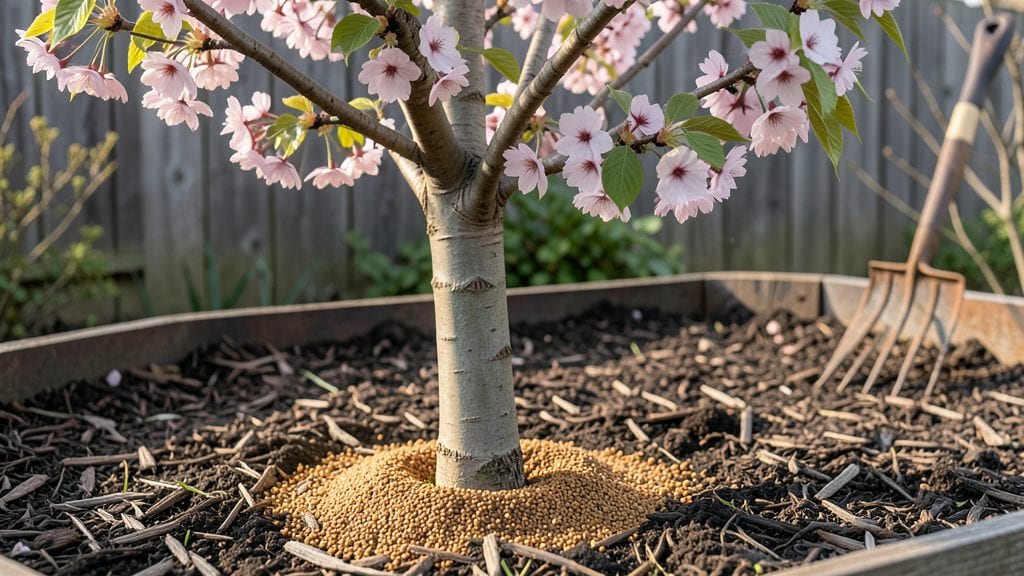
Spring tree fertilization isn’t just about throwing down fertilizer—it’s about giving your trees the right nutrients at the right time to fuel that first burst of new leaves and flowers. 🌿 I’ve learned the hard way that timing matters more than quantity, especially when you’re dealing with different tree types and climates.
A well-fed tree doesn’t just look green; it grows stronger roots, resists pests better, and produces fruit or flowers more reliably.
The key is starting early, before buds even swell, when trees are hungry but not yet stressed by heat. You’ll need a balanced fertilizer—something with nitrogen for leaf growth, phosphorus for roots, and potassium for overall health—but the type depends on your soil and the tree.
Organic options like compost or slow-release granules work well for most, while fruit trees might need a boost of micronutrients. And here’s the thing: less is often more. Overdoing it can burn roots or attract pests, so we’re aiming for a gentle, steady feed.
By the end of spring, you’ll see the difference in your trees’ vigor—thicker foliage, fewer yellow leaves, and maybe even extra blooms or fruit set. The best part? This isn’t a one-time job.
A little maintenance now means your trees will reward you for years, with less work down the line. Let’s get those roots growing strong.
Whether you’re in a humid Southeast or a dry Southwest, we’ll adjust for your climate. And don’t worry—this works for shade trees, fruit trees, and even young saplings. Just grab your gloves and let’s make this season count.
📚 In This Guide
- What you need
- Instructions
- Tips and common mistakes
- Wrapping up and next steps
What you need
- ● Slow-release fertilizer: Choose a balanced, organic option (e.g., 10-10-10 or 12-12-12 NPK ratio). Quantity: ~1 lb per inch of tree trunk diameter (e.g., 5 lbs for a 5-inch trunk).
- ● Compost or organic matter: Aged compost, leaf mold, or well-rotted manure (5–10 gallons per tree).
- ○ Soil test kit: (Optional but recommended) To check pH and nutrient levels before fertilizing.
- ● Watering can or hose: With a gentle spray nozzle for even moisture distribution.
- ● Garden fork or tiller: For aerating soil (if compacted).
- ● Gloves & knee pads: Because nobody enjoys a thorny surprise! 😉
- ● Micronutrient booster: Epsom salt (for magnesium) or liquid seaweed extract (1 tbsp per gallon of water).
- ● Mulch (wood chips or straw): 2–4 inches thick to retain moisture and regulate soil temp.
- ● Tree banding tool: For precision fertilizer application around the root zone.
- ● pH adjuster: Lime (to raise pH) or sulfur (to lower pH) if soil test results require it.
Step-by-Step instructions for spring tree fertilization
Here's how to feed your trees the right way for vibrant growth this season.
🌱 Step 1: Test Soil and Determine Tree Needs
Before applying any fertilizer, grab the soil test kit and take samples from 4-6 inches deep around the tree's drip line—the outer edge of the canopy. This is where roots actively absorb nutrients. I like to test in 3-4 spots around the tree for accuracy, mixing the samples together for one composite reading.
Most trees need nitrogen (N) for leafy growth, phosphorus (P) for root development, and potassium (K) for overall health. If your soil test shows deficiencies, note the specific numbers—this tells you exactly what to balance. For example, a reading of 3-5-2 means you need more nitrogen and potassium. Don't guess; the test results are your roadmap.
💧 Step 2: Apply Slow-Release Granular Fertilizer
Spread the 10-10-10 granular fertilizer evenly in a 3-inch wide band around the tree's drip line, about 6 inches from the trunk. I use a spreaders to ensure even coverage—uneven application can lead to scorched roots or weak growth. For a medium-sized tree, use about 1 pound of fertilizer per inch of trunk diameter.
Water the area deeply after applying to help the granules dissolve and reach the roots. You'll see the soil darken slightly as the fertilizer activates. This step is critical—skipping the watering can leave fertilizer sitting on the surface, burning tender roots. If your soil is very dry, water again in 3-4 days to encourage nutrient absorption.
☀️ Step 3: Top-Dress with Organic Mulch
Spread the 3 cubic feet of wood chips in a 3-inch thick layer over the fertilized area, keeping it 6 inches away from the trunk to prevent rot. Mulch helps retain moisture, regulates soil temperature, and slowly releases nutrients as it breaks down. I like to use double-shredded wood chips because they decompose more evenly and won't mat together.
Use a rake to fluff the mulch slightly so it doesn't compact into a dense layer. This allows air and water to penetrate while keeping weeds at bay. Over time, the mulch will blend into the soil, adding organic matter and improving texture. Avoid piling mulch against the trunk—this creates a moist environment that invites pests and disease.
⏰ Step 4: Water Deeply and Monitor Growth
After fertilizing, water the tree deeply—aim for 1-2 inches of water per week, including rainfall. Use a soaker hose or drip irrigation to deliver water slowly to the root zone. You'll know you've watered enough when the soil feels moist 6 inches down. Overwatering can suffocate roots, while underwatering stresses the tree and reduces nutrient uptake.
Watch for new growth in 4-6 weeks. Healthy trees will show darker green leaves, stronger branches, and faster canopy expansion. If you notice yellowing leaves, it could mean too much nitrogen—cut back on future applications. Conversely, slow growth or brown tips might signal a need for more phosphorus or potassium. Adjust next year's fertilization based on what you observe.
Tips & tricks for perfect spring tree fertilization
A few simple tricks will help you maximize your tree's nutrient uptake and avoid common pitfalls that can stunt growth.
Soil Testing Strategy: In Step 1, when taking your soil samples, avoid testing areas where you've recently applied fertilizer or compost—these spots can give skewed results. Focus on the drip line where roots are most active. I also recommend testing in both sunny and shady areas of the tree's canopy, as nutrient needs can vary. This extra step ensures you get an accurate reading to create your fertilization plan.
Precision Application: For Step 2, measure your tree's trunk diameter at chest height to determine the exact amount of 10-10-10 granular fertilizer needed. Divide the diameter in inches by 2 to get the pounds needed—this prevents over- or under-fertilizing. For example, a 4-inch diameter tree needs about 2 pounds. Using a spreader with adjustable settings helps maintain that 3-inch wide band around the drip line for even distribution.
Mulch Layering Technique: When applying the 3 cubic feet of wood chips in Step 3, work in sections to maintain that 3-inch thickness. Start from the trunk outward to create a smooth, even layer. I find using a rake to lightly fluff the mulch after spreading prevents compaction and allows better water penetration. This technique also helps prevent that "mulch volcano" effect near the trunk that can cause rot.
Watering Wisdom: The deep watering in Step 4 is crucial—aim for water to penetrate 6 inches down to reach the root zone. A simple test is to use a screwdriver to check moisture levels after watering. If it goes in easily, you've watered enough. For established trees, I recommend watering twice weekly during dry spring periods to maintain that 1-2 inches per week target, especially if rainfall is inconsistent.
Pro Tips for Spring Tree Fertilization
- A few simple tricks will help you maximize your tree's nutrient uptake and avoid common pitfalls that can stunt growth.
- Soil Testing Strategy: In Step 1, when taking your soil samples, avoid testing areas where you've recently applied fertilizer or compost—these spots can give skewed results.
- Precision Application: For Step 2, measure your tree's trunk diameter at chest height to determine the exact amount of 10-10-10 granular fertilizer needed.
Frequently asked questions
Got questions about spring tree fertilization?
You’re not alone! Here are answers to the most common concerns to help you grow a thriving canopy with confidence.
When is the best time to fertilize trees in spring?
The ideal window is early spring (March–April), right after the soil thaws but before new leaves burst. This jumpstarts root growth. Avoid fertilizing late spring—it can stress trees as they prepare for summer heat. For young trees, a light application in late fall (if your climate allows) can also help.
Is organic or synthetic fertilizer better for trees?
Both work, but organic fertilizers (like compost or manure) release nutrients slowly, improving soil health long-term. Synthetic fertilizers provide quick, concentrated results but may require more frequent applications. For best results, layer them: Use synthetic in early spring for a nutrient boost, then switch to organic later to feed the soil.
What if my tree’s leaves turn yellow after fertilizing?
Yellowing leaves often signal over-fertilization or poor watering. Flush the soil with water to dilute excess nutrients, and hold off on fertilizing for 4–6 weeks. Ensure your tree gets 1–1.5 inches of water per week—deep watering encourages roots to absorb nutrients properly. If the problem persists, test your soil’s pH (ideal: 6.0–7.0 for most trees).
Can I fertilize newly planted trees the same way?
Newly planted trees (under 2 years old) are sensitive—skip fertilizer for the first year unless the soil is extremely poor. Instead, focus on watering deeply and mulching (2–4 inches of organic mulch, kept away from the trunk). Once established, use a low-nitrogen, high-phosphorus fertilizer (like 5-10-5) to encourage root growth.
Does weather affect when I should fertilize?
Avoid fertilizing during droughts, heavy rains, or extreme heat (above 90°F). Nutrients can leach away in rain or burn roots in scorching temps. If frost is forecast within 2 weeks, delay fertilization until after the last frost date. Pro tip: Check your local USDA Plant Hardiness Zone for tailored timing.
Wrapping up and next steps
Spring tree fertilization is your secret weapon for nurturing a thriving, vibrant canopy—and the effort is well worth it! 🌿 By layering nutrients like organic matter, slow-release fertilizers, and micronutrients, you’re giving your trees the perfect spring boost to grow stronger, healthier, and more resilient. Now’s the time to act!
Ready to see your trees flourish? Grab your gloves, pick your preferred fertilizer, and schedule your first application this week. Watch as your yard transforms into a lush, green oasis—one nutrient-rich layer at a time! 🌱