
Size
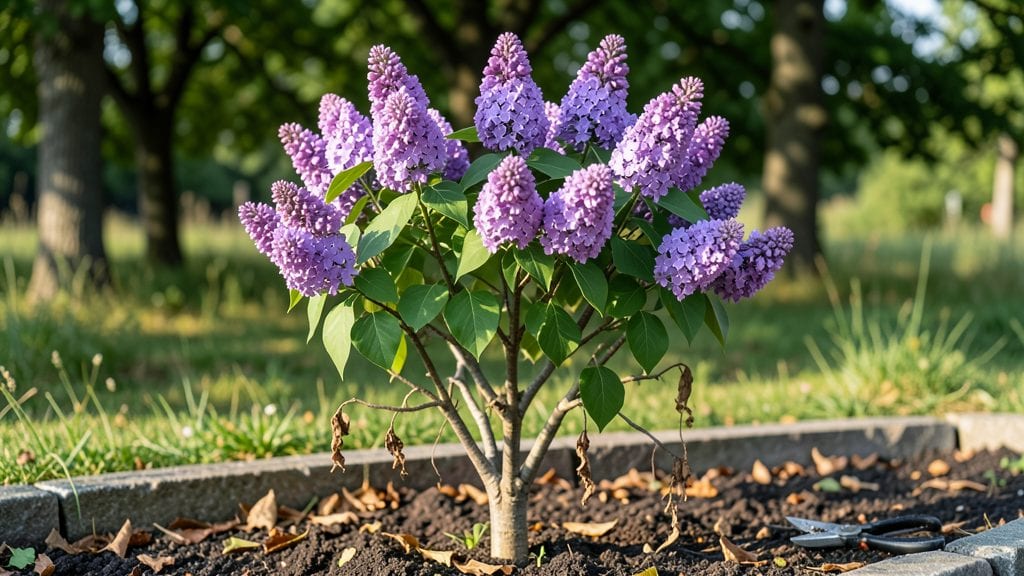
A tall lilac tree can transform your yard into a fragrant sanctuary with minimal effort. 🌿 I planted mine near the driveway, and now it’s the first thing visitors notice—its towering purple blooms in spring and glossy foliage all year round.
The scent alone makes it worth the space, but the way it frames my garden entrance? Game-changer.
These trees thrive in full sun and well-drained soil, making them perfect for borders, privacy screens, or as a dramatic focal point. Mine stands 12-15 feet tall, so I positioned it where it won’t block sunlight from smaller plants.
Pair it with lavender or roses for a layered, textured look that’s easy to maintain.
You’ll love how it stays lush even when not in bloom—dark green leaves add structure to any season. The fragrance lingers for weeks, and deer tend to avoid it, so it’s a low-stress choice. Just a light pruning after flowering keeps it tidy without sacrificing blooms.
Works beautifully in cottage gardens, modern landscapes, or as a standalone statement. Here’s how to place yours for maximum impact—without the fuss of high-maintenance plants.
📚 In This Guide
- What you need
- Instructions
- Tips and common mistakes
- Wrapping up and next steps
What you need
- ● Lilac tree (Syringa spp.): Choose a mature variety (e.g., Syringa vulgaris) or a young, healthy sapling from a nursery. Opt for a 5-7 ft tall specimen for quick height impact.
- ● Quality potting soil or garden loam: 50 lbs (for in-ground planting) or a 15-gallon bag (for container growing). Ensure it’s well-draining and amended with compost.
- ● Organic mulch (e.g., wood chips or shredded bark): 2-3 cubic feet to retain moisture and suppress weeds.
- ● Slow-release fertilizer (10-10-10 or 5-10-10 NPK): 1 lb per tree to promote healthy growth.
- ● Shovel or trowel: For digging holes (hole diameter should be 2-3x the root ball).
- ● Pruning shears or loppers: Bypass pruners (for clean cuts) and loppers (for thicker branches).
- ● Garden gloves: Heavy-duty to protect against thorns.
- ● Watering can or hose with nozzle: 5+ gallons of water for initial planting.
- ● Measuring tape: To ensure proper spacing (keep lilacs 10-15 ft apart for mature size).
- ● Tree stake and ties: For young trees in windy areas.
- ● Drip irrigation system: Automates watering for low-maintenance care.
- ● Epsom salt (magnesium sulfate): 1 tbsp per gallon of water for flowering boosts (apply in early spring).
- ● Pest control (neem oil or horticultural oil): Preemptive treatment for aphids or borers.
How to plant and maintain a fragrant tall lilac tree
Here’s the straightforward approach I use to grow a towering, fragrant lilac that thrives with minimal fuss.
🌱 Step 1: Choose the Right Location and Planting Time
Lilacs demand full sun—at least 6 hours daily—for their signature blooms and fragrance. I always plant mine in late fall or early spring when soil temperatures are cool but workable, giving roots time to establish before summer heat. Avoid planting in summer heat, which stresses young trees.
Dig a hole twice as wide as the root ball but no deeper. The top of the root ball should sit 1 inch above ground level—this prevents waterlogging. Mix the removed soil with 1 part compost to enrich the planting site. Lilacs prefer well-drained soil with a pH of 6.0–7.0; amend clay soil with sand if needed.
🪴 Step 2: Plant and Stake for Stability
Gently remove the tree from its container and loosen any circling roots with your fingers. Place it in the hole, ensuring the root flare (where roots meet the trunk) is visible. Backfill with the amended soil, tamping lightly every 6 inches to remove air pockets. Water deeply to settle the soil.
Stake the tree only if necessary—lilacs grow tall but aren’t typically wind-sensitive. If your site is exposed, use two stakes on opposite sides, securing the trunk with a soft tree tie (never wire, which can girdle the bark). Mulch the base with 2–3 inches of organic mulch, keeping it 6 inches away from the trunk to prevent rot.
☀️ Step 4: Water and Fertilize for First-Year Growth
Water deeply once a week during the first growing season, providing 1–2 gallons per watering. Lilacs are drought-tolerant once established, but young trees need consistent moisture. Check soil moisture by digging 2 inches down—if it’s dry, water again. Avoid overhead watering to prevent fungal diseases like powdery mildew.
Skip fertilizer the first year unless soil tests reveal deficiencies. In early spring of the second year, apply a balanced 10-10-10 fertilizer at ½ the recommended rate to encourage blooms. Over-fertilizing leads to leafy growth at the expense of flowers—lilacs bloom on old wood, so less is more.
✂️ Step 5: Prune for Shape and Health
Prune lilacs right after flowering (late spring) to shape the tree and remove dead or crossing branches. Use clean, sharp pruners to make cuts just above a bud or branch collar. Never prune more than ⅓ of the tree’s canopy in one season—lilacs bloom on second-year wood, so aggressive cuts reduce next year’s flowers.
Thin out crowded branches to improve airflow, which prevents fungal issues. If your lilac grows too wide, prune selective branches back to the trunk rather than shearing. This encourages a taller, more elegant form while maintaining that intoxicating fragrance.
⏰ Step 6: Winter Care for Long-Term Beauty
Lilacs are hardy but benefit from light winter protection in colder climates. Wrap the trunk with tree wrap to prevent sunscald, and mulch 3–4 inches deep around the base (but not against the trunk). Avoid heavy mulch in mild winters, as it can suffocate roots.
Prune out any damaged branches in early spring before new growth begins. Lilacs reward patience—5–10 years after planting, they’ll burst into spectacular, fragrant blooms that last for weeks. The key is minimal intervention and letting nature do the work.
Tips & tricks for perfect tall lilac tree growth
A few key insights that'll help your lilac thrive and reward you with years of fragrant beauty.
Location is Everything: That 6 hours of full sun daily is non-negotiable for those signature blooms. If your yard gets afternoon shade, consider planting against a south-facing wall where it can catch reflected sunlight. I've seen lilacs in partial shade still bloom, but the flowers will be sparse and less fragrant. Trust me on this—position matters more than you'd think for that intoxicating scent.
Root Ball Positioning: When planting, make sure the root flare (where roots meet the trunk) is clearly visible above the soil line. I've seen gardeners bury this junction too deep, which can lead to poor air circulation and even root rot. That 1 inch above ground level recommendation isn't just a suggestion—it's crucial for long-term health. Use a small stake to mark the flare level before planting if needed.
Pruning Precision: The ⅓ canopy rule in Step 5 is your friend, but here's what nobody tells you—always prune just above a bud or branch collar. I used to make clean cuts anywhere, but now I look for that little bump where the branch meets the trunk. This encourages stronger regrowth and prevents those unsightly stubs. And never, ever prune in late summer—you'll cut off next year's flower buds.
Winter Protection Wisdom: That 3-4 inch mulch depth recommendation is perfect for most climates, but here's my trick: I always add an extra layer of straw mulch in the northernmost regions of my yard where cold air settles. This creates an insulating blanket that protects roots from extreme temperature swings. Just remember to keep it 6 inches away from the trunk—piling mulch against the bark can cause rot.
Pro Tips for Tall Lilac Tree
- A few key insights that'll help your lilac thrive and reward you with years of fragrant beauty.
- Location is Everything: That 6 hours of full sun daily is non-negotiable for those signature blooms.
- Root Ball Positioning: When planting, make sure the root flare (where roots meet the trunk) is clearly visible above the soil line.
Frequently asked questions
Got questions about growing and caring for your tall lilac tree? You’re not alone! Here are some of the most common inquiries—plus expert answers to keep your fragrant beauty thriving year after year.
How tall can a lilac tree grow?
A mature lilac tree typically reaches 10 to 15 feet tall, though some varieties (like the Miss Kim cultivar) stay compact at 3–6 feet. If space is limited, prune annually to control height—just avoid cutting into old wood, or you’ll sacrifice blooms. Pro tip: Plant near a fence or wall to maximize vertical space without sacrificing garden real estate!
When is the best time to plant a tall lilac tree?
Fall (4–6 weeks before your first frost) is ideal for planting lilacs, as cooler temps help roots establish before winter. Spring planting works too, but avoid extreme heat—water deeply 2–3 times weekly until roots settle in. Skip summer unless you’re in a mild climate; heat stress can stunt growth. Timing tip: Bare-root lilacs (sold dormant) can be planted in early spring or fall.
Do tall lilac trees need full sun?
Yes! Lilacs thrive in full sun (6+ hours daily), but they tolerate partial shade (4–6 hours). Too little light? Expect smaller blooms and leggy growth. For shady spots, choose dwarf varieties like ‘Bloomerang’, which handle lower light better. Watch for: Yellowing leaves = possible sunburn or nutrient deficiency.
How and when should I prune a tall lilac tree?
Prune right after flowering (late spring/early summer) to shape the tree and encourage next year’s blooms. Avoid heavy pruning in fall—it removes next season’s flower buds! Use clean, sharp shears to cut back 1/3 of the oldest stems to the base. Warning: Never prune into the “crown” (center of the tree)—this can kill the plant.
What pests or diseases should I watch for in tall lilac trees?
Lilacs are generally pest-resistant, but keep an eye out for:
- Aphids: Clustered on new growth (spray with water or insecticidal soap).
- Japanese beetles: Chew leaves—handpick or use neem oil.
- Powdery mildew: White fungus on leaves (improve airflow, avoid overhead watering).
For severe issues, consult a local nursery for organic treatments. Prevention tip: Mulch around the base to deter pests and retain moisture.
Can I grow a tall lilac tree in a container?
Possible, but challenging! Lilacs need deep roots and stable soil, so opt for a large pot (24"+ diameter) with drainage holes and well-draining soil. Dwarf varieties like ‘Dwarf Korean’ adapt better. Container hack: Move pots to a sunny spot in summer and sheltered area in winter to protect roots.
Wrapping up and next steps
There you have it—a tall lilac tree isn’t just a stunning addition to your landscape; it’s a low-maintenance powerhouse of beauty and fragrance that thrives year-round with minimal effort.
Whether you’re drawn to its elegant height, sweet blooms, or versatile uses, this tree is a dream for gardeners of all levels.
Ready to transform your outdoor space? Start by choosing the perfect variety, prepping your soil, and giving your lilac the love it deserves—your future self (and your neighbors!) will thank you. 🌿✨