
Planting
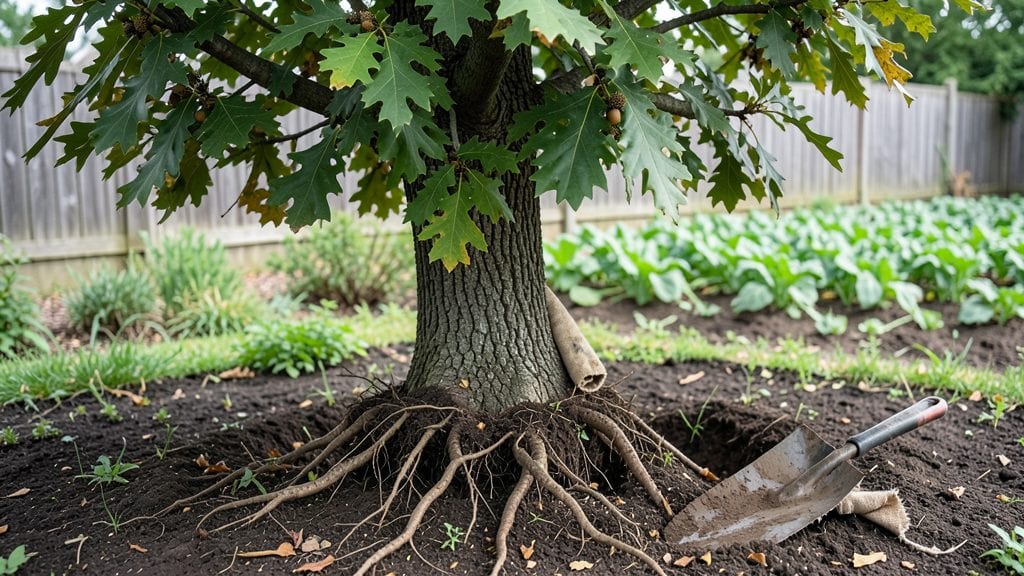
Transplanting a large tree successfully begins with the right timing and careful preparation to keep it thriving. I’ve transplanted oaks and maples over 20 feet tall, and the difference between success and failure comes down to understanding how roots behave—and when to act.
Most people wait until summer heat or winter freeze sets in, but the sweet spot is late fall or early spring, when roots are dormant but the tree isn’t stressed by extreme weather.
The tools you’ll need are simpler than you’d think: a sharp spade or trencher, burlap, twine, and a wheelbarrow for hauling soil. For trees over 10 feet, a ball-and-burlap method works best—it preserves the root structure better than bare-root approaches.
Dig a trench around the trunk first, then carefully lift the root ball while keeping it intact. Think of it like moving a sleeping giant: wake it up too soon, and you’ll shock the system.
After the move, the real work begins. Water deeply every 2–3 days for the first month, then taper off as roots establish. Mulch heavily (3–4 inches) to retain moisture and block weeds, but keep it 6 inches away from the trunk—piling it up can suffocate the base.
Within a year, you’ll see new shoots as a sign the tree has taken root. The key is patience; some trees show stress for months before rebounding.
Here’s where most people go wrong: rushing the process or skipping the root-pruning step. I’ve seen trees die from improper burlap wrapping or being transplanted in full sun during heatwaves.
The best moves happen on overcast days with cool temperatures. With the right prep, even century-old trees can survive—and thrive—in their new home.
📚 In This Guide
- What you need
- Instructions
- Tips and common mistakes
- Wrapping up and next steps
What you need
- ● Shovel or spade – A heavy-duty digging shovel (24–36 inches wide) to excavate the root ball.
- ● Root pruners or saw – For trimming oversized roots (a pruning saw with a 16–24" blade works best).
- ● Tree strap or winch system – A wide, padded strap (4–6 inches) or a tree-moving winch to lift and secure the tree.
- ● Wheelbarrow or dolly – For transporting soil and the root ball (a heavy-duty model is ideal).
- ● Burlap or landscape fabric – 10–12 feet wide to wrap the root ball and prevent soil loss.
- ● Stakes and guy wires – 4–6 wooden stakes (2x4s, 4–5 feet long) and strong twine or nylon rope to stabilize the tree post-transplant.
- ● Hose with nozzle – For deep watering before and after transplanting.
- ○ Mulch (optional but recommended) – 3–4 inches of organic mulch (wood chips, bark) to retain moisture and protect roots.
- ● Root stimulator or mycorrhizal fungi – Boosts root growth post-transplant.
- ● Tree cradle or sling – Eases lifting for very large trees (50+ feet tall).
- ● Soil amendments – Compost or peat moss to enrich the new planting hole.
- ● Safety gear – Gloves, knee pads, and eye protection (you’ll be digging and lifting!).
- ● Helper(s) – A second (or third) pair of hands makes the job so much easier!
Step-by-step instructions for transplanting large trees
Moving a mature tree takes planning and precision, but these steps ensure your tree thrives in its new home.
Prepare the New Location Before Digging
Choose a spot with similar growing conditions—sunlight, soil type, and drainage should match the tree’s current environment. Test the soil pH and amend it if needed, especially if the original site was particularly rich or poor. I always dig the new hole twice as wide as the root ball but only as deep as the root system—never deeper, as this can suffocate roots. For a 4-inch diameter tree, that means a 8-inch wide hole and depth matching the root ball.
Add a 3-inch layer of compost to the bottom of the hole to improve drainage and provide nutrients. Mix the native soil with the compost thoroughly—this prevents compaction and helps roots establish faster. Water the hole deeply 24 hours before transplanting to settle the soil and create a moisture-rich environment for the roots.
Prune and Prepare the Tree for Moving
Prune the tree 6-8 weeks before transplanting to reduce stress. Remove 10-20% of the canopy, focusing on weak or crossing branches. This encourages new growth and makes the tree more resilient during the move. Avoid heavy pruning right before transplanting—it increases water loss and shock. If the tree is evergreen, prune in early spring to avoid winter stress.
Water the tree deeply 2-3 days before digging to keep the root ball moist. This prevents roots from drying out during the move. If the ground is dry, run a soaker hose around the drip line for 20-30 minutes daily for a week beforehand. A well-hydrated tree handles transplanting far better than a thirsty one.
Dig the Root Ball with Care
Mark the tree’s drip line with stakes to guide your digging. Use a shovel or trencher to cut a clean vertical wall around the tree, starting 12-18 inches from the trunk and working outward. For larger trees, rent a tree spade—it makes the job cleaner and faster. Dig slowly and carefully to avoid damaging roots; aim for a root ball at least 12 inches in diameter for every 1 inch of trunk thickness.
Wrap the root ball in burlap or a tree-moving sack to protect it during transport. Secure it tightly but not so tight it restricts roots. If the root ball is large, use stakes or a dolly to move it gently. Avoid dragging—this tears roots and increases shock. Keep the root ball moist at all times by lightly misting it if it starts to dry.
Plant the Tree in Its New Home
Lower the tree into the prepared hole, ensuring the top of the root ball sits level with the surrounding soil. Fill the hole with the amended soil mix, tamping gently as you go to remove air pockets. Water slowly in layers, allowing each 3-inch depth to settle before adding more. This prevents gaps and ensures roots make contact with soil.
Create a watering basin by mounding soil around the outer edge of the hole. This directs water straight to the roots. Water deeply for 30-60 minutes after planting to settle the soil and eliminate air pockets. Mulch the base with 2-3 inches of organic mulch, keeping it 6 inches away from the trunk to prevent rot.
Support and Maintain the Tree Post-Transplant
Stake the tree only if necessary—use 3 stakes placed at 120-degree angles and secure with flexible ties to allow trunk movement. This prevents wind rock but doesn’t restrict growth. Remove stakes after 1 year to avoid girdling the trunk. Water deeply 2-3 times per week for the first month, then taper to once a week as the tree establishes.
Monitor the tree closely for wilting, yellowing leaves, or fungal growth—these are signs of stress. If leaves droop, water immediately and check for proper drainage. Avoid fertilizing for 3-6 months unless the soil was extremely depleted. Instead, focus on consistent watering and mulching to encourage root growth.
Tips & tricks for transplanting large trees
Moving a mature tree can feel overwhelming, but these key strategies will help you avoid common pitfalls and give your tree the best chance to thrive.
Timing is Everything: The 24-hour watering of the new hole before transplanting is critical—it helps settle the soil and creates an ideal moisture environment for roots. I've found that adding a slow-release watering system, like a soaker hose buried in the hole, can maintain consistent moisture during this preparation period. This is especially important during dry spells when the ground might otherwise dry out too quickly.
Root Ball Protection: When wrapping the root ball in burlap or a tree-moving sack, make sure it's snug but not tight. I learned this the hard way—too tight can restrict root growth, while too loose can tear during transport. For extra protection, I like to wrap the burlap with plastic wrap to maintain moisture during the move. This simple step has saved me from having to dig up and rewrap dry root balls multiple times.
Soil Layering Technique: The method of watering in layers while backfilling the hole is genius—it prevents air pockets that can suffocate roots. I've added a small trick to this: after each 3-inch layer of soil, I gently press down with my foot (wearing sturdy shoes!) to compact the soil just enough. This creates better soil-to-root contact and helps the tree establish faster. Just be careful not to over-compact, which can restrict root growth.
Post-Transplant Care: The first month after transplanting is critical for root establishment, so I've developed a simple watering schedule that works for most large trees. Water deeply for 30-60 minutes every other day during the first two weeks, then gradually reduce to weekly deep waterings. I also monitor the soil moisture by sticking my finger about 2 inches into the soil—if it's dry at that depth, it's time to water again.
Pro Tips for Transplanting A Large Tree
- Moving a mature tree can feel overwhelming, but these key strategies will help you avoid common pitfalls and give your tree the best chance to thrive.
- Timing is Everything: The 24-hour watering of the new hole before transplanting is critical—it helps settle the soil and creates an ideal moisture environment for roots.
- Root Ball Protection: When wrapping the root ball in burlap or a tree-moving sack, make sure it's snug but not tight.
Frequently asked questions
Got questions about transplanting a large tree? You’re not alone—this process can feel overwhelming! Below, we’ve answered the most common concerns to help you plan with confidence.
When is the best time of year to transplant a large tree?
The ideal window is late fall to early spring (dormant season), when trees aren’t actively growing. Avoid extreme heat or frost—root systems heal best in mild, moist conditions. Pro tip: If you must move in summer, water deeply 2–3 weeks beforehand to reduce stress!
How long does it take for a transplanted tree to recover?
Recovery depends on species, size, and care, but expect 1–3 years for full stabilization. Monitor leaf drop, new growth, and soil moisture closely. Warning: Some trees (like oaks) may take 5+ years to regain full vigor—patience is key!
Is it cheaper to transplant a tree myself or hire a pro?
DIY saves money but risks damage if tools/techniques are lacking. For trees over 30–40 feet or with complex root systems, pros (with air-spade tools or cranes) cost $1,500–$5,000+ but ensure survival. Budget hack: Rent heavy equipment if tackling it solo!
What if my tree’s leaves turn brown after transplanting?
Brown leaves often signal transplant shock (stress from root disturbance). Prune damaged branches, mulch heavily, and water deeply 2–3x/week. Avoid fertilizing—focus on hydration first. Most trees bounce back within 6–12 months if roots stay moist.
Are there alternatives to transplanting a large tree?
If moving is too risky, consider:
- Root pruning: Gradually trim roots over 2–3 years to encourage regrowth in a new spot.
- Topiary or pruning: Shape the tree to fit your space without relocating.
- Replacement planting: Remove and plant a smaller, fast-growing species (e.g., red maple) as a temporary solution.
Wrapping up and next steps
Transplanting a large tree is a rewarding yet challenging project that requires patience, planning, and precision—but you’ve got this! 🌳 With the right tools, timing, and techniques, even the most massive specimens can thrive in their new home. Remember: proper root ball preparation, careful handling, and post-transplant care are the keys to success.
Now that you’re armed with the know-how, roll up your sleeves and take that next step! Start by assessing your tree’s needs and scheduling the move during its optimal growing season. Pro tip: Document each phase of the process—it’ll make future maintenance a breeze. Happy transplanting! 🌱✨