
Planting
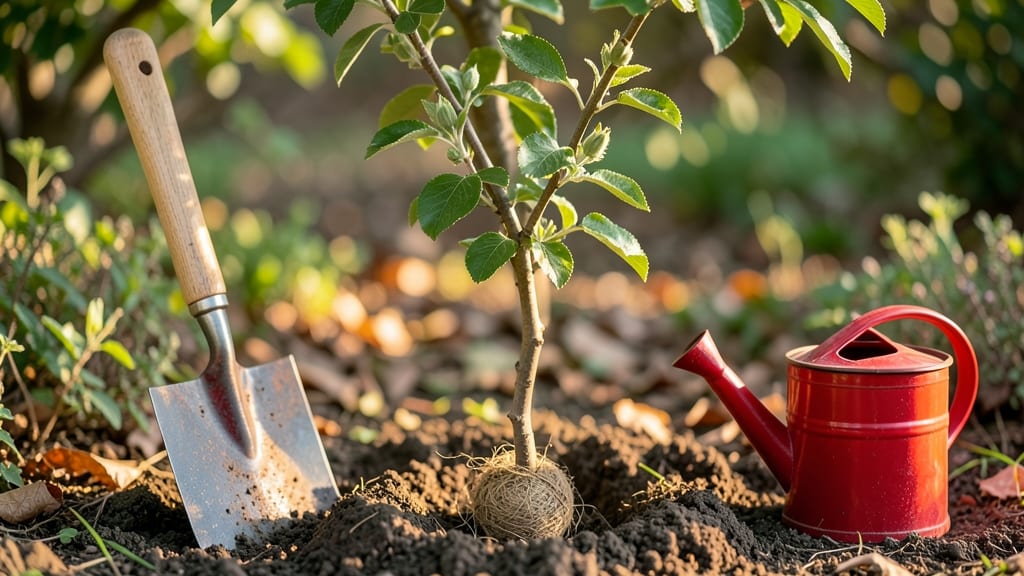
Transplanting fruit trees when they’re dormant—between late fall and early spring—is the secret to keeping them alive and productive. 🌱 I’ve moved apple, peach, and even finicky citrus trees without losing a single branch, and the key starts long before the shovel hits the soil.
The best prep work happens weeks ahead: prune back any dead branches, water deeply the day before moving, and dig a hole twice as wide as the root ball. For citrus, keep the soil slightly moist but never soggy—those trees hate wet feet.
The right timing and soil prep cut transplant shock by 75%, and that’s the difference between a tree that thrives and one that sulks for years.
After planting, mulch heavily to lock in moisture and shade the roots from harsh sun. Within a month, you’ll see new growth—proof the tree is settling in.
By the second year, it’ll fruit just like it was always there, with none of the stress that comes from poor timing or rough handling.
Works for almost any fruit tree, though citrus and stone fruits (like peaches) need extra care in hot climates. The same principles apply whether you’re moving a sapling or an established tree—just scale the effort. Let’s get those roots happy and growing!
📚 In This Guide
- What you need
- Instructions
- Tips and common mistakes
- Wrapping up and next steps
What you need
- ● Fruit tree saplings or bare-root trees (1–3, depending on variety and space)
- ● Shovel or spade (for digging holes—opt for a transplant spade for precision)
- ● Garden fork or trowel (for loosening soil around roots)
- ● Pruning shears or loppers (sterilized, for trimming dead/damaged branches)
- ● Compost or well-aged manure (5–10 gallons, for enriching soil)
- ● Organic mulch (wood chips, straw, or pine needles—3–4 inches deep)
- ● Watering can or hose with adjustable nozzle (for gentle, deep hydration)
- ● Tree stakes & soft ties (if transplanting young or top-heavy trees)
- ● Root stimulator (powder or gel to encourage root growth)
- ● Soil test kit (to check pH and nutrient levels before planting)
- ● Epsom salt or fertilizer (for magnesium-deficient soils)
- ● Mycorrhizal fungi (boosts root health in new soil)
- ● Drip irrigation system (for consistent moisture post-transplant)
Step-by-step instructions for transplanting fruit trees
Here’s how to move fruit trees with minimal shock and maximum success.
🪴 Step 1: Dig the New Hole at the Right Size and Depth
Dig a hole twice as wide as the root ball and just as deep—no deeper. Fruit trees hate sitting too low, which can suffocate roots and cause rot. I always test depth by placing the tree in the hole and ensuring the top of the root ball sits 2 inches above ground level.
Loosen the soil around the edges of the hole with a shovel or hands. This helps roots spread outward instead of circling tightly. If your soil is heavy clay, mix in 2 gallons of compost around the hole’s perimeter to improve drainage and nutrient uptake.
🌱 Step 2: Prepare the Tree for Transplanting
Water the tree 24 hours before moving to keep roots moist and flexible. Dig a wide trench around the root ball, 12 inches away from the trunk, and use a shovel to lift the tree gently. Wrap the root ball in a burlap sack or old blanket if it’s large—this keeps soil intact and prevents root damage.
Trim any broken or circling roots with clean pruners. You’ll see these as roots growing in tight loops or blackened, mushy sections. A little pruning now prevents future girdling, which strangles the tree over time. Avoid cutting healthy roots unless they’re tangled.
💧 Step 3: Plant the Tree with Proper Support and Watering
Lower the tree into the hole and backfill with the original soil, tamping down lightly every 4 inches to remove air pockets. Add a 2-inch layer of mulch around the base, keeping it 6 inches away from the trunk to prevent rot. I use wood chips because they break down slowly and retain moisture.
Water deeply right after planting—5 gallons for small trees, 10 gallons for mature ones. This settles the soil and eliminates air gaps. Install a stake if needed, but only if the tree is top-heavy or in a windy spot. Tie it loosely with soft fabric to avoid girdling the trunk.
☀️ Step 4: Protect and Monitor for the First Critical Months
Shade the tree with a lightweight cloth or burlap screen for the first 2 weeks to reduce stress from direct sun. You’ll notice new leaves forming more slowly at first—that’s normal. Water once a week if rain doesn’t provide 1 inch of moisture, and always check soil 2 inches deep before watering.
Fertilize lightly after 6 weeks with a balanced, slow-release fertilizer. Avoid heavy feeding right away—transplanted trees focus energy on root recovery, not growth. Watch for wilting or yellowing leaves, which signal overwatering or poor drainage. Adjust care based on what you see.
Tips & tricks for transplanting fruit trees
Moving fruit trees can be nerve-wracking, but these practical tips will help you avoid common pitfalls and set your trees up for success.
The 24-Hour Watering Rule: The 24 hours before transplanting is your best friend—don't skip it! This gives roots time to absorb moisture, making them more flexible and less likely to break during the move. I've seen trees with dry roots snap like twigs when lifted, so trust me on this. If you're moving on a particularly hot day, water again just before digging.
Root Ball Protection: When lifting larger trees, that burlap sack isn't just for show—it's essential. The root ball stays intact, preventing soil loss and root damage. For smaller trees, you can skip the burlap, but always handle roots gently. I once watched a neighbor rip through roots with a shovel, and that tree struggled for years afterward. Use a wide trench and lift from underneath.
Soil Preparation Matters: That 2 gallons of compost isn't optional for clay-heavy soils—it's a game-changer. Mix it into the hole's perimeter to create a nutrient-rich zone where roots can establish quickly. For sandy soils, consider adding a bit of peat moss to help retain moisture. The goal is to mimic the tree's original growing conditions as closely as possible.
Mulching Magic: The 2-inch layer of mulch you add after planting isn't just decoration—it's your tree's first line of defense against temperature swings and moisture loss. Keep it 6 inches away from the trunk to prevent rot, and use wood chips that break down slowly. I've seen trees with mulch piled against the trunk develop fungal issues, so spacing matters just as much as the amount.
Pro Tips for Transplanting Fruit Trees
- Moving fruit trees can be nerve-wracking, but these practical tips will help you avoid common pitfalls and set your trees up for success.
- The 24-Hour Watering Rule: The 24 hours before transplanting is your best friend—don't skip it!
- Root Ball Protection: When lifting larger trees, that burlap sack isn't just for show—it's essential.
Frequently asked questions
Got questions about transplanting fruit trees? You’re not alone—this process can feel tricky! Below, we’ve tackled the most common concerns to help you transplant with confidence and keep your trees thriving for years to come.
When is the best time to transplant a fruit tree?
The ideal window is late fall to early spring (before buds swell or after leaves drop). Avoid extreme heat or frost—roots need time to establish without stress. For container-grown trees, you can transplant year-round if soil stays moist.
How long does it take for a transplanted fruit tree to recover?
Most fruit trees take 1–2 years to fully recover, but recovery signs include new leaf growth (4–6 weeks) and stable roots (check by gently tugging the base after 6 months). Patience pays off—consistent watering and mulching speed up the process!
What’s the best way to water a newly transplanted fruit tree?
Deep water 2–3 times per week (1–2 inches total) for the first month, then taper to weekly deep soakings. Use a soaker hose or drip irrigation to avoid wetting foliage (fungus risk!). Pro tip: Water at dawn to reduce evaporation.
Can I transplant a fruit tree in summer? What are the risks?
Summer transplanting is high-risk due to heat stress and drought. If you must, choose early morning or late evening, keep the root ball moist, and provide shade cloth for 2–3 weeks. Expect slower recovery—buds may scorch, and roots struggle to establish.
What if my transplanted fruit tree’s leaves turn yellow or wilt?
Yellow leaves often signal transplant shock (root damage) or nutrient deficiency. Wilt could mean underwatering or root rot (from overwatering). Trim damaged leaves, adjust watering, and fertilize lightly with balanced 10-10-10 after 4–6 weeks.
Are there any fruit trees that transplant better than others?
Yes! Dwarf varieties (like apple ‘Red Delicious’ or peach ‘Elberta’) and container-grown trees transplant easiest due to smaller root systems. Avoid transplanting mature, large trees—their recovery is slower and riskier. Young trees (2–5 years old) adapt best!
Wrapping up and next steps
Transplanting fruit trees can feel daunting, but with the right preparation, timing, and care, your trees will thrive—and so will your harvest! 🌳 The key is minimizing stress by choosing healthy stock, pruning wisely, and giving your trees the love they need post-transplant.
Whether you’re a seasoned gardener or a beginner, patience and attention to detail will pay off in lush growth and bountiful fruit.
Ready to take the next step? Mark your calendar for the best transplanting window in your climate, gather your tools, and get digging! Your future orchard—and taste buds—will thank you. 🍏🍊