Trees
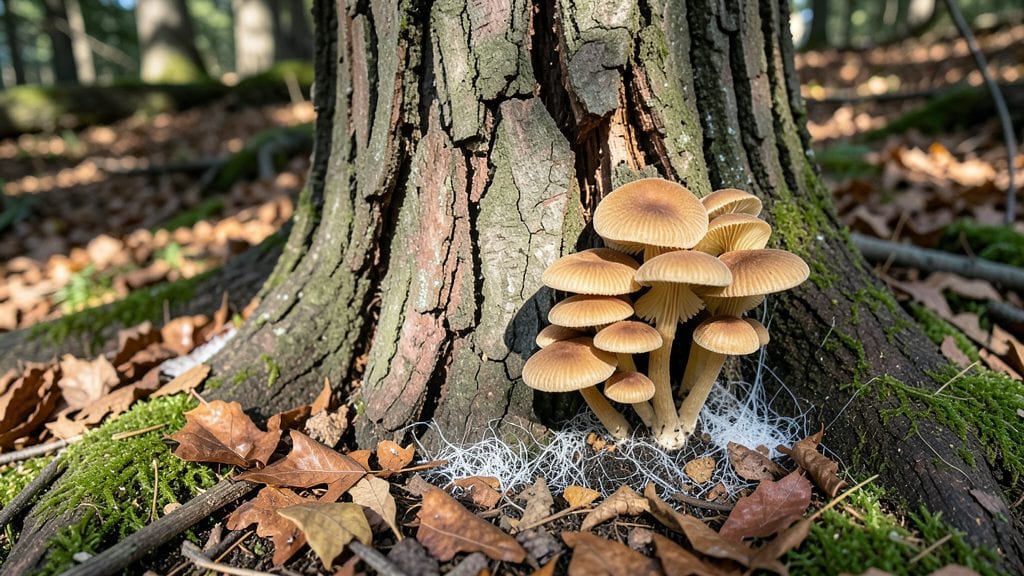
Tree fungus growth starts small but can turn a thriving oak into a hollow shell if you ignore it. I’ve watched powdery mildew turn my lilac bushes into ghostly white skeletons—and learned the hard way that prevention beats cleanup every time.
The key isn’t just spotting the fuzzy spots or sunken bark; it’s understanding why fungus moves in (hint: it’s usually your fault).
Most fungal problems pop up when trees get too wet, crowded, or stressed—think overwatering, poor airflow from thick branches, or weak roots from compacted soil. I’ve seen canker diseases spread like wildfire in just one rainy season, turning healthy bark into oozing wounds.
The good news? Simple fixes like thinning branches, improving drainage, and removing infected debris can stop it before it starts.
You’ll spot the difference within a growing season: leaves stay vibrant, bark stays smooth, and roots stay strong. Even better, you’ll avoid the heartbreak of losing a mature tree to something that could’ve been prevented with basic care.
The tools you need? A sharp pruner, some mulch, and a watchful eye for early signs.
When in doubt, call an arborist—especially if the fungus is spreading fast or the tree looks structurally weak. But for 90% of cases, you’ll handle it yourself with these steps. Let’s get your trees back to healthy.
Root Causes Of Fungal Spread
Fungal growth on trees isn’t just a random occurrence—it’s often the result of specific environmental and biological triggers. Understanding these underlying causes can help you take proactive steps to protect your trees.
Below, we break down the most common reasons why fungi thrive on trees, from moisture mismanagement to weakened tree defenses.
Fungi love water—it’s their lifeline. When trees sit in soggy soil or receive too much irrigation, excess moisture creates the perfect breeding ground for fungal spores. Poor drainage, compacted soil, or even overwatering can trap moisture against the bark or roots, inviting pathogens like Armillaria (root rot) or Phytophthora.
- Why it happens: Fungal spores germinate in wet conditions, and prolonged dampness weakens the tree’s natural defenses.
- Actionable fix:
- Improve soil aeration with organic matter (compost or mulch).
- Avoid overwatering—stick to deep, infrequent watering.
- Install French drains or raised beds if your yard has poor drainage.
Trees under stress—whether from drought, extreme heat, or cold snaps—become prime targets for fungal infections. Stress weakens the bark and root systems, making it easier for spores to penetrate and establish colonies.
- Why it happens: Environmental shocks disrupt the tree’s nutrient flow, reducing its ability to fight off pathogens.
- Actionable fix:
- Mulch around the base to regulate soil temperature and retain moisture.
- Water deeply during droughts to prevent shock.
- Choose tree species native to your climate for better resilience.
Cuts, cracks, or broken branches create entry points for fungal spores. Even minor damage from pruning, storms, or pest activity can leave trees vulnerable to infections like Hypoxylon (bark canker) or Ceratocystis (wilt fungi).
- Why it happens: Open wounds expose the tree’s vascular system, allowing fungi to invade and spread.
- Actionable fix:
- Prune trees properly—use clean, sharp tools and seal larger cuts with pruning paste.
- Remove damaged branches promptly to prevent further infection.
- Inspect trees after storms for hidden cracks or splits.
Some fungi don’t act alone—they hitch a ride with insects or other pests. For example, bark beetles can carry Ophiostoma fungi, which causes Dutch elm disease. Once pests create tunnels or feed on weakened tissue, fungi move in to finish the damage.
- Why it happens: Pests compromise the tree’s structural integrity, making it easier for fungi to colonize.
- Actionable fix:
- Monitor trees for signs of pests (sawdust-like frass, holes, or sap oozing).
- Use targeted pesticides or introduce natural predators (like ladybugs for aphids).
- Remove infested branches or trees to prevent spread.
Trees crowded too closely together or planted in shaded, low-light areas suffer from poor airflow. Stagnant air traps humidity and spores, creating a fungal paradise. Common offenders include Botrytis (gray mold) and Venturia (apple scab in fruit trees).
- Why it happens: Limited airflow prevents moisture from evaporating, keeping conditions ideal for fungal growth.
- Actionable fix:
- Space trees according to their mature size (check local guidelines).
- Thin out dense foliage to improve sunlight and airflow.
- Avoid planting trees too close to structures or fences.
Over-fertilization—especially with high nitrogen—can weaken a tree’s immune response, making it susceptible to fungal attacks. Similarly, soil pH imbalances (too acidic or alkaline) disrupt beneficial microbes that naturally suppress fungi.
- Why it happens: Chemical stress alters the tree’s physiology, reducing its ability to resist pathogens.
- Actionable fix:
- Test soil annually and adjust pH with lime (to raise) or sulfur (to lower).
- Use balanced, slow-release fertilizers instead of quick-acting chemicals.
- Add mycorrhizal fungi to the soil to boost natural defenses.
Tackling Tree Fungus Issues
Fungal infections in trees can feel overwhelming, but with the right approach, you can restore your tree’s health—or even prevent future outbreaks. Below, we’ve mapped common causes of tree fungus growth to practical solutions, including preventative care and step-by-step fixes tailored to your situation.
Fungi thrive in soggy conditions, so excess moisture is a prime culprit. If your tree sits in waterlogged soil or lacks proper drainage, here’s how to fix it:
🔥 Fix It Fast: Improve Drainage
- Aerate the Soil 👨🍳 Use a garden fork or an aerator to poke holes around the tree’s drip line (the edge of its canopy). This helps water drain away from the roots.
- Raise the Tree Bed ✨ If your tree is in a depression, mound soil around the base (but keep the trunk exposed) to encourage runoff.
- Install a French Drain 💡 For severe cases, dig a shallow trench near the tree, fill it with gravel, and cover it with landscape fabric to redirect excess water.
🌡️ Prevent Future Issues
- Water Deeply but Less Often 💧: Aim for 1–2 inches per week (including rain) and let the top 2–3 inches of soil dry between waterings.
- Mulch Properly 🌿: Apply 2–4 inches of mulch (wood chips or bark) around the base, but keep it 6 inches away from the trunk to avoid trapping moisture.
- Check Your Landscape 📊: Avoid planting trees in low-lying areas where water pools after rain.
If you spot strange fungi sprouting from your tree—or discolored leaves—act quickly to stop the spread.
🔪 Remove the Problem Safely 1. Cut Out Affected Branches 🪓
- Use sterilized pruning shears (wipe with rubbing alcohol between cuts).
- Remove all infected branches, including 2–3 inches of healthy tissue below the fungus.
- Dispose of clippings in a sealed trash bag (not your compost bin!).
- Clean the Wound 🧼 - Apply pruning sealant (optional but helps prevent reinfection). - For large wounds, consider wound dressing (like Tanglefoot Tree Wound Pruning Sealer).
🛡️ Stop the Spread
- Sanitize Tools ⚗️: After pruning, clean shears with bleach solution (1 part bleach to 9 parts water) to kill spores.
- Avoid Over-Fertilizing 🚫🌱: Too much nitrogen stresses trees, making them vulnerable.
Use a balanced, slow-release fertilizer (10-10-10 or 20-20-20). - Encourage Airflow 🌬️: Thin out dense foliage to improve circulation, reducing humidity where fungi love to grow.
Stress from pests, disease, or poor care makes trees prime targets for fungal infections.
💪 Boost Tree Immunity 1. Prune for Health 🌿
- Remove dead, dying, or crossing branches to improve airflow.
- Thin the canopy to let sunlight reach inner branches (fungi love dark, damp spots).
- Fertilize Smartly 🌱 - Test your soil first (use a DIY soil test kit from a garden center). - Apply mycorrhizal fungi (beneficial fungi that help roots absorb nutrients).
- Monitor for Pests 🐜 - Aphids, beetles, and borers create entry points for fungi.
Treat infestations early with neem oil or insecticidal soap.
🛠️ Emergency Care for Severe Cases
- Fungicide Treatment 💊: For stubborn infections (like anthracnose or powdery mildew), use a copper-based fungicide (follow label instructions).
- Consult an Arborist 🌳: If the tree is large or the fungus is aggressive (e.g., armillaria root rot), hire a professional for deep soil treatment or removal.
Keep your trees healthy with these proactive steps:
| Task | How Often | Why It Helps |
|---|---|---|
| Inspect trees | Monthly (spring-fall) | Catches early signs of stress or fungus. |
| Mulch correctly | Once a year | Regulates soil moisture and temperature. |
| Prune properly | Late winter/early spring | Removes weak branches before fungal season. |
| Test soil | Every 2–3 years | Ensures proper nutrients and pH balance. |
| Water wisely | Seasonally adjusted | Prevents soggy roots that fungi love. |
Final Tip: 💡 Healthy trees resist fungus better! Focus on proper care, airflow, and stress reduction—and you’ll see fewer fungal surprises over time. If in doubt, a local arborist can provide a tailored plan for your tree’s specific needs.
Frequently asked questions
What are the first signs of tree fungus growth I should watch for?
Look for white, gray, or black powdery patches on leaves (powdery mildew), sunken or oozing bark (canker), or mushrooms sprouting at the base (root rot). Yellowing leaves or sudden leaf drop can also signal trouble—act fast if you spot these early warnings.
Can I save a tree already showing signs of fungus?
It depends on the type and severity! For mild cases (like powdery mildew), pruning infected branches and improving airflow can restore health. But if you see large cankers, mushrooms at the base, or widespread leaf loss, consult an arborist—the tree may need professional treatment or removal.
How do I know if my tree has root rot vs. another fungus?
Root rot causes wilting leaves, stunted growth, and mushrooms growing from the soil near the trunk. Tap the base—if it feels soft or hollow, it’s likely root rot. Other fungi (like canker) usually appear on branches or bark first. Test soil moisture too—root rot thrives in constantly soggy conditions.
Are there natural ways to treat tree fungus without chemicals?
Yes! Start by improving airflow (prune dense branches) and reducing moisture (fix drainage). For mild cases, spray leaves with a mix of 1 tablespoon baking soda + 1 quart water + a drop of dish soap. Neem oil (1% solution) also works well for foliar fungi like powdery mildew—just reapply after rain.
Why does fungus keep coming back even after treatment?
Fungi often return because the underlying conditions (like poor drainage or overcrowding) aren’t fixed. Check for lingering issues: Are branches still too dense? Is the soil still waterlogged? Remove all infected debris (even fallen leaves) and adjust your care routine—prevention is key to breaking the cycle.