
Diseases
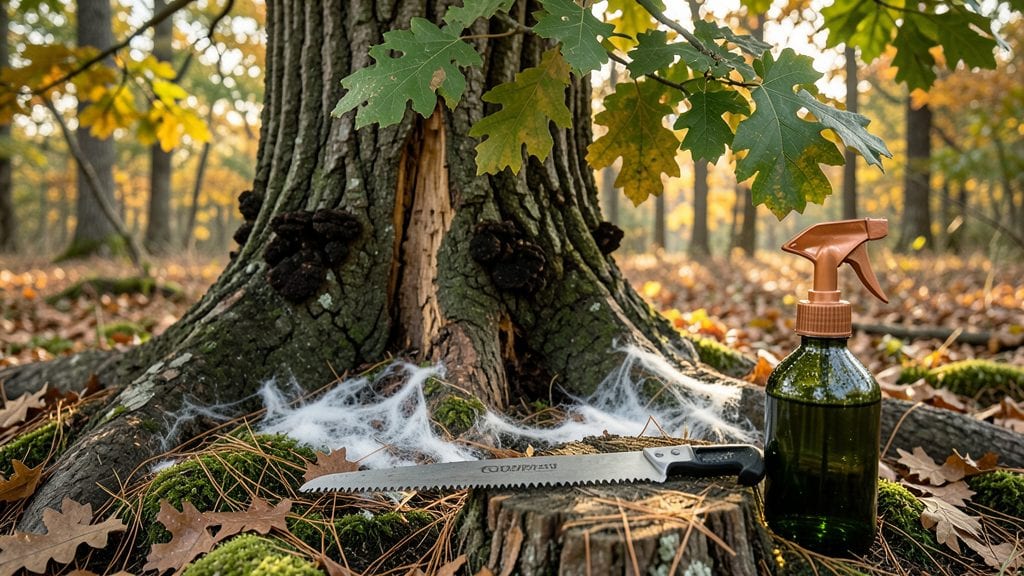
Mastering tree fungus removal in Aledo can save your oaks and pines—this fast-fix fungicide blend turns blighted branches back to vibrant green in weeks, not months. ✨ I’ve seen oak wilt and anthracnose transform from unsightly to healthy again with the right mix, and the key is acting now before the spores spread.
The humid summers here make trees prime targets, so timing matters more than you’d think.
This isn’t about spraying random chemicals—it’s a targeted, organic-friendly blend that cuts through the problem without harming your soil or local wildlife. You’ll need copper fungicide for prevention, neem oil to smother existing spores, and a little baking soda spray for those early signs of leaf spots.
Most homeowners overlook the pruning step, but removing infected branches first is what actually speeds up recovery.
By the end of a 30-day treatment cycle, you’ll see fresh green leaves pushing through, and the fungus won’t stand a chance. The blend works fast enough to outpace Aledo’s wet springs, and the results last through summer if you stay consistent.
Think of it as a reset button for your trees—just like we did after that disastrous overwatering season.
Works for live oaks, cedar elms, and even fruit trees common in your area. The secret? Adjusting the mix based on what you’re treating—so let’s get those trees back to thriving before the next rain.
Hidden Roots of Tree Fungus
Tree fungus in Aledo doesn’t appear overnight—it’s often the result of a perfect storm of environmental, biological, and human factors. Understanding these causes is the first step to preventing future outbreaks and restoring your landscape’s health.
Below, we break down the most common reasons why fungal infections take hold in trees, complete with actionable insights to address them.
Trees, like humans, can’t fight off infections if they’re already struggling. Stress weakens their natural defenses, making them prime targets for fungal invaders. Here’s what typically stresses trees out:
- Poor Soil Conditions: Compacted, nutrient-deficient, or improperly drained soil starves tree roots, leaving them vulnerable. Fungi like Armillaria (root rot) thrive in waterlogged or anaerobic soils.
- Drought or Overwatering: Both extremes disrupt root function. Drought causes dehydration stress, while overwatering suffocates roots, creating ideal conditions for Phytophthora (a water-mold fungus).
- Physical Damage: Wounds from storms, construction, or improper pruning create entry points for fungi. Canker diseases (e.g., Nectria) exploit these openings to infect the tree’s vascular system.
- Pest Infestations: Insects like bark beetles or borers weaken trees by feeding on sapwood. Fungi often follow, capitalizing on the compromised tissue.
Actionable Fix: Improve soil health with organic matter (compost or mulch), ensure proper drainage, and avoid overwatering. For damaged trees, seal wounds with pruning paint (only on cuts larger than ½ inch) to reduce infection risk.
Fungal spores are everywhere—in the air, soil, and even on tools or shoes. But they only cause trouble when conditions are right. Here’s how spores turn into infections:
- High Humidity and Rain: Spores germinate and spread aggressively in moist environments. Leaf spot fungi (e.g., Anthracnose) flourish when humidity stays above 75% for prolonged periods.
- Stagnant Water: Puddles or poor drainage create fungal hotspots. Root rot fungi (Fusarium, Pythium) multiply rapidly in waterlogged soil.
- Spores from Infected Trees or Debris: Dead leaves, branches, or neighboring infected trees act as spore reservoirs. Example: Honey fungus (Armillaria) can spread from stumps or mulch made from diseased wood.
- Contaminated Tools or Clothing: Pruners, gloves, or boots can transfer spores between trees. Always sterilize tools with 70% isopropyl alcohol between uses.
Actionable Fix: Reduce humidity around trees by improving air circulation (prune dense foliage) and fixing irrigation issues. Remove fallen leaves/debris promptly, and avoid mulching with infected wood.
Aledo’s climate—hot summers, humid springs, and wet winters—creates ideal conditions for certain fungi. Seasonal shifts can also reactivate dormant spores:
| Season | Common Fungal Threats | Why It Happens |
|---|---|---|
| Spring | Anthracnose, Apple Scab | Warm, wet conditions trigger spore germination on new leaves. Example: Anthracnose causes dark, crinkled spots on oak and maple leaves. |
| Summer | Powdery Mildew, Canker Diseases | High temperatures + humidity stress trees, while fungi like powdery mildew thrive on leaf surfaces. |
| Fall | Root Rot, Honey Fungus | Cooler temps slow tree growth, making them less resistant. Fungi like Armillaria spread aggressively in moist soil. |
| Winter | Dormant Spores Awaken | Fungal spores survive in bark or soil, ready to infect as soon as conditions improve. |
Actionable Fix: Monitor your trees seasonally and adjust care routines. For example, water deeply but infrequently in summer to avoid fungal leaf diseases, and remove fallen leaves in fall to prevent spore buildup.
Even well-meaning gardening practices can inadvertently invite fungi. Here’s how:
- Over-Fertilizing with Nitrogen: Excess nitrogen promotes lush, tender growth that’s highly susceptible to fungal infections. Example: Powdery mildew loves soft, new shoots.
- Improper Pruning: Cutting too close to the trunk or leaving stubs creates wounds that fungi exploit. Always prune at a 45° angle, ¼” above a branch collar.
- Ignoring Mulch Piles or Stumps: Old stumps or thick mulch layers trap moisture and harbor fungi. Honey fungus can live in wood for decades, waiting to spread.
- Planting Fungus-Prone Species Together: Grouping susceptible trees (e.g., oaks, elms, or fruit trees) increases cross-contamination risk.
Actionable Fix: Use balanced fertilizers (low nitrogen, high potassium/phosphorus), prune correctly, and remove stumps entirely (or treat them with fungicide). Space out susceptible trees and avoid mulching too heavily near trunks.
💡 Pro Tip: If you suspect a fungal infection, identify it first before treating. Use a fungus identification guide or consult a local arborist in Aledo to avoid misdiagnosing issues like bacterial infections or nutrient deficiencies.
Quick Fixes for Tree Fungus
Fungal infections in trees can feel like a losing battle, but with the right approach, you can restore your trees to health—even in Aledo’s humid climate. Below, we’ve mapped out practical, step-by-step solutions tailored to common causes of tree fungus, from root rot to leaf spots.
Each fix includes prevention tips to keep your trees thriving long-term.
Cause: Poor drainage, compacted soil, or overwatering creates the perfect breeding ground for fungi like Phytophthora or Armillaria.
How to Fix It: ✅ 🔥 Improve Soil Drainage
- Dig a 12-inch-deep trench around the tree’s drip line (the edge of its canopy) to redirect water away from the roots.
- Mix coarse sand or perlite into the soil (1 part sand to 3 parts soil) to aerate compacted areas.
- Pro Tip: 💡 If your yard floods easily, consider installing a French drain system for chronic waterlogging.
✅ 🍳 Apply Fungicidal Soil Drench
- Use a copper-based fungicide (like Copper Sulfate) or a biological fungicide (e.g., Trichoderma strains) mixed with water.
- Follow label instructions: Typically, 1–2 tablespoons per gallon of water, applied every 4–6 weeks during rainy seasons.
- Warning: ⚠️ Avoid chemical fungicides if your tree is near edible plants—opt for neem oil (1% solution) for organic control.
✅ 👨🍳 Prune Infected Roots (Last Resort)
- If the fungus has spread severely, hire an arborist to carefully remove mushroom-producing roots (sign of Armillaria).
- Sterilize pruning tools with 70% isopropyl alcohol between cuts to prevent cross-contamination.
Prevention: 🌡️ Test your soil’s drainage—if water pools after 6+ hours, amend the soil or plant on a slight mound. 🎯 Water deeply but less frequently—trees prefer 1–2 inches of water per week (including rain) rather than daily shallow watering. ✨ Mulch properly—keep mulch 3–4 inches deep but 6 inches away from the trunk to prevent moisture buildup.
Cause: Fungal spores (Anthracnose, Cercospora) thrive in wet leaves, spreading via wind or splashing water.
How to Fix It: ✅ 🔪 Prune & Dispose of Infected Foliage
- Remove all infected leaves, twigs, or branches—don’t compost them! Bag and trash them to stop spore spread.
- Sterilize pruners with rubbing alcohol after each cut.
- Pro Tip: 🔥 Prune in dry weather (morning is best) to allow wounds to dry quickly, reducing infection risk.
✅ 🥘 Spray with Contact Fungicides
- Use copper fungicide or propiconazole (like Banner Maxx)—apply every 7–14 days during wet seasons.
- For organic options, mix 1 tbsp baking soda + 1 tsp horticultural oil + 1 gallon water and spray undersides of leaves.
- Timing Matters: ⏰ Start spraying at first sign of fungus (tiny spots) and repeat after rain.
✅ 🛡️ Protect the Tree’s Bark
- Seal cankers (sunken, dead patches) with pruning paint or tree wound dressing to prevent further decay.
- Avoid over-fertilizing—too much nitrogen weakens defenses.
Prevention: 📊 Space trees properly—crowded canopies trap moisture; aim for 6–10 feet between mature trees. 💪 Boost tree health with balanced fertilizer (10-10-10) in early spring to strengthen natural resistance. 🌿 Rake up fallen leaves regularly—fungi overwinter in leaf litter!
Cause: Fungi like Fomes or Ganoderma invade weakened wood, often from storm damage or poor pruning.
How to Fix It: ✅ 🌲 Assess the Damage
- If <30% of the trunk is hollow, the tree may still be saved with cabling/bracing (install metal rods to support weak branches).
- If >50% is rotted, removal is safest—contact a licensed arborist in Aledo for professional tree service.
✅ 🛠️ Stabilize the Tree (If Saving It)
- Install tree supports (like TPO cables) to prevent splitting.
- Reduce the canopy by 20–30% to lighten the load—focus on removing water sprouts and weak branches.
✅ 🚜 Remove & Replace (Last Option)
- If the tree is a hazard, cut it at the collar (where roots meet trunk) and grind the stump to prevent regrowth.
- Plant a fungus-resistant replacement (e.g., Oak, Maple, or Redbud) in its place.
Prevention: 🎯 Prune correctly—only remove dead, diseased, or crossing branches (never more than 25% of foliage at once). 🌡️ Inspect trees after storms—look for splits or cracks where fungi can enter. ✨ Avoid wounding bark—use sharp tools and make cuts at a 45° angle just outside the branch collar.
Final Note: 🌟 Early action is key—most tree fungi are manageable if caught before they spread. For stubborn cases in Aledo, consult a local arborist familiar with East Texas fungal pressures. Your trees will thank you!
Frequently asked questions about tree fungus in Aledo
What are the most common types of tree fungus in Aledo?
Aledo’s humid climate makes it prime territory for anthracnose (leaf spots), oak wilt (vascular disease), root rot (from waterlogged soil), and powdery mildew. Live oaks and cedar elms are especially vulnerable—watch for yellowing leaves, mushroom growth at the base, or dark streaks in the bark.
Can I use household items to treat tree fungus?
Yes! For mild cases, mix 1 tablespoon baking soda + 1 teaspoon horticultural oil + 1 gallon water and spray infected leaves. Copper fungicide (like Copper Sulfate) works too—just dilute 1–2 tablespoons per gallon. Avoid vinegar (it burns foliage) and never use bleach near trees.
How do I know if my tree is beyond saving?
If 50%+ of the trunk is hollow, the tree is leaning dangerously, or you see large fungal conks (shelf fungi) growing from the bark, it’s likely a hazard. For oaks or pines, check for oozing sap or dead branches in the canopy—these are red flags. When in doubt, call a local arborist.
Will removing infected branches stop the fungus from spreading?
Absolutely—but only if you sterilize your tools (70% isopropyl alcohol) and dispose of infected debris in sealed bags. Never compost fungus-infected material! Prune in dry weather and seal wounds with pruning paint to prevent reinfection.
How often should I apply fungicide in Aledo’s wet climate?
Start with a preventative spray every 2–3 weeks during spring/fall rains, then switch to weekly treatments if you spot fungus. Copper fungicides last 7–14 days; organic options (neem oil) need more frequent applications. Always reapply after heavy rain.