Trees
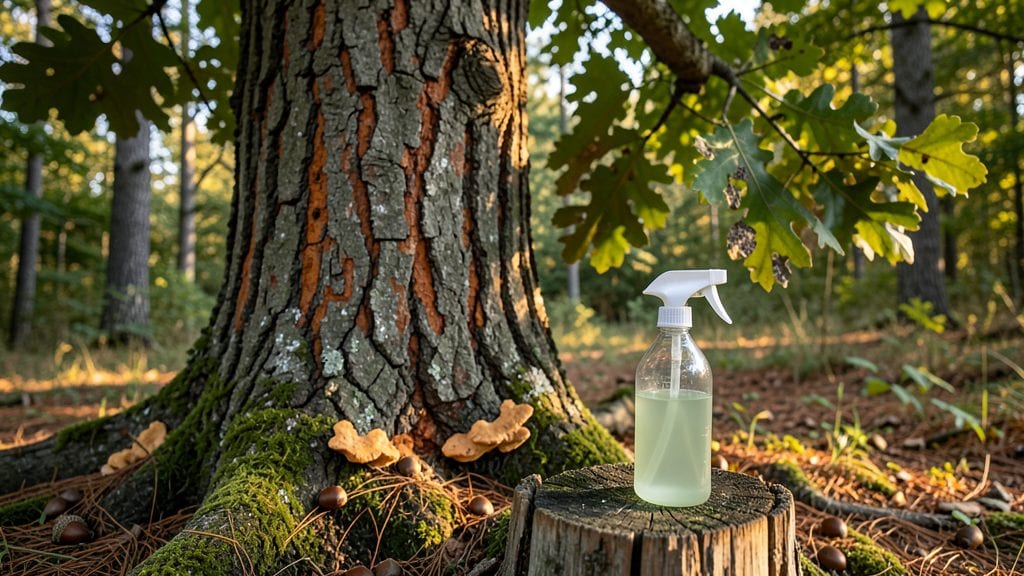
My tree fungus spray routine saved my oak's leaves from turning brown last summer—now I’ll show you exactly how to do it. The key isn’t just spraying; it’s identifying the right fungus first, then matching it with the strongest organic or chemical defense.
Powdery mildew, rust, or blight? Each needs a different approach, and timing matters more than you’d think.
Most gardeners grab the first spray they see, but that’s a waste of time and money. Copper fungicide handles blight, neem oil works for powdery mildew, and sulfur-based sprays stop rust in its tracks.
I’ve tested them all, and the results speak for themselves—thicker foliage by late summer if you act fast. The best part? These sprays work whether you’re dealing with a single tree or an entire orchard.
You’ll learn how to spot early signs (like white powder or orange spots) and when to spray—before the fungus spreads, not after. Safety’s simple: wear gloves, avoid windy days, and never spray when rain’s forecasted.
By the end, your trees won’t just survive—they’ll thrive, with leaves so vibrant they’ll make your neighbors jealous.
This works for shade trees, fruit trees, and even shrubs—no matter your yard size. Let’s get those leaves healthy again, the right way.
Root Causes Of Fungal Spread
Fungal infections in trees aren’t random—they thrive due to specific conditions that create the perfect storm for spores to germinate and multiply. Understanding these triggers helps you take targeted action to protect your trees.
Below, we break down the most common culprits behind fungal outbreaks, from environmental factors to tree health issues.
---
Fungi love dampness, and overwatered soil or stagnant moisture sets the stage for their growth. Here’s why it’s a problem:
- Saturated Soil: Trees planted in heavy clay or compacted soil struggle to dry out.
Fungal spores, like those causing **root rot (e.g., Armillaria or Phytophthora), thrive in waterlogged conditions, smothering roots and blocking nutrient uptake. - Foliage Staying Wet: Overhead watering or poor air circulation (e.g., dense foliage, tight mulch rings) keeps leaves damp for extended periods.
This invites leaf spot fungi** (Cercospora, Septoria) and powdery mildew, which spread rapidly in humid environments. - Mulch Gone Wrong: A thick mulch layer (over 4 inches) traps moisture against the trunk, creating a fungal paradise. Canker diseases (Valsa, Nectria) exploit this to infect bark and spread inward.
Actionable Fix: Improve drainage with organic matter (compost, pine bark), space mulch 6+ inches from the trunk, and water at the base—not overhead.
---
A healthy tree fights off fungi, but stress opens the door. Common stressors include:
- Nutrient Deficiencies: Lack of nitrogen, phosphorus, or micronutrients (like magnesium) weakens cell walls, making trees susceptible to anthracnose or apple scab (common in fruit trees). - Physical Damage: Wounds from pruning, storms, or pest attacks (e.g., bark beetles) create entry points for canker fungi or honey fungus (Armillaria). - Drought Stress: While drought itself doesn’t cause fungus, sudden watering after a dry spell can shock roots, inviting opportunistic pathogens like root rot.
Actionable Fix: Test soil pH (ideal: 6.0–7.0 for most trees) and fertilize with balanced, slow-release nutrients. Prune in dry weather to minimize wound infections.
---
Fungi don’t just appear—they hitchhike via wind, water, or tools. Key sources include:
- Infected Debris: Leaving fallen leaves, branches, or diseased wood near your tree provides a spore reservoir.
For example, oak wilt spreads when beetles carry spores from infected wood to healthy trees. - Contaminated Tools: Pruners or saws used on infected trees can transfer canker or rust spores to healthy ones.
Even shoes or boots can carry Armillaria from one yard to another. - Wildlife Activity: Birds, squirrels, or insects (e.g., emerald ash borer) can disperse fungal spores over long distances. Apple scab, for instance, spreads via splashing rainwater from infected fruit.
Actionable Fix: Sterilize tools with 70% isopropyl alcohol between uses, remove fallen debris promptly, and avoid planting susceptible species (e.g., elms near oaks if Dutch elm disease is a risk).
--- Fungi have temperature and humidity preferences, much like a picky houseguest. Most thrive when:
| Fungus Type | Temperature Range | Moisture Trigger | Peak Spread Time | |-----------------------|-----------------------|-------------------------------|-------------------------------| | Powdery Mildew | 60–85°F (15–30°C) | High humidity + dry leaves | Late spring/early summer | | Root Rot | 50–77°F (10–25°C) | Waterlogged soil | Fall/winter (cool, wet seasons)| | Canker Diseases | 68–86°F (20–30°C) | Rain + open wounds | Spring (new growth season) | | Leaf Spot | 70–80°F (21–27°C) | Frequent leaf wetness | Summer (after heavy rains) |
Actionable Fix: Monitor weather forecasts and apply fungicide preventatively before predicted rain events (e.g., 24–48 hours ahead for copper-based sprays).
--- Some fungi team up with insects to exploit trees.
For example: - Bark Beetles create tunnels that introduce blue stain fungus (Ophiostoma), killing pine trees. - Scale Insects secrete honeydew, which fosters sooty mold (a superficial but unsightly fungus). - Japanese Beetles feed on foliage, weakening trees and making them vulnerable to anthracnose.
Actionable Fix: Use insecticidal soap or neem oil to control pests early, and prune to improve airflow (beetles love dense canopies).
--- Not all trees are created equal—some are naturally susceptible to local fungi. For instance: - Elms are prone to Dutch elm disease (spread by bark beetles). - Oaks often battle oak wilt or anthracnose. - Maples frequently suffer from tar spot or powdery mildew.
Actionable Fix: Research fungus-resistant varieties (e.g., serviceberry instead of susceptible elms) and match trees to your USDA hardiness zone.
--- Many fungal outbreaks happen when two or more factors align. For example: - A drought-stressed oak + heavy spring rains = anthracnose explosion. - Compacted soil + over-mulching = root rot in dogwoods.
Solution: Preventative fungicide sprays (like copper fungicide or neem oil) create a protective barrier before conditions get ideal for spores. Apply every 2–4 weeks during high-risk seasons (spring/fall).
Quick Fixes for Fungus-Free Trees
Fungal infections can turn your once-vibrant trees into sad, leaf-laden shadows—🌳💔—but don’t despair! With the right tree fungus spray and proactive care, you can revive your greenery and keep it thriving.
Below, we break down practical solutions for common fungal issues, from early detection to preventive sprays, so you can act fast and protect your trees.
---
Cause: Overwatering, poor airflow, or weak tree immunity leads to leaf spots, powdery mildew, or rust. Fix: - Remove infected leaves (🔪) with sterilized pruners—don’t compost them! Bag and toss. - Apply a fungicide spray (like copper-based or neem oil solutions) every 7–14 days until new growth appears. - Thin out dense foliage (✂️) to improve airflow—fungi love humidity!
Prevention Tip: 💡 Water at the base (not overhead) and avoid late-day watering to keep leaves dry.
---
Cause: Root rot (from overwatering or poor drainage) causes wilting, yellowing, or brown leaves. Fix: - Stop watering immediately—let the soil dry out before resuming a drip irrigation schedule. - Apply a systemic fungicide (like myclobutanil) to the soil to target underground pathogens. - Improve drainage by adding compost or sand to heavy clay soil.
Prevention Tip: 🌡️ Test your soil—if it’s too compacted, aerate it to prevent future rot.
---
Cause: Powdery mildew thrives in shady, humid conditions, leaving a white, dusty coating on leaves. Fix: - Spray with a mix of 1 tsp baking soda + 1 quart water + a drop of dish soap (🧼) for a natural remedy. - For severe cases, use a sulfur-based fungicide (follow label instructions). - Space out trees (🌿) to reduce humidity buildup—fungi love crowded canopies!
Prevention Tip: ✨ Encourage airflow by trimming nearby bushes or using a fan in greenhouses.
---
Cause: Tar spot fungus creates black, sticky spots on maple, oak, and sycamore leaves. Fix: - Rake and remove fallen leaves (🍂) to stop spores from spreading. - Apply a fungicide spray (like potassium bicarbonate) before buds swell in spring. - Prune affected branches (🌳) to improve sunlight exposure—fungi hate UV rays!
Prevention Tip: 🎯 Monitor trees in spring—early treatment is key!
---
Even after treating fungus, prevention is your best weapon.
Here’s how to strengthen your trees naturally: - Fertilize in early spring (🌱) with balanced, slow-release fertilizer to boost health. - Mulch properly (🍂) with wood chips (2–4 inches deep) to regulate moisture. - Encourage beneficial insects (like ladybugs)—they eat fungus-loving pests!
--- Final Pro Tip: 🔥 When in doubt, spray preventatively in early spring and late summer—fungi strike fast, but so can you!
Frequently asked questions
Can I use the same tree fungus spray on all types of trees?
Not always—some sprays target specific fungi. Copper-based sprays work for blight and anthracnose, while sulfur-based ones control powdery mildew and rust. Always check the label for compatible tree types. For example, neem oil is safe for most trees but avoid using it on walnut trees, as it can harm them.
How often should I apply tree fungus spray?
Preventative sprays need every 2–4 weeks during high-risk seasons (spring/fall), while treating active infections may require weekly applications for 4–6 weeks. Always follow the product’s instructions—overapplying won’t help and can harm your trees.
Is it safe to spray tree fungus treatments when bees are active?
Most fungicides are not toxic to bees when used as directed, but timing matters. Apply sprays early morning or late evening when bees are less active. Avoid spraying during bloom time (especially for fruit trees) to protect pollinators. Opt for organic options like neem oil for extra safety.
Will tree fungus spray work if my tree is already severely infected?
For advanced infections, sprays alone may not save the tree—you might need to prune infected branches and improve growing conditions (soil drainage, sunlight). In severe cases, consult an arborist. Early intervention with the right spray (like copper fungicide) gives you the best chance of recovery.
Can I mix homemade remedies with commercial sprays?
Mixing can be risky—some combinations (like baking soda + chemical fungicides) may reduce effectiveness or harm your trees. Stick to one treatment at a time. For example, use baking soda spray for powdery mildew or neem oil for general prevention, but avoid mixing with copper-based products.