
Propagation
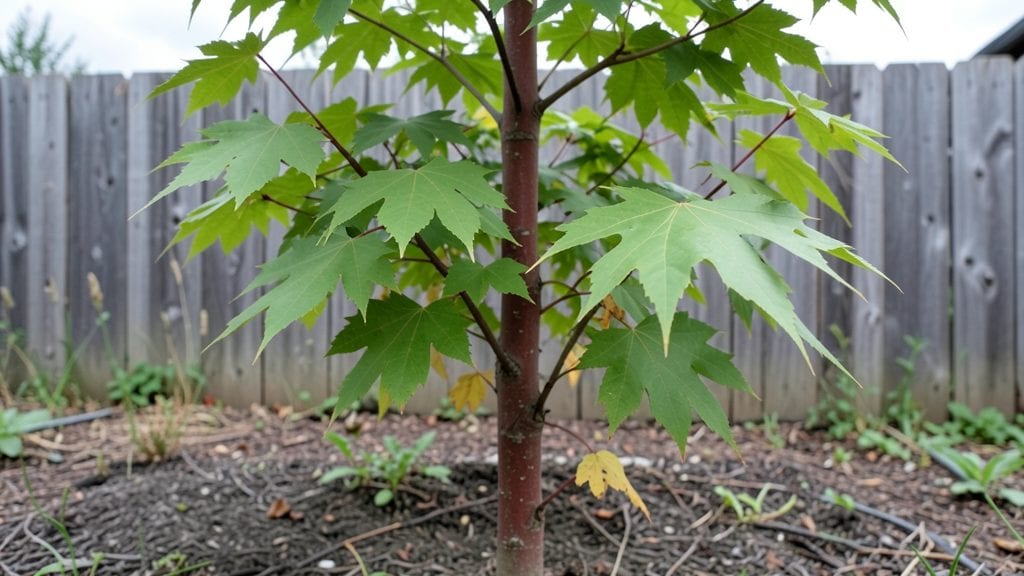
That stubborn tree sprouting from its base isn’t just a nuisance—it’s a sign your tree is trying to heal itself. 🌱 I’ve seen this happen with willows, poplars, and even fruit trees, where the roots send up new shoots when the top gets stressed or damaged.
The key to managing it? Keeping the base moist and understanding whether those sprouts are helpful or harmful.
Most of these shoots are root suckers or stump regrowth, not new trees. Some species—like birch, aspen, or apple—are notorious for this behavior, while others barely sprout at all. The good news?
You can control them organically with mulch, pruners, or even vinegar, or chemically with targeted herbicides if needed. Timing matters too—dormant season is the best time to act.
With the right approach, you’ll either encourage strong regrowth (if you want a fuller tree) or eliminate unwanted shoots without harming the main trunk. The trick is patience and precision—too much moisture can backfire, but just enough keeps the roots happy while you manage the growth.
Let’s get those sprouts under control the right way.
Whether you’re dealing with a single stubborn shoot or a whole ring of them, this method works for both young and mature trees. The goal is a healthy base that supports the tree you actually want—not a jungle of unwanted growth. Ready to take charge?
Root System Secrets Revealed
When you spot a tree sprouting from its base—often called suckering or sprouting—it’s usually a sign of nature’s resilience at work. But why does this happen? The answer lies in the tree’s biology, environmental cues, and even human intervention. Let’s break down the science behind it.
Trees are hardwired to survive, even when their main trunk or canopy is damaged. When a tree’s apical dominance (the hormonal control that suppresses side growth) weakens—due to pruning, disease, or stress—the dormant buds at the base spring into action.
These buds, called adventitious buds, are like backup generators for the tree’s life cycle.
For example, if a tree loses its top (like after a storm or heavy pruning), the base sprouts to restore the canopy and maximize sunlight exposure. This is especially common in fruit trees (like apples or cherries) and fast-growing species such as willows or poplars.
Pro Tip: 💡 If you’re growing a fruit tree and notice basal sprouts, don’t rush to remove them—they could be the tree’s way of recovering from stress!
Moisture and nutrients in the soil play a direct role in triggering basal sprouts. When the root zone stays consistently damp—whether from rain, irrigation, or poor drainage—the tree’s energy shifts toward vegetative growth (leafy sprouts) over fruit or flower production.
Here’s how it works:
- Excess water loosens soil compaction, making it easier for buds to break dormancy.
- High nitrogen levels (from fertilizers or decomposed organic matter) fuel rapid cell division in the buds.
- Root competition—if nearby roots are crowded (like in a grafted tree), the base may sprout to escape the competition.
Watch Out: 🌡️ Overwatering or heavy mulch piles can create a moisture blanket that tricks the tree into thinking it’s spring—even in winter—sparking unwanted sprouts.
Aggressive pruning—especially heading back (cutting just above a bud or branch)—stimulates basal sprouting. When you remove the tree’s leader (the main upward-growing branch), the plant responds by sending out multiple shoots to replace the lost growth.
This is why:
- Hormonal shifts: Pruning increases levels of cytokinins (growth hormones) in the roots, signaling the base to produce new shoots.
- Light exposure: Removing foliage lets more sunlight hit the trunk, warming the bark and activating dormant buds.
- Root feedback: The tree’s roots detect less demand for water/nutrients (since the canopy is smaller) and redirect energy to the base.
Actionable Fix: ✂️ If you prune in late winter or early spring, time it right—avoid heavy cuts in summer, when sprouts are most likely to pop up.
In grafted trees (like many ornamental or fruit varieties), basal sprouts often signal underlying stress from incompatible rootstock and scion combinations. If the graft union fails or the scion (top part) struggles to thrive, the rootstock may send up wild-type shoots (reverting to its original species).
Common scenarios:
- Weak graft bonds (e.g., poor healing after grafting) lead to nutrient diversion to the base.
- Rootstock dominance—some rootstocks (like those used for dwarf fruit trees) are aggressive and may outcompete the scion, causing basal sprouts.
- Disease or pest damage at the graft union forces the tree to “cheat” and grow from the base.
Pro Tip: 🔍 If your grafted tree keeps sprouting from the base, inspect the graft union—it might need reinforcement or the tree may be rejecting the scion.
Trees don’t just sprout from the base—they survive because of it. Harsh conditions like drought, extreme heat, or soil toxicity can force a tree to prioritize reproductive growth (sprouts) over other functions. Here’s how:
| Stressor | How It Triggers Sprouts |
|---|---|
| Drought | Roots signal the tree to produce shallow, fast-growing sprouts that can access moisture near the surface. |
| Compaction or Poor Drainage | Restricted roots can’t absorb water/nutrients efficiently, so the tree “escapes” by growing upward from the base. |
| Herbicide or Salt Damage | Chemical stress weakens the main trunk, prompting the tree to regenerate from protected basal buds. |
Solution: 💧 Improve soil health with organic matter (compost, mulch) and ensure proper drainage to reduce stress-related sprouting.
Fixing Stubborn Base Sprouts Naturally
When a tree starts sprouting from its base—whether it’s a stubborn volunteer seedling or a reviving root system—it’s often a sign of resilience, not a problem. But if you’re dealing with unwanted growth or trying to nurture a struggling tree, these targeted solutions will help you take control.
Below, we’ve mapped out the most common causes of base sprouting and the best ways to address them, from quick fixes to long-term prevention.
If your tree’s base is soggy or waterlogged, excess moisture can trigger root suckers or weak sprouts. The solution? Improve drainage and adjust your watering habits.
🔥 Fix: Improve Soil Aeration & Water Flow
- 👨🍳 Amend the Soil: Mix in compost or perlite (1 part to 3 parts soil) to loosen compacted earth around the base. This helps roots breathe and reduces moisture buildup.
- 🥘 Create a Drainage Layer: Add a 2-inch layer of gravel or coarse sand beneath the topsoil to prevent water pooling. Avoid piling it directly against the trunk, though—keep it 6 inches away to avoid rot.
- ⏰ Adjust Watering: Water deeply once a week (or less in rainy climates) instead of frequent shallow watering. Stick your finger 2 inches into the soil—if it’s damp, wait before watering again.
💡 Prevention Tips
- 🌡️ Mulch Correctly: Use 3–4 inches of organic mulch (wood chips, straw) but keep it 6 inches away from the trunk to avoid trapping moisture.
- ✨ Choose the Right Spot: Plant trees in areas with natural slopes or raised beds to encourage runoff.
Many trees (like willows, maples, or fruit trees) send up suckers from their roots as a survival tactic. While some can be pruned back, aggressive suckers may need a stronger approach.
🔪 Remove Suckers Properly
- 🍳 Cut at the Base: Use clean, sharp pruners to snip suckers flush with the ground. Avoid tearing the root, which can encourage regrowth.
- 🔥 Apply Vinegar or Salt (For Stubborn Suckers): For persistent suckers, dab undiluted white vinegar or a saltwater solution (1 tbsp salt per gallon of water) directly on the cut stump. This prevents regrowth by disrupting cell growth.
- 🌱 Solarize the Area (Advanced): For large infestations, cover the soil with clear plastic for 4–6 weeks in hot sun. The trapped heat kills root systems over time.
💡 Prevention Tips
- 🎯 Prune Regularly: Trim suckers as soon as they appear to reduce energy drain from the main tree.
- 🔥 Girdle the Root (Last Resort): For invasive trees, cut a 1-inch-deep groove around the root collar (the swollen base where roots meet trunk). This severs nutrient flow to suckers.
Digging, mowing, or even heavy foot traffic can wake up dormant buds at a tree’s base, leading to unexpected sprouts. The fix? Minimize disruption and encourage healthy root growth.
👨🍳 Encourage Strong Root Development
- 🥘 Fertilize Lightly: Use a balanced, slow-release fertilizer (10-10-10 ratio) in early spring to support root vigor. Avoid heavy nitrogen, which promotes foliage over roots.
- 🌿 Avoid Soil Compaction: Stay off the root zone with heavy equipment or livestock. If the area is trampled, aerate the soil with a garden fork.
- 🔥 Protect the Root Flare: Ensure the root flare (where roots meet the trunk) is exposed and slightly above soil level. Burying it can suffocate the tree and trigger sprouting.
💡 Prevention Tips
- 🌡️ Install Root Barriers: For high-traffic areas, bury a metal or plastic root barrier (1–2 feet deep) around the tree’s perimeter to prevent accidental damage.
- ✨ Use Grass Alternatives: Replace lawn with mulch or ground covers (like clover) to reduce mower damage near the base.
If you’re trying to grow a new tree from a base sprout (like with willow cuttings or fruit tree layers), the goal shifts from removal to nurturing. Here’s how to encourage healthy propagation.
🌱 Layering for New Trees
- 🍳 Bend & Pin a Branch: Select a low-hanging, flexible branch near the base. Make a small nick (not a full cut) on the underside, then bury it 4–6 inches deep in moist soil. Secure it with a U-shaped wire or rock.
- 🥘 Keep Soil Moist: Water the buried section daily until roots form (usually 4–8 weeks). You’ll know it’s working when new growth appears above ground.
- 🔪 Separate When Ready: Once the layered branch has 3–4 inches of roots, cut it from the parent tree and transplant it.
💡 Pro Tips for Success
- 🌡️ Use Root Hormone: Dip the nicked branch in rooting hormone powder before burying to boost success rates.
- ✨ Choose the Right Season: Layer in early spring or late summer when the tree is actively growing.
Whether you’re battling unwanted sprouts or intentionally growing a new tree, the key is understanding the cause and acting with the right technique. With these solutions, you’ll either reclaim control over your landscape or successfully propagate a thriving new specimen—without the guesswork!
Frequently asked questions
Why do some trees sprout more aggressively from their base than others?
Species like willows, poplars, and fruit trees (such as apples or cherries) are genetically programmed to produce basal sprouts as a survival mechanism. These trees rely on root suckers to recover from damage or stress. Meanwhile, species like oaks or maples rarely sprout from their base unless severely stressed. The key difference lies in their natural growth habits and resilience.
Is it safe to remove all basal sprouts, or should I leave some?
For most trees, removing unwanted basal sprouts is fine, but leave 1-2 healthy ones if the tree is recovering from damage (like storm damage or heavy pruning). These sprouts can help restore the canopy. However, if the tree is already strong, remove all sprouts to prevent competition for nutrients. Always use clean, sharp tools to avoid injury to the main trunk.
Can I use herbicide on basal sprouts without harming the main tree?
Yes, but with caution. Apply a targeted herbicide (like glyphosate) directly to the sprouts only, avoiding the main trunk and soil around it. For organic options, use vinegar or saltwater solutions—but these work best for small, young sprouts. Always test a small area first and avoid herbicides during drought or hot weather to prevent root damage.
Will pruning the main branches encourage more basal sprouts?
Yes, aggressive pruning—especially heading back (cutting just above a bud)—can trigger basal sprouting as the tree compensates for lost foliage. To minimize this, prune during the dormant season (late winter/early spring) and avoid heavy cuts. If you want to reduce sprouts, opt for thinning cuts (removing entire branches) instead of heading back.
How can I tell if a basal sprout is from the root system or a new seedling?
Root-derived sprouts (suckers) grow directly from the base of the tree and often have the same leaf shape as the parent. Seedlings, on the other hand, appear randomly and may have different leaf structures. Dig gently near the base—if you see a small root connecting the sprout to the main tree, it’s a sucker. If not, it’s likely a seedling.