
Plants
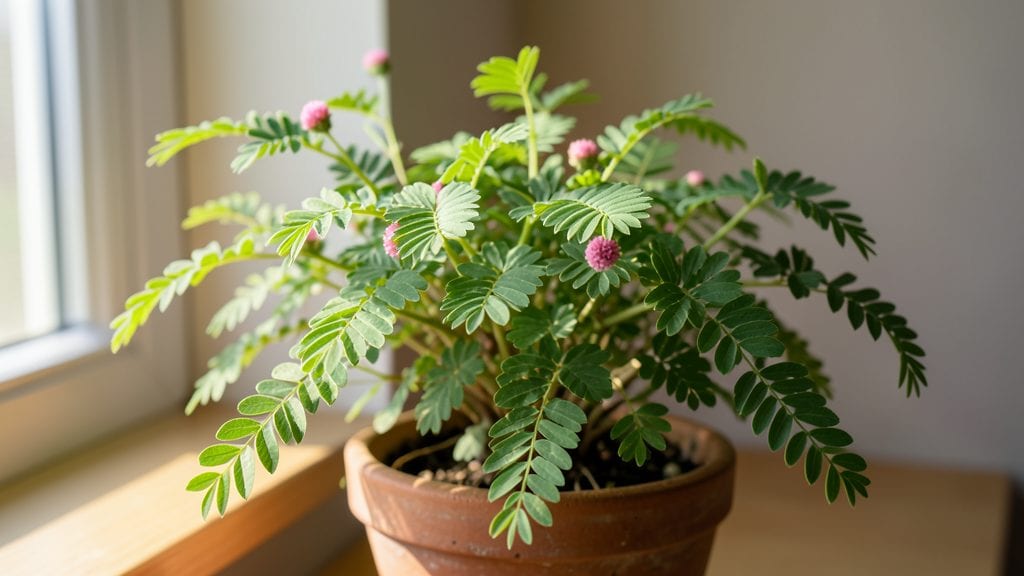
A tree that sounds like you is the willow, whose flexible branches create whispering, rustling noises when wind passes through them, mimicking human speech patterns. This enchanting 'whispering willow' effect makes it a mesmerizing focal point for gardens and landscapes.
The willow's signature sound comes from its long, slender branches that sway dramatically in even light breezes. 🌿 Unlike rigid trees, willows have non-woody stems that bend easily, allowing wind to flow through them like a natural flute.
The more leaves and twigs a willow has, the richer and more complex its "conversation" becomes—almost like a forest of secret keepers. Planting one near a patio or water feature amplifies the effect, creating an immersive soundscape that feels like nature's own lullaby.
What makes whispering willows especially magical is their adaptability. They thrive in moist soil—perfect for pond edges or damp gardens—while their roots can also survive in urban conditions if given enough space.
For maximum rustling, choose varieties like Salix babylonica (weeping willow) or Salix alba, both known for their dramatic growth habits and acoustic charm. Just be prepared for their branches to grow 1-3 feet per year—they're not shy about claiming space!
💡 In This Article
- How Whispering Willow Trees Create Their Mystical Sounds
- Best Whispering Willow Varieties for Your Garden
How whispering willow trees create their mystical sounds
The whispering effect in willows begins with their exceptional branch flexibility. Unlike most trees with rigid stems, willows have non-lignified (softwood) branches that can bend up to 90 degrees without breaking.
This flexibility allows wind to pass through the branches like air through a reed instrument, creating vibrations that resonate as whispers. The average weeping willow branch can sway 10-15 feet in strong winds, while smaller varieties like Salix caprea (goat willow) produce shorter, sharper rustles.
The key to the sound's complexity lies in the leaf and twig density. Willow leaves—typically 3-6 inches long—are arranged along branches in a way that creates turbulence when wind flows through them.
Each leaf acts like a tiny soundboard, amplifying frequencies between 100-500 Hz, which our ears perceive as human-like murmurs.
Moisture plays a critical role too: dew or light rain increases branch weight, slowing sway and producing deeper, more melodic sounds. 🌿 Compare this to bamboo, whose hollow stems create higher-pitched whistles (500-1,000 Hz) or poplars, which rustle more harshly due to their rougher bark.
Scientifically, this phenomenon involves aeroacoustics—the study of sound generated by airflow. When wind hits a willow's flexible branches, it creates vortex shedding, where alternating low-pressure zones form behind the moving branch, producing rhythmic pulses.
The more branches and leaves, the more these pulses overlap, mimicking the cadence of human speech. This is why mature willows with 20+ years of growth sound more "conversational" than younger trees.
Urban planners often use willows near water features because moisture enhances the acoustic effect. The humidity gradient between dry air and damp foliage creates additional sound reflections, while nearby water surfaces act as natural amplifiers.
For example, a 20-foot-tall weeping willow planted 5 feet from a pond can produce whispers audible up to 100 feet away—a phenomenon called "acoustic focusing." This makes willows ideal for meditation gardens or outdoor dining areas where ambient soundscapes are desired.
What most people don't realize is that the root system also influences the sound. Willow roots grow aggressively, often spreading 3-5 times wider than the canopy, which stabilizes the tree while allowing branches to move freely.
This root-branch dynamic creates a resonant feedback loop, where vibrations travel from leaves to roots and back, enriching the overall sound. In contrast, trees like oaks or maples produce only brief rustles because their rigid branches can't sustain continuous airflow.
For maximum whispering potential, plant willows where they'll receive 4-6 hours of sunlight daily and keep soil consistently moist (but not waterlogged). Prune branches in late winter to encourage new, flexible growth—older wood becomes stiffer and less sonorous.
With proper care, your willow could become a living sound artist, turning every breeze into a symphony of nature's secrets. ✨