
Watering
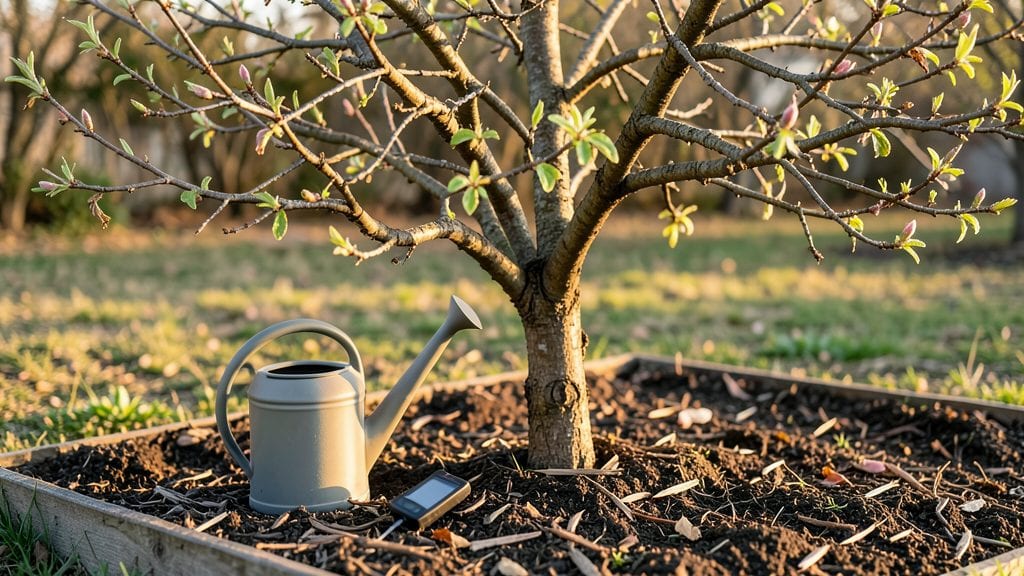
This underwatered peach tree of yours isn’t beyond saving—its wilting branches are just begging for a drink. 🌱 I’ve revived plenty that looked finished, and the solution is easier than you’d expect: test the soil, tweak your watering depth, and keeping roots consistently damp without drowning them.
The first sign you’re underwatering is leaves that curl at the edges or feel brittle when touched. Stick your finger 2-3 inches into the soil—if it’s drier than a summer afternoon, that’s your answer.
Most peach trees need 1-2 inches of water per week, but young trees or hot climates demand more. The key is deep, slow watering that reaches the roots, not quick surface sprinkles.
Within 7 days of proper watering, you’ll see leaves perk up and new growth emerge. Mulch helps retain moisture, and a 5-gallon bucket of water applied once a week (or twice in extreme heat) keeps roots happy.
The secret? Consistency—peach trees hate dry spells but also despise soggy roots, so aim for damp, not swampy.
Long-term, monitor soil moisture weekly and adjust for your climate. A healthy peach tree drinks deeply but steadily, and with the right routine, your branches will be lush and loaded with fruit before you know it.
Root Causes of Water Stress
Understanding why your peach tree might be underwatered starts with digging deeper—literally. Peach trees (Prunus persica) are shallow-rooted yet surprisingly resilient, but when their water needs aren’t met, they send distress signals. Here’s why dehydration happens, broken down into the most common culprits:
Peach trees thrive in well-draining but moisture-retentive soil with a pH between 6.0 and 7.0. When soil lacks organic matter (like compost or mulch), it struggles to hold water, leaving roots parched even after irrigation.
Here’s the science: - Sand-heavy soils drain too quickly, flushing water away before roots absorb it. - Clay soils can hold water but often become waterlogged, suffocating roots and preventing uptake. - Compacted soil (from foot traffic or machinery) blocks oxygen and water flow to fine root hairs, the tree’s primary water-absorbing structures.
Actionable fix: Test your soil’s moisture by digging 6 inches deep—if it’s dry, it’s time to water. Amend soil with 3–4 inches of compost or aged manure to improve retention.
Peach trees despise boom-and-bust watering.
Skipping weekly deep waterings (especially in hot, dry spells) forces roots to scramble for moisture, leading to: - Superficial root growth (only 12–18 inches deep), making them vulnerable to drought. - Osmotic stress, where roots expend energy to extract water from dry soil, weakening the tree. - Leaf scorch (brown edges) or premature leaf drop, as the tree prioritizes survival over fruit production.
Pro tip: 💡 Water deeply 1–2 times per week (not daily shallow sprinkles) to encourage roots to grow downward. Use a soaker hose or drip irrigation to deliver water slowly to the root zone (out to the tree’s drip line).
Peach trees lose up to 90 gallons of water per day in summer through transpiration (water vapor escaping leaves).
When heatwaves strike: - Stomata (leaf pores) close to conserve water, but this halts photosynthesis, causing wilting. - Root zone temperatures above 85°F (29°C) can kill beneficial microbes that help water absorption. - Wind exposure accelerates evaporation, turning soil surface into a desert before water reaches roots.
Combat heat stress: Mulch with wood chips or straw to keep soil 2–3 inches cooler and retain moisture. Water early morning (4–8 AM) to minimize evaporation.
Even with good intentions, misplaced sprinklers or low water pressure can leave peach trees thirsty.
Common pitfalls: - Overhead sprinklers waste water on evaporation and can promote fungal diseases (like brown rot). - Drip lines too close to the trunk (within 6 inches) can cause rot or uneven watering. - Clogged emitters reduce flow, leaving patches of dry soil.
Fix it: Install drip lines 12–18 inches from the trunk and out to the tree’s canopy edge. Check for clogs monthly by flushing the system.
Hidden threats like grubs, nematodes, or gophers can sever roots or create air pockets, disrupting water flow. Signs include:
- Mushroom-like growths (fungal from decaying roots).
- Holes in the soil (rodent activity).
- Sudden wilting despite regular watering.
Defend your tree: Apply neem oil for pests or granular nematode control (like Steinernema carpocapsae). For gophers, use castor oil-based repellents or buried wire mesh.
Pruning too aggressively (especially in late summer) removes leaves that shade the soil, increasing water loss. Additionally:
- Damaged roots from construction or tilling can’t absorb water efficiently.
- Competing plants (like aggressive grasses) steal moisture and nutrients.
Solution: Prune in late winter/early spring and keep a 3-foot "no-dig" zone around the tree. Remove weeds within the drip line to reduce competition.
How to solve it
An underwatered peach tree can feel like a slow-motion tragedy—wilting leaves, cracked soil, and fruit that never quite reaches its potential. But the good news? Most cases of drought stress are reversible with the right approach.
Below, we’ve mapped out practical solutions tailored to the most common causes of dehydration, plus prevention tips to keep your tree thriving long-term. Let’s turn that parched peach tree back into a lush, productive powerhouse!
If your tree’s soil is bone-dry or only moist at the surface, it’s time to hydrate like a pro. Peach trees have deep roots, so superficial watering won’t cut it.
🔥 How to Do It Right
- Water deeply and slowly: Use a soaker hose or drip irrigation to deliver water gradually over 30–60 minutes. Aim for 1–1.5 inches of water per week (more in extreme heat).
- Target the root zone: Focus water at the drip line (the edge of the tree’s canopy) and work outward. Avoid wetting the trunk or leaves to prevent disease.
- Check soil moisture: Stick your finger 3–4 inches into the soil. If it’s dry, water again. Use a moisture meter for accuracy.
💡 Pro Tip
Morning is the best time to water—it reduces evaporation and gives roots time to absorb moisture before the heat of the day. If you must water in the evening, avoid overhead sprinklers to prevent fungal issues.
Mulch isn’t just for looks—it’s a game-changer for retaining moisture, regulating soil temperature, and suppressing weeds. If your tree is underwatered, mulch could be the missing link.
🍳 How to Mulch Correctly
- Choose the right material: Use organic mulch like wood chips, straw, or shredded bark. Avoid plastic or rocks—they don’t help with moisture retention.
- Apply a 2–4 inch layer: Spread mulch in a donut shape around the tree, keeping it 3–4 inches away from the trunk to prevent rot.
- Replenish as needed: Mulch breaks down over time, so top it up every few months to maintain its effectiveness.
✨ Bonus Hack
Mix compost into the mulch to improve soil structure and water retention. This combo is like a moisture-locking blanket for your peach tree’s roots!
Peach trees don’t like boom-and-bust watering. Inconsistent hydration leads to shallow roots and stress. Here’s how to get it right:
📊 When and How Often to Water
| Season | Watering Frequency | Depth |
|---|---|---|
| Spring (Active Growth) | 2–3 times per week | 6–12 inches deep |
| Summer (Heatwave) | Daily or every other day | 12+ inches deep |
| Fall (Preparing for Winter) | Weekly (reduce as temps drop) | 6–8 inches deep |
| Winter (Dormant) | Minimal (only if soil is bone-dry) | Surface-level |
🎯 Prevention Tip
Install a rain gauge near your tree to track natural rainfall. If you get 1 inch of rain per week, you can cut back on supplemental watering. No gauge? Use a tuna can as a DIY measure!
If your peach tree is sitting in compacted or clay-heavy soil, water runs off instead of soaking in. This is a common culprit for chronic underwatering.
🔪 How to Improve Drainage
- Test your soil: Dig a hole 12 inches deep. If water pools or drains slower than a few hours, you’ve got poor drainage.
- Amend the soil:
- Mix in compost or aged manure to improve structure.
- Add perlite or coarse sand (for clay soil) to create air pockets.
- Consider raised beds: If drainage is severe, planting in a raised bed with well-draining soil can save your tree.
💡 Long-Term Solution
Plant cover crops like clover or vetch in the off-season. Their roots break up compacted soil, improving water penetration over time.
If your peach tree is already wilting or dropping leaves, it may need a quick intervention to prevent permanent damage.
⏰ Step-by-Step Rescue Plan
- Step 1: Water immediately: Give the tree a deep soak (1–2 gallons for small trees, up to 10+ gallons for mature ones).
- Step 2: Prune damaged foliage: Trim brown, crispy leaves to redirect energy to healthy growth. Use sterilized pruners to avoid spreading disease.
- Step 3: Apply a root stimulator: Use a natural root booster (like seaweed extract or mycorrhizal fungi) to help roots recover faster.
- Step 4: Monitor closely: Check soil moisture daily for the next week. If leaves don’t perk up within 3–5 days, the tree may be beyond saving.
🚨 Warning Signs It’s Too Late
If the tree’s branches are brittle, the bark is splitting, or the leaves are black and mushy (not just dry), it may have suffered irreversible damage. In this case, focus on preventing the issue in future plantings.
Frequently asked questions
How do I know if my peach tree is truly underwatered?
Check for crispy leaf edges, leaves curling downward, or soil that's dry 2-3 inches deep. Another telltale sign is when leaves fall off easily—they should resist gentle tugging if properly hydrated. Compare both sides of the tree for uneven watering patterns.
Can I overwater a peach tree after it's been underwatered?
Yes, but do it gradually. Start with 1-2 gallons of water and monitor drainage. If water pools around the roots, reduce frequency. Peach trees prefer consistently moist (not soggy) soil—aim for 1-1.5 inches per week during growth seasons.
What's the best time of day to water an underwatered peach tree?
Early morning (before 8 AM) is ideal—it reduces evaporation and gives roots time to absorb moisture. Avoid evening watering, as damp foliage overnight can invite fungal diseases like brown rot. If you must water later, use drip irrigation to keep leaves dry.
Will my peach tree recover if it's been underwatered for weeks?
Possibly, but act fast! Start with deep watering (5 gallons for mature trees) and monitor daily. If leaves are completely brown and brittle, recovery is unlikely. Young trees (under 3 years) bounce back faster than older ones with established root systems.
How can I prevent future underwatering issues?
Install drip irrigation or a soaker hose at the tree's drip line, and mulch with 3-4 inches of wood chips. Check soil moisture weekly by sticking your finger 3 inches deep—if dry, water immediately. Consider a rain gauge to track natural watering.