
Watering
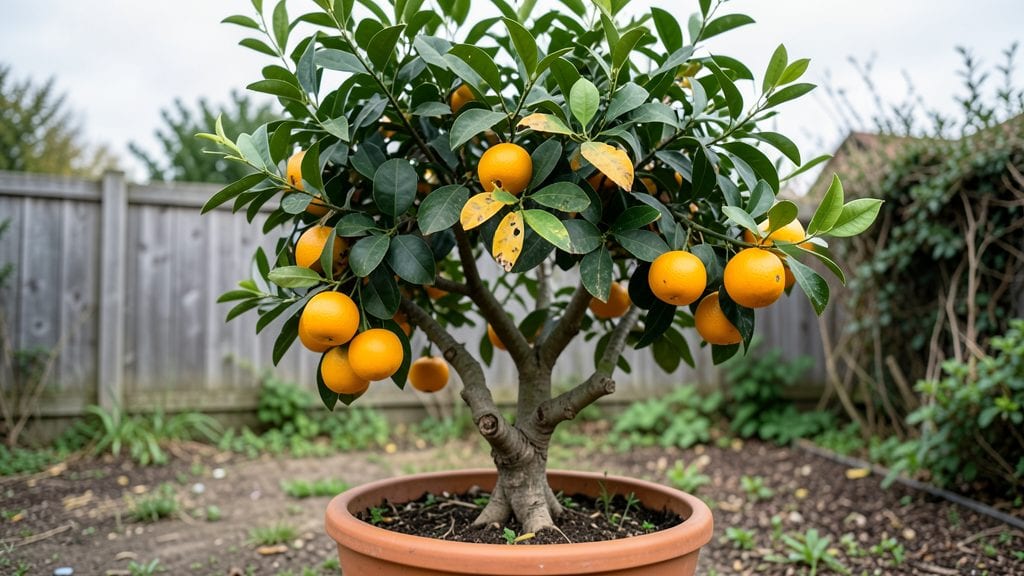
Watering an orange tree 🍊 correctly is the secret to sweet fruit and a healthy, long-lived plant—too much or too little throws everything off.
Struggling to keep your orange tree alive and producing juicy fruit? The key lies in mastering a seasonal watering schedule—too little or too much can mean the difference between a lush, bearing tree and a struggling sapling.
In USDA Zone 9b, where winter is mild but summers can be brutal, your tree’s needs shift dramatically. Young trees crave consistent moisture, while mature ones store water better—but even they’ll wilt if ignored during heatwaves.
Below, I break down the exact schedule for your climate, how to spot over- or underwatering, and the one trick that saves my trees every summer.


Seasonal watering schedule for orange trees by climate zone
Mastering the seasonal watering schedule for your orange tree is crucial—citrus trees thrive with consistent moisture but drown in waterlogged soil. Your climate zone dictates the rhythm: hot/dry regions demand frequent, deep watering, while temperate zones need adjustments for rainy seasons.
Even Mediterranean climates with mild winters and dry summers require strategic hydration. Let’s break it down by zone so you can keep your tree lush and fruit-bearing year-round.
First, understand that orange trees hate soggy roots but also wilting stress. The key is deep, infrequent watering that encourages strong root growth.
In containers, roots dry out faster, so you’ll need to water 2-3 times weekly in summer, while in-ground trees can stretch to 7-10 days between waterings. Always check the top 2-3 inches of soil—if it’s dry, it’s time to water.
Pro tip: Morning watering (before 10 AM) reduces evaporation and fungal risks like citrus blight.
🌱
| Climate Zone | Season | Watering Frequency | Depth per Session | Key Adjustments |
|---|---|---|---|---|
| Hot/Dry (e.g., Arizona, California Desert) | Spring | Every 3-4 days | 10-15 gallons (in-ground) | Increase to daily if temps exceed 95°F |
| Hot/Dry | Summer | Every 2-3 days | 15-20 gallons (in-ground) | Use drip irrigation to avoid leaf burn |
| Hot/Dry | Fall | Every 5-7 days | 8-10 gallons (in-ground) | Reduce as temps drop below 80°F |
| Hot/Dry | Winter | Every 10-14 days | 5-8 gallons (in-ground) | Only water if soil is bone-dry |
| Temperate (e.g., Florida, Georgia) | Spring | Every 5-7 days | 12-15 gallons (in-ground) | Monitor for rainfall—adjust if >1 inch/week |
| Temperate | Summer | Every 3-5 days | 15-20 gallons (in-ground) | Mulch to retain moisture and cool roots |
| Temperate | Fall | Every 7-10 days | 10-12 gallons (in-ground) | Reduce as leaf drop begins |
| Temperate | Winter | Every 14-21 days | 3-5 gallons (in-ground) | Protect from freezing winds with burlap |
| Mediterranean (e.g., Southern California, Spain) | Spring | Every 4-6 days | 10-12 gallons (in-ground) | Watch for spring rains—skip if soil is saturated |