
Watering
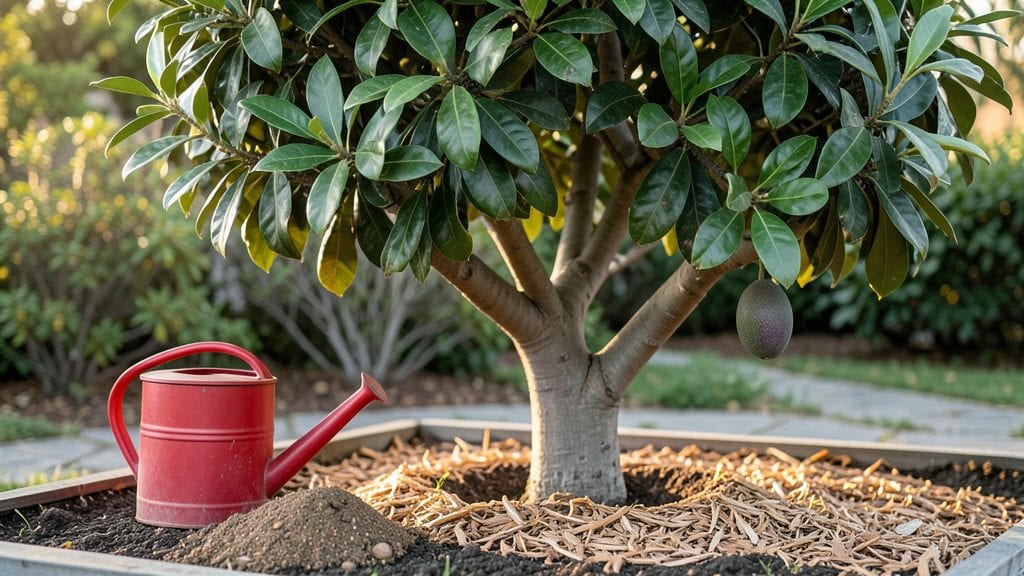
Watering avocado trees 🥑 is the single most critical factor in growing a healthy, fruit-bearing plant—get it wrong, and you’ll end up with yellowing leaves or root rot.
Struggling to keep your avocado tree thriving? The secret to lush, fruit-bearing growth lies in mastering its watering needs—too much or too little can spell disaster for this tropical beauty. Unlike drought-resistant succulents, avocados demand consistent moisture without becoming waterlogged.
This guide cuts through the guesswork, showing you exactly how often to water based on your tree’s age, soil type, and climate. We’ll cover the telltale signs of over- or under-watering, plus pro tips for container vs. in-ground trees that save time and stress.
By the end, you’ll know the exact schedule for your zone, how to adjust for summer heatwaves, and why morning watering makes all the difference. No more second-guessing—just a thriving avocado tree that rewards your effort with creamy, delicious fruit.


How often to water avocado trees based on soil and climate
Avocado trees thrive on consistent moisture but despise soggy roots—balancing these needs is key to their health. As a tropical plant, they mimic their native humid climates, requiring deep, infrequent watering rather than shallow daily doses.
The frequency shifts dramatically based on your soil type, tree age, and local climate, making a one-size-fits-all approach a recipe for failure.
Young avocado trees, especially those under 3 years old, need more frequent watering because their root systems are still shallow. Mature trees, with roots extending 3-5 feet deep, can handle longer dry spells.
Meanwhile, sandy soil drains quickly and demands daily checks, while clay soil holds moisture longer, reducing watering needs by half. Let’s break down the science behind these differences so you can tailor your watering schedule like a pro.
| Tree Stage | Soil Type | Climate Zone | Watering Frequency | Water Amount |
|---|---|---|---|---|
| Young (<3 yrs) | Sandy | Arid (e.g., Arizona) | Every 2-3 days | 1-2 gallons (deep soak) |
| Young (<3 yrs) | Clay | Humid (e.g., Florida) | Every 5-7 days | 1 gallon (avoid saturation) |
| Mature (3+ yrs) | Sandy | Mediterranean (e.g., California) | Weekly (deep water) | 5-10 gallons |
| Mature (3+ yrs) | Clay | Tropical (e.g., Hawaii) | Every 10-14 days | 3-5 gallons |
| Container-Grown | Any | Indoor/Outdoor | Every 2-5 days | 1-2 gallons (drain excess) |
In arid climates like Arizona or Southern California, avocado trees face rapid evaporation and poor soil retention. Here, young trees need watering every 2-3 days in sandy soil, while mature trees can stretch to weekly deep waterings. The trick?
Water early in the morning to let foliage dry before evening, reducing fungal risks like root rot. I’ve seen trees in these zones thrive with drip irrigation systems set to deliver 1-2 gallons per session for young trees and 5+ gallons for mature ones.
Humid climates, such as Florida or Louisiana, present a different challenge: excess moisture can suffocate roots. In clay soil, which holds water longer, you’ll water young trees every 5-7 days and mature trees every 10-14 days. Always check soil moisture by sticking your finger 2-3 inches deep
Signs your avocado tree is overwatered or underwatered (and how to fix it)
Avocado trees thrive on balance—too much or too little water can turn your tropical beauty into a struggling plant. Yellowing leaves, drooping branches, and mushy stems are red flags, but they often point to different moisture issues.
The key is learning how your tree communicates its needs through subtle (and not-so-subtle) signs. I’ve seen root rot destroy healthy trees in just weeks, while others wilt dramatically from drought stress. Let’s decode these signals so you can rescue your avocado before it’s too late.
Start by checking the soil moisture—stick your finger 2-3 inches deep. If it’s damp, you’re likely overwatering; if dry, it’s time to hydrate.
Young trees need more frequent watering, while mature ones can handle longer dry spells. Container-grown avocados dry out faster than in-ground trees, so adjust your schedule accordingly. Remember, avocado roots need oxygen—waterlogged soil suffocates them, leading to irreversible damage.
Black, mushy roots and a sour smell from the soil mean root rot has set in. If you spot these signs, act immediately:
- Stop watering completely for 3-5 days
- Repot in fresh, sterile soil with perlite
- Trim rotted roots with sterilized shears
- Apply fungicide (copper-based) to prevent spread
One of the first signs of overwatering is yellowing leaves that start at the bottom of the tree. Unlike nutrient deficiencies, these leaves stay yellow (not green with yellow spots) and feel soggy to the touch.
If you also notice mold or fungus on the soil surface, your tree is drowning. Leaf drop is another classic overwatering symptom—healthy avocado leaves rarely fall without cause. To fix this, reduce watering to once every 7-10 days and improve drainage by adding sand or perlite to the soil.
Underwatered avocado trees show crispy, brown leaf edges and wilting that doesn’t bounce back, even in the morning. The leaves may also curl inward to conserve moisture, and the tree’s growth will stall.
If you’ve missed watering for more than a week, the roots may have retreated deep into the soil—soak the area slowly but deeply to encourage them to rehydrate. For container trees, submerge the pot in water for 10-15 minutes to ensure full saturation.
Don’t ignore new growth issues—if your avocado tree stops producing leaves or flowers, it’s a cry for help. Stress from water imbalance diverts energy away from growth, leaving your tree vulnerable to pests.
To revive it, adjust your watering routine: deep water 2-3 times per week in summer and reduce to weekly in cooler months. Pair this with a balanced fertilizer (like 6-6-6 NPK) to restore energy reserves. Mulch around the base with wood chips to retain moisture and regulate soil temperature.
Pro tip: Use a moisture meter to avoid guesswork—aim for 40-60% moisture in the root zone. For in-ground trees, dig a small hole near the trunk and check the soil’s texture.
If it crumbles easily, it’s time to water; if it sticks together, hold off. Mature trees in well-draining soil can go 10-14 days without water, while container trees may need daily checks in summer heat.
Pay attention to your tree’s seasonal needs—drought tolerance increases in winter, but don’t let the soil dry out completely.
If your avocado tree is struggling, start with a soil test to check pH and drainage. Ideal soil should be slightly acidic (6.0-7.0) and well-aerated. Amend heavy clay soil with compost and coarse sand, and avoid compacting the root zone when watering.
With the right balance, your avocado tree will reward you with glossy leaves, vigorous growth, and—if you’re lucky—juicy, homegrown fruit. 🥑