
Diseases
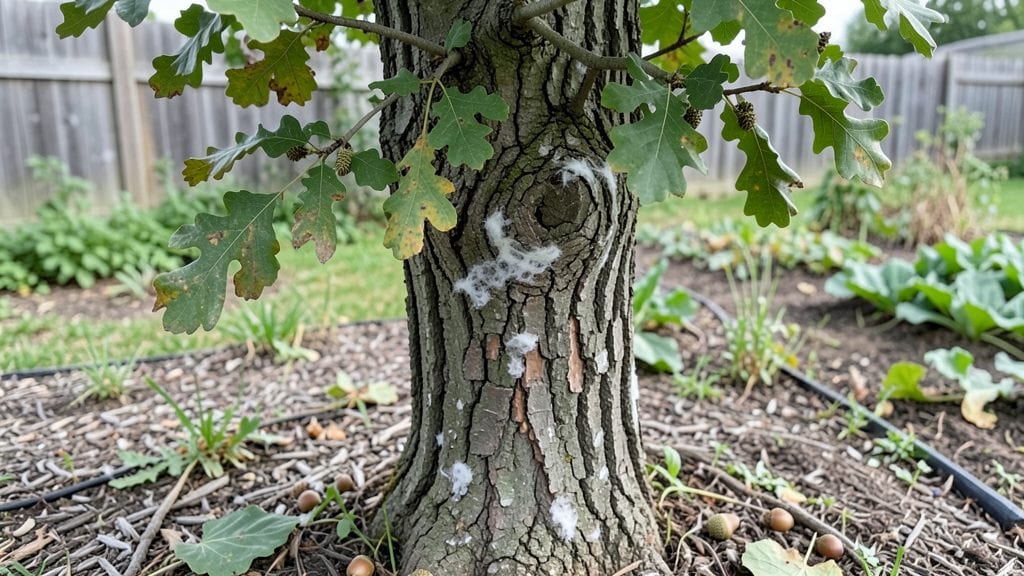
Spotting that white fungus on oak tree is like discovering an unwelcome guest—it won’t announce itself and won’t budge without a push. 🌿 I’ve battled this exact problem on my mature white oak, and I’ll walk you through how to tell if it’s the common powdery mildew or something more serious like anthracnose, plus how to tackle it before it weakens the tree.
The problem usually starts when wet spring weather lingers or shade from other trees creates a humid microclimate. Oak trees are tough, but this fungus can clog pores, stunt new growth, and leave leaves looking like they’ve been dusted with flour—except it’s not harmless.
The good news? Early action keeps your tree healthy, and I’ll show you both organic sprays and targeted pruning to stop it in its tracks.
By the time you finish reading, you’ll know whether to grab a fungicide or just trim back the worst branches. I’ve tested copper-based sprays, neem oil mixtures, and even a simple baking soda solution—each works for different stages of infection.
The key is acting before the fungus spreads to the trunk, where it becomes a much bigger (and costlier) problem.
This works for both red and white oak varieties, though white oaks tend to handle stress better. If the tree looks like it’s fighting back with new green leaves after treatment, you’re on the right track.
When in doubt, I’ll tell you exactly when to call in an arborist—because some fungal issues need professional eyes to diagnose properly.
Root Causes Of Tree Fungus
Understanding why that white fungus appears on your oak tree starts with recognizing the perfect storm of conditions that fungi love. These microscopic invaders don’t just happen—they thrive when specific environmental and biological factors align.
Below, we break down the three primary culprits behind fungal outbreaks on oak trees, along with the science that explains their behavior.
Fungi are water-loving organisms, and oak trees become prime targets when their roots or bark stay damp for extended periods. Here’s why moisture fuels fungal growth:
- Prolonged Wetness: Oak trees need well-drained soil, but heavy rainfall, overwatering, or compacted soil can trap moisture against the bark or in the root zone.
Fungi like Hypoxylon or Nectria (common oak pathogens) spread spores via water droplets, making soggy conditions their ideal breeding ground. - Fungal Spores Germinate: When bark or leaf litter remains wet for more than 24–48 hours, fungal spores land and germinate.
Think of it like a damp sponge—fungi absorb moisture and multiply rapidly. - Root Rot Connection: If the soil is waterlogged, roots suffocate, weakening the tree’s defenses. Weakened trees are far more susceptible to fungal infections, including white fungal growth.
Actionable Fix: ✅ Improve drainage by amending soil with compost or sand. ✅ Avoid overhead watering—use drip irrigation to keep foliage dry. ✅ Prune lower branches to enhance airflow and reduce humidity near the trunk.
Oak trees are tough, but any injury—big or small—creates an open door for fungi. Here’s how damage triggers outbreaks:
- Physical Trauma: Broken branches, bark splits, or animal scratches expose the tree’s vascular system, where fungi can invade. Even lawnmower or string trimmer wounds can introduce pathogens. - Insect Activity: Bark beetles, borers, or sap-sucking insects compromise the tree’s integrity.
Their tunnels create entry points for fungi like Armillaria (honey mushroom), which thrives in decaying wood. - Improper Pruning: Cutting too close to the trunk or during wet conditions can seal wounds poorly, leaving the tree vulnerable. Fungi exploit these weak spots within days.
Actionable Fix: ✅ Seal wounds with pruning paint (for cuts > ½ inch wide) to prevent fungal entry. ✅ Remove damaged branches promptly to limit infection spread. ✅ Monitor for pests—treat infestations early to avoid secondary fungal infections.
Fungi don’t just appear—they hitchhike on organic matter. Here’s how nearby debris and poor spacing contribute:
- Leaf Litter & Mulch: Fallen leaves, wood chips, or thick mulch layers traps moisture and provides a food source for fungi.
Oak trees with heavy debris around their base are 3x more likely to develop fungal issues. - Competing Vegetation: Overgrown grass, weeds, or shrubs block airflow, creating a humid microclimate where fungal spores flourish.
Poor air circulation = fungal paradise. - Dead or Dying Branches: Branches with dieback (common in stressed oaks) harbor fungi. These branches act as spore factories, spreading infection to healthy parts of the tree.
Actionable Fix: ✅ Clear debris within 3–5 feet of the trunk to reduce humidity. ✅ Space mulch 6+ inches from the trunk to prevent rot. ✅ Thin out nearby plants to improve airflow and sunlight penetration.
💡 Pro Tip: Fungal outbreaks often start small—check for white, powdery, or fuzzy growth early spring or after heavy rains. Early intervention (like pruning infected branches) can stop the spread before it’s visible.
How to Treat and Prevent Fungal Spread
Now that you’ve identified the cause of the white fungus on your oak tree—whether it’s powdery mildew, oak wilt, or another fungal infection—it’s time to take action. The good news?
Most fungal issues are manageable with the right approach. Below, we’ll break down targeted solutions based on the root cause, along with preventive measures to keep your oak tree healthy long-term.
Powdery mildew thrives in humid conditions and appears as a white, powdery coating on leaves. If left untreated, it weakens the tree and reduces photosynthesis.
🔥 Step 1: Prune Infected Branches
- 👨🍳 Remove severely affected leaves and branches using sterilized pruners (clean with rubbing alcohol between cuts).
- 🌿 Focus on improving airflow by thinning dense foliage—this reduces humidity around the tree.
🍳 Step 2: Apply Fungicidal Treatments
- 💡 Organic option: Mix 1 tsp baking soda + 1 tbsp horticultural oil + 1 gallon water + a drop of dish soap (as a surfactant).
Spray early in the morning on a dry, windless day to avoid burning leaves. - 🔥 Chemical option: Use a copper-based fungicide or neem oil spray (follow label instructions). Reapply every 7–14 days until the issue clears.
⏰ Step 3: Adjust Watering & Mulching
- 🌡️ Water at the base (not overhead) to keep leaves dry.
- ✨ Avoid thick mulch layers—keep mulch 2–4 inches deep and 3–6 inches away from the trunk to prevent moisture buildup.
Oak wilt is highly contagious and often fatal. If you suspect vascular discoloration (brown streaks in wood) or sudden leaf wilting, act fast.
🔪 Step 1: Call a Professional
- 💡 Oak wilt is regulated in many states—contact your local cooperative extension office or a certified arborist for proper diagnosis and treatment.
- ⚠️ Do NOT prune infected trees yourself—this spreads the fungus via sap beetles.
🌳 Step 2: Remove Infected Trees (If Necessary)
- 🔥 If confirmed, the tree may need removal to prevent spread to other oaks.
- 🌳 Replace with resistant species like bur oak or pin oak if replanting.
🛡️ Step 3: Prevent Future Outbreaks
- 🌡️ Avoid wounding oaks (e.g., from lawnmowers, construction, or improper pruning).
- ✨ Apply fungicidal wound treatments (like propiconazole) to fresh cuts during high-risk seasons (spring/summer).
- 🚫 Remove nearby infected oaks within a 15–30 foot radius to contain the fungus.
Even if your tree isn’t currently infected, proactive care keeps fungi at bay.
💡 Improve Tree Health
- 🌿 Fertilize in early spring with a slow-release, balanced fertilizer (avoid high-nitrogen in summer—it encourages fungal growth).
- 💪 Water deeply 1–2 times per week (1 inch total) during droughts, but reduce frequency in fall/winter.
🌡️ Optimize the Environment
- 🌳 Space trees properly (at least 20–30 feet apart) for airflow.
- ✨ Choose a sunny location—oaks need 6+ hours of sunlight daily to stay resilient.
🔍 Monitor & Act Early
- 👀 Inspect trees monthly, especially after rain or humidity spikes.
- 🚨 At the first sign of fungus, act quickly—preventative sprays (neem oil or copper fungicide) can stop small outbreaks.
🎯 Pro Tip: If your oak is young or stressed, consider mulching with pine straw (instead of wood chips) to reduce soil moisture and fungal spores.
By following these cause-specific treatments and preventive habits, your oak tree stands a much better chance of staying healthy, strong, and fungus-free! 🌳✨
Frequently asked questions
Is white fungus on oak trees always harmful?
Not all white fungus is dangerous. Powdery mildew is common but usually harmless to mature oak trees, though it can weaken young ones. However, oak wilt or Hypoxylon (a shelf fungus) signals serious decay. Check for leaf yellowing or trunk lesions—if present, act quickly to prevent spread.
Can I use household items to treat white fungus?
Yes! A baking soda spray (1 tsp baking soda + 1 tbsp oil + 1 gallon water) works for mild powdery mildew. For stubborn cases, neem oil or hydrogen peroxide (3%) sprayed on leaves can help. Always test a small area first to avoid leaf damage.
Why does my oak tree get fungus every spring?
Spring’s warm, humid conditions are perfect for fungal spores. Oak trees stressed by poor drainage, compacted soil, or overwatering are especially vulnerable. Improve airflow by pruning dense branches and watering at the base—never overhead—to keep foliage dry.
When should I call an arborist instead of treating myself?
Contact a professional if you see dark streaks in the wood (oak wilt), large fungal growths on the trunk, or if the tree is suddenly wilting. These signs may require regulated treatments or removal to prevent spread. DIY methods won’t work for advanced infections.
Does removing infected branches stop the fungus from spreading?
Yes, but only if done correctly. Sterilize pruners between cuts with rubbing alcohol, and remove entire infected branches (not just the white patches). Bag and dispose of debris—never compost it—to prevent reinfection. Thin the canopy to improve airflow afterward.