
Blooming
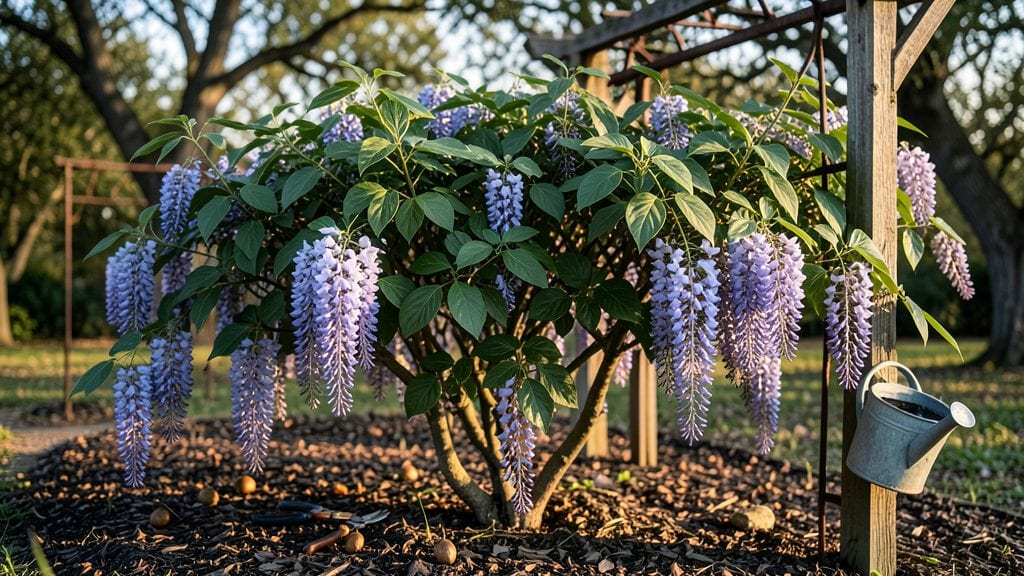
Your wisteria tree’s bloom is the star of spring gardens—but only if you prune it right. 🌸 Without the correct cuts, those fragrant purple cascades can turn into a sparse, leggy mess, no matter how much you water or fertilize.
I’ve watched wisteria vines go from a lush, flower-covered curtain to a tangled skeleton in just two years—all because of one simple pruning mistake. The good news? With the right timing and technique, you can coax longer, denser blooms year after year, even if your vine is already overgrown.
Here’s what you need to know: when to cut (and when to stop), which tools make the difference, and the one pruning rule that 90% of gardeners get wrong.
Skip ahead to the step-by-step guide if you’re eager, but first, let’s fix the mistakes that kill blooms before they even start.
By the end, you’ll have a wisteria that bursts into vibrant spring color—not just once, but for seasons to come. Ready to transform your vine into a flowering powerhouse?
When and how to prune wisteria for maximum blooms
Timing is everything when it comes to pruning wisteria for those lush, cascading blooms. Most gardeners make the mistake of pruning at the wrong time, which can reduce next year’s flowers or even kill new growth.
The key is to prune after flowering and before dormancy, but with a few extra steps to encourage longer, denser flower clusters.
Wisteria blooms on old wood, meaning the flower buds form on last year’s growth. If you cut back too aggressively in the wrong season, you’ll sacrifice next year’s blooms.
My secret? A two-phase pruning approach—first to shape the vine, then to stimulate new growth for future flowers. Let’s break it down into clear, actionable steps.
Step-by-Step Wisteria Pruning for Maximum Blooms
-
Step 1: Prune Immediately After Flowering (Late Spring/Early Summer)
Remove dead or weak growth first. Cut back any overcrowded branches to improve air circulation. Use clean, sharp pruners to make 45-degree cuts just above a leaf bud or lateral branch.
-
Step 2: Thin Out Excessive Growth (Mid-Summer)
Select 3-5 strong, healthy stems to keep as your main framework. Remove thin, leggy growth that competes for nutrients. This step ensures energy focuses on blooming rather than excessive foliage.
-
Step 3: Light Pruning Before Dormancy (Late Fall)
Trim back only 1/3 of the current year’s growth to encourage next year’s blooms. Avoid heavy cuts—this is about shaping, not reducing. Remove any diseased or damaged wood to prevent winter rot.
-
Step 4: Winter Dormancy Check (Early Spring)
Inspect for dead wood or frozen tips. Prune out any blackened or brittle branches before new growth begins. This keeps the vine healthy and vigorous for the next blooming cycle.
-
Step 5: Post-Bloom Maintenance (Early Summer)
After flowers fade, cut back spent blooms to encourage new flower buds. Use pruning shears to trim just above the first set of leaves. This stimulates longer, denser clusters next season.
One of the biggest mistakes I see is pruning wisteria in late winter or early spring before buds swell. This removes next year’s flower buds entirely. Always wait until after flowering to prune—this ensures you’re preserving old wood where buds form.
For young wisteria plants (under 3 years old), focus on light shaping rather than heavy pruning. Let them establish a strong framework first. I’ve seen gardeners over-prune young vines, which stunts growth and delays blooming for years. Patience is key!
Pro tip: Label your cuts if you’re unsure which branches are old wood versus new growth. Use a plant marker to track stems that consistently produce blooms—these are your keeps. Over time, you’ll learn which branches are your best bloomers and prioritize them.
If your wisteria isn’t blooming well, check your pruning timing first. Even a 1-2 week delay can shift the blooming cycle. For example, pruning in early June instead of late May might push flowers to late summer instead of spring. Timing directly impacts bloom density and cluster length.
Finally, feed your wisteria after pruning to support new growth. A balanced fertilizer (like 10-10-10) applied in early spring gives the plant the nutrients it needs to produce abundant blooms. I’ve found that well-fed wisteria not only blooms more heavily but also resists pests better.
With the right timing and technique, your wisteria will reward you with longer, more dramatic blooms every year. Just remember: prune after flowering, preserve old wood, and avoid heavy cuts in winter. Your future blooms will thank you! 🌸
Best pruning tools and techniques for wisteria vines
Pruning wisteria vines isn’t just about cutting back—it’s about encouraging healthy growth and maximizing those stunning blooms. The right tools and techniques make all the difference, especially when dealing with thick, woody stems.
Without proper equipment, you risk damaging the vine or accidentally removing next year’s flower buds. Let’s dive into the essentials to keep your wisteria thriving.
First, avoid using hedge trimmers or dull shears—they tear rather than cleanly cut. Instead, invest in sharp bypass pruners for smaller branches and a pruning saw for thicker stems.
For large-scale pruning, a polesaw lets you reach high branches safely. Always disinfect your tools with rubbing alcohol to prevent spreading disease between cuts.
Cutting angles matter too. Make 45-degree slants just above a bud or lateral branch to promote new growth. Avoid leaving stubs, which can rot or attract pests. For overgrown vines, focus on removing old, woody stems first—they rarely produce flowers and can choke younger growth.
Seasonal maintenance is key to reviving overgrown wisteria. In late winter (before buds swell), remove dead or crossing branches to improve airflow. During summer, lightly trim overly long shoots to redirect energy to flower production. Never prune after July, as new growth won’t harden off before winter.
For reviving neglected vines, start with a radical pruning in early spring—cut back 50% of the oldest wood to stimulate fresh growth. Pair this with a balanced fertilizer (like 10-10-10) to support recovery. Patience is critical; it may take 2–3 years to see full blooms again after heavy pruning.
Remember, consistency beats intensity. A little pruning each season keeps your wisteria healthy, blooming, and manageable. With the right tools and timing, you’ll enjoy those dreamy cascades of flowers for decades to come.