
Pests
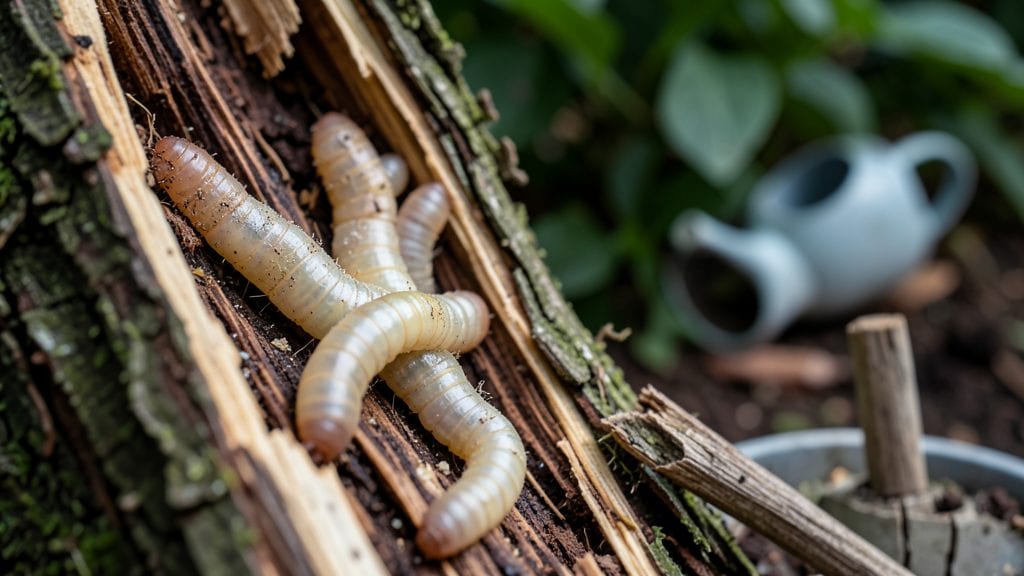
Finding worms inside your tree isn’t just creepy—it’s a warning sign your tree’s health is under attack. 🌳 I’ve dealt with wood-boring beetles and their squiggly larvae turning my oak’s bark into a buffet, and the key is acting fast without killing the tree in the process.
Most people panic and reach for harsh chemicals, but the real solution starts with identifying the damage: look for tiny holes, sawdust-like frass (that’s the beetle poop, trust me), or sudden wilting branches. The good news? Many trees recover if you catch it early—no need for drastic measures.
You’ll learn how to prune infected branches safely, use natural predators like parasitic wasps, and even prevent future infestations with simple bark inspections. By the end, your tree won’t just survive—it’ll thrive again, stronger than before.
Works for oaks, maples, fruit trees, and more—no matter where you live. Let’s save that tree before the worms win.
Root Causes Of Tree Infestations
Discovering worms inside a tree—whether they’re wood-boring beetle larvae, sawfly larvae, or moth caterpillars—can feel like a nightmare for any tree owner. But why does this happen? The answer lies in a mix of environmental factors, tree health, and the natural life cycles of these pests.
Let’s break down the key reasons your tree has become a worm buffet.
🌱 Weakened Tree Defense Systems
Healthy trees are like fortresses, but when they’re stressed, pests move in. Here’s how it happens:
- Nutrient Deficiencies: Trees lacking essential nutrients (like nitrogen, potassium, or magnesium) produce weak sap and soft wood—perfect for worms to burrow into. Think of it like a weak lock on a door.
- Water Stress: Overwatering or drought weakens a tree’s structural integrity. Soggy or parched wood becomes an easy target for larvae.
- Disease or Fungal Infections: Fungi like Armillaria root rot or bacterial infections create decay, which attracts wood-boring pests. Decay = worm paradise.
Actionable Tip: Conduct a soil test and prune dead/diseased branches to restore balance. 💡 A thriving tree is the best pest deterrent!
🐛 Pest Life Cycles & Seasonal Triggers
Most tree worms aren’t random invaders—they’re following a script. Here’s their timeline:
| Pest Type | Trigger | When It Happens |
|---|---|---|
| Wood-Boring Beetles (e.g., Emerald Ash Borer) | Adult beetles lay eggs in bark crevices. | Spring/Summer (larvae hatch in 1-2 weeks). |
| Sawfly Larvae (e.g., Pine Sawfly) | Females saw into needles/bark to deposit eggs. | Early summer (larvae emerge in 7-10 days). |
| Moth Caterpillars (e.g., Gypsy Moth) | Females lay egg masses on leaves/bark. | Late spring (caterpillars hatch and tunnel into wood). |
Key Insight: Most infestations peak in late spring to early summer. ⏰ Timing is everything—monitor trees during this window!
🌳 Environmental Factors Inviting Infestations
Not all trees are equally tempting to worms. These conditions turn your tree into a five-star worm hotel:
- Old or Dead Wood: Standing dead trees (snags) are worm magnets. 🪵 Old wood = all-you-can-eat buffet.
- Poor Air Circulation: Dense foliage or crowded trees trap moisture, creating ideal breeding grounds. 🌧️ Damp = worm-friendly.
- Urban Pollution or Herbicide Use: Chemical stress weakens trees, making them easier targets. 🚫 Less toxic = healthier trees.
- Monoculture Plantings: Large groups of the same tree species (e.g., all oak or all pine) spread pests faster. 🌲 Diversity = natural pest control.
Pro Tip: Thin out overgrown branches and avoid herbicides near tree roots. ✨ A well-aerated tree is a worm’s worst enemy!
🛡️ Human Activities Accelerating Infestations
Sometimes, we’re the reason worms move in. Here’s how:
- Improper Pruning: Deep cuts or wounding bark expose inner wood to pests. ✂️ Clean cuts = faster healing.
- Firewood Storage: Storing untreated wood near trees can introduce beetle eggs. 🔥 Hot tip: Store firewood away from trees!
- Landscaping Damage: Heavy machinery or root compaction stresses trees, making them vulnerable. 🚜 Gentle landscaping = happy trees.
Remember: Every cut or disturbance is a potential entry point. 🎯 Minimize damage to keep worms out!
Natural Ways to Remove Worms
Worms inside a tree—whether they’re wood-boring beetle larvae, carpenterworm grubs, or other tree pests—can weaken its structure and health. But before reaching for harsh chemicals, try these effective, eco-friendly solutions tailored to the cause.
Below, we break down the best fixes for each scenario, plus tips to keep your tree safe long-term.
---
If your tree is infested with beetle larvae, act fast to prevent further damage.
#### 🔥 Step 1: Prune Infested Branches - Use sterilized pruning shears to cut off and remove heavily infested branches. - Burn or bag the cuttings (do not compost) to kill larvae inside. - Pro Tip: 🌡️ Look for D-shaped exit holes (tell-tale sign of bark beetles) or sawdust-like frass near the base.
#### 🍳 Step 2: Apply Beneficial Nematodes - How it works: Microscopic nematodes (Heterorhabditis bacteriophora) infect and kill beetle larvae without harming the tree. - How to use: - Mix 5–10 million nematodes per gallon of water (follow product instructions). - Apply early morning or late evening (they die in direct sunlight). - Water the tree’s root zone and bark crevices thoroughly. - Best for: Softwoods (pine, spruce) and young infestations.
#### 👨🍳 Step 3: Use Kaolin Clay Barrier - How it works: A white, clay-based spray confuses beetles and deters egg-laying. - How to use: - Mix kaolin clay (Surround WP) with water and spray trunk and branches. - Reapply every 2–4 weeks during beetle season (spring–summer). - Bonus: Also repels other pests like aphids and mites!
#### ⏰ Step 4: Encourage Natural Predators - Ladybugs, parasitic wasps, and birds love beetle larvae. - How to help: - Install birdhouses near the tree. - Plant native flowers (like yarrow or milkweed) to attract predator insects. - Avoid pesticides that kill beneficial bugs.
---
These caterpillar-like pests tunnel through soft, decaying wood—common in fruit trees, willows, and ash.
#### 🔪 Step 1: Drill & Drown Larvae - How it works: Larvae are weak against water—drilling holes forces them out. - How to use: - Use a 1/4-inch drill bit to make 1-inch-deep holes in tunnels. - Pour soapy water (1 tsp dish soap per gallon) into holes—this drowns larvae within 24 hours. - Repeat every 2–3 weeks until no more frass (sawdust) appears.
#### 🥘 Step 2: Apply Horticultural Oil Spray - How it works: Smothers larvae and eggs without harming the tree. - Best products: Neem oil or dormant oil spray. - How to use: - Spray trunk, branches, and bark crevices in early spring (before larvae emerge). - Reapply after rain or 7–10 days.
#### 🌡️ Step 3: Use Pheromone Traps (For Prevention) - How it works: Traps mimic female moth pheromones, luring males away from laying eggs. - How to use: - Hang carpenterworm traps (like Spectracide Carpenterworm Trap) 10–15 feet high in the tree. - Check traps weekly and replace as needed.
#### ✨ Step 4: Strengthen Tree Health - Weak trees attract pests! Boost defenses with: - Balanced fertilizer (high in potassium and phosphorus). - Mulch around the base (2–3 inches) to retain moisture. - Water deeply during droughts (but avoid overwatering).
---
Stop future infestations with these long-term strategies:
| Action | How to Do It | When to Do It | |--------------------------|------------------------------------------|----------------------------| | Inspect regularly | Check for exit holes, sawdust, or wilting leaves every spring & fall. | March & October | | Keep trees healthy | Prune dead/dying branches to remove hiding spots. | Late winter (dormant season) | | Avoid overwatering | Soggy wood = worm buffet! Water deeply but infrequently. | Spring–summer | | Use tree wraps | Cover young trunks with tree guard to block egg-laying pests. | Early spring | | Plant resistant species | Choose native or pest-resistant trees (e.g., oak, maple, or hackberry over willow). | When planting new trees |
--- Final Note: 💡 If the tree is already severely damaged (e.g., large cavities, oozing sap), consult an arborist—some cases require professional treatment. But for early-stage infestations, these methods work 90% of the time without chemicals!
Frequently asked questions
Are those white worms in my tree actually harmful?
Most tree worms—like wood-boring beetle larvae or carpenterworm grubs—are serious threats. They tunnel through wood, weakening the tree’s structure and creating entry points for disease. However, some "worms" (like millipedes or harmless caterpillars) are harmless and may even help decompose fallen leaves.
How do I tell if the worms are already causing major damage?
Look for these red flags: D-shaped exit holes in the bark, piles of sawdust-like frass (beetle poop) at the base, or sudden wilting/browning leaves. If you see large cavities or oozing sap, the tree may already be compromised—consult an arborist immediately.
Can I use vinegar or bleach to kill tree worms?
Never use bleach—it harms the tree’s bark and soil. Vinegar (diluted 1:1 with water) can help deter some pests when sprayed on leaves, but it won’t penetrate wood to kill larvae. For tunnels, stick to soapy water or horticultural oils, which are safer and more effective.
Will removing worms inside my tree kill it?
Not if you act early! Proper removal (like drilling tunnels and applying nematodes) targets only the pests, not the tree. The key is catching infestations before they spread. Severe cases may require professional help, but most trees recover fully with timely intervention.
Are there any trees that rarely get worm infestations?
Yes! Native trees like oak, maple, and hackberry are naturally more resistant. Avoid planting willows or fruit trees in vulnerable areas—they’re prime targets. Always choose local species adapted to your climate for the best defense.