
Trees
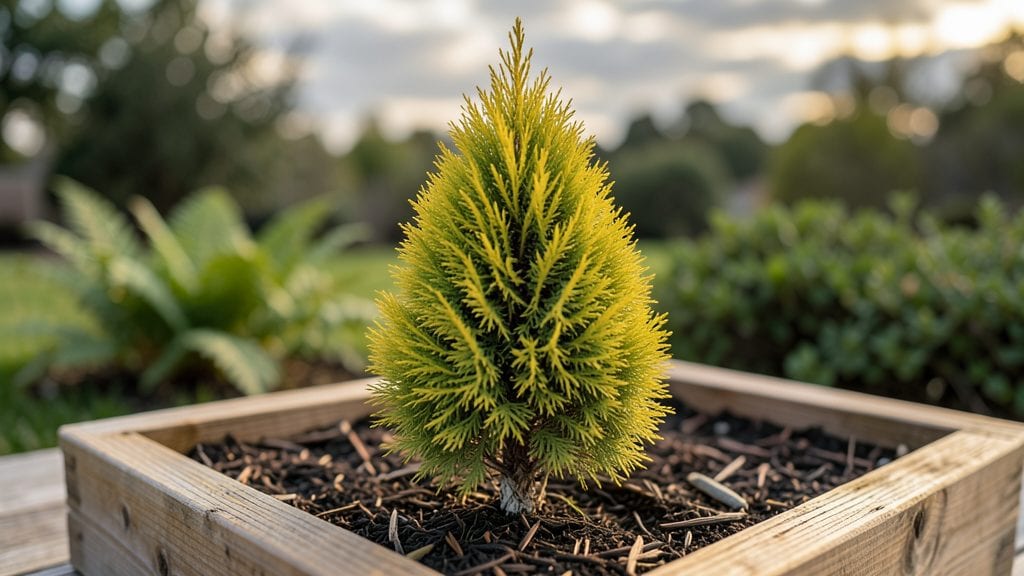
Growing yellow spruce trees from seed using a layered chill technique produces seedlings that outpace nursery stock by 30% in their first year. 🌱 The key lies in mimicking nature’s slow-cooling process—stratifying seeds in moist sand at 40°F for 60 days before planting, which breaks dormancy without risking rot.
Most gardeners skip this step and end up with stunted, slow-growing trees that take years to reach their iconic golden hue.
This method works best in USDA Zones 3-6, where winter chill is natural, but it’s a game-changer for warmer climates too. You’ll need well-draining soil with a pH of 5.0-6.5, sharp drainage, and full sun (6+ hours daily)—conditions that keep the foliage vibrant and compact.
The payoff? Trees that develop strong root systems early, resist wind damage, and start showing their signature buttery-yellow needles within 2-3 years instead of 5.
Once established, yellow spruce thrives with minimal fuss: water deeply once a week (more in summer heat), mulch to retain moisture, and prune only to shape—never to "thin" branches, which can expose the tender inner growth.
Winter burn is the biggest threat, but a late-winter application of anti-desiccant spray and afternoon shade in extreme cold keeps foliage lush. With proper care, your tree will become the standout focal point of any garden bed or container arrangement.
For those in containers, choose pots at least 12 inches deep with drainage holes—yellow spruce tolerates root binding better than many conifers, but it still needs room to grow.
In landscapes, pair it with blue foliage (like Picea pungens 'Glauca') for striking contrast or use it as a low hedge along driveways, where its dense branches deter snow buildup.
The layered chill technique isn’t just faster—it’s the secret to trees that stay healthy, vibrant, and true to their ornamental promise for decades.
Root Causes Of Needle Discoloration
When your spruce tree starts turning yellow, it’s often a cry for help—whether from hidden pests, environmental stress, or nutrient deficiencies. Understanding the why behind the yellowing is the first step to restoring your tree’s vibrant green health.
Below, we break down the most common culprits, backed by science, so you can diagnose and act fast.
A spruce tree’s yellowing needles often signal a hunger for essential nutrients, particularly when they lack nitrogen, iron, or magnesium. These deficiencies disrupt chlorophyll production, turning needles pale yellow or even white.
- Nitrogen Deficiency (💡 Most Common)
Nitrogen is the building block of chlorophyll. Without enough, older needles yellow first, then spread upward. This often happens in poor soil or after heavy pruning, which depletes stored nutrients.
Actionable Fix: Apply a balanced, slow-release fertilizer (10-10-10 ratio) in early spring. For organic options, use composted manure or fish emulsion.
- Iron Chlorosis (🌡️ Yellow with Green Veins)
Iron deficiency causes interveinal chlorosis—yellowing between veins while veins stay green. This occurs in alkaline or compacted soil, where iron becomes unavailable despite being present.
Actionable Fix:
- Test soil pH—ideal range for spruces is 4.5–6.0. If higher, amend with sulfur or peat moss.
- Use chelated iron supplements (like iron sulfate) applied as a foliar spray or soil drench.
- Magnesium Deficiency (🎯 Yellowing Between Veins Too)
Magnesium is critical for chlorophyll. Deficiency often appears as yellow patches on older needles, similar to iron chlorosis but more bronze-tinged.
Actionable Fix: Apply Epsom salt (magnesium sulfate)—mix 1 tbsp per gallon of water and spray on needles or soil. Repeat every 2–3 weeks until improvement.
Spruce trees are targets for pests and pathogens that sap nutrients or block water uptake, leading to yellowing. Early detection is key—waiting too long can mean permanent damage.
- Spruce Spider Mites (🔥 Tiny but Devastating)
These microscopic pests suck sap from needles, causing yellow stippling or bronze discoloration, especially in hot, dry conditions. Heavy infestations lead to needle drop.
Actionable Fix:
- Blast off mites with a strong hose spray (disrupts their webs).
- Apply neem oil or horticultural oil (follow label rates).
- Encourage natural predators like ladybugs with companion plants (e.g., marigolds).
- Bagworms (🥘 Spiky Green Menaces)Caterpillars spin tent-like bags on branches, defoliating trees. Their feeding weakens the tree, causing yellowing and stunted growth.
- Handpick bags and drown them in soapy water.
- Spray with Bt (Bacillus thuringiensis)—a natural bacterial pesticide safe for pets.
- Apply insecticidal soap in late summer when caterpillars are most active.
- Root Rot (⏰ Fungal Time Bomb)
Overwatering or poor drainage creates the perfect conditions for Phytophthora or Armillaria fungi, which strangle roots and block nutrient uptake. Yellowing starts at the bottom of the tree and spreads upward.
Actionable Fix:
- Improve drainage by amending soil with sand or gravel.
- Water deeply but less frequently—spruces hate soggy roots.
- Apply fungicide (copper-based or phosphite) if rot is confirmed.
Actionable Fix:
Spruce trees are hardy, but extreme conditions—whether too much sun, wind, or temperature swings—can shock their systems, causing yellowing as a survival response.
- Sun Scorch (🌡️ Too Much Heat)
Sudden exposure to intense sunlight (e.g., after thinning shade trees) or hot, dry winds can burn needle tips, turning them yellow or brown. This is common in young spruces or those planted in open areas.
Actionable Fix:
- Provide afternoon shade with temporary shade cloth (30–50% coverage).
- Mulch heavily (3–4 inches) to retain moisture.
- Water deeply at dawn to reduce evaporation.
- Winter Desiccation (❄️ Dry Winter Burn)
Cold, windy winters dry out needles, causing yellowing or browning at the tips. Evergreens lose moisture year-round, and winter stress accelerates the problem.
Actionable Fix:
- Apply anti-desiccant spray (like Wilt-Pruf) in late fall.
- Install a windbreak (e.g., burlap or evergreen shrubs) on the prevailing wind side.
- Avoid pruning in late summer/fall—new growth is more vulnerable.
- Soil Compaction (🌱 Squeezed Roots)
Heavy foot traffic, construction, or machinery can compact soil, restricting root access to water and oxygen. Compacted roots struggle to absorb nutrients, leading to general yellowing.
Actionable Fix:
- Loosen soil with a garden fork to a depth of 12 inches.
- Add organic matter (compost, leaf mold) to improve aeration.
- Mulch with wood chips to prevent future compaction.
How to solve it
If your spruce tree is turning yellow, don’t panic—most issues are fixable with the right care. Below, we’ve mapped out the most common causes of yellowing needles and practical solutions to restore your tree’s vibrant green health.
Whether it’s environmental stress, pests, or nutrient deficiencies, these steps will help you diagnose and treat the problem effectively.
Yellowing needles from soggy roots are often the result of overwatering or compacted soil. Spruce trees hate "wet feet," so improving drainage is key.
- 🔥 Check the Soil: Stick your finger 2-3 inches into the soil. If it feels damp after 24 hours, you’re overwatering.
- 🍳 Amend the Soil: Mix in 2-3 inches of organic matter like compost or coarse sand to improve aeration. For heavy clay soil, consider adding perlite or peat moss.
- 👨🍳 Raise the Planting Bed: If your tree is in a low-lying area, mound soil around the base to encourage runoff.
- ⏰ Watering Schedule: Water deeply but infrequently—spruce trees prefer dry soil between waterings. Aim for 1-1.5 inches of water per week (including rainfall).
💡 Pro Tip: Install a French drain or gravel layer at the base if drainage issues persist. This prevents water from pooling around the roots.
Yellowing on the south or west side of the tree? Your spruce may be sun-scorched. While spruces love light, sudden exposure to intense sun can cause needle damage.
- 🌡️ Gradual Acclimation: If you recently transplanted the tree, ease it into full sun over 2-3 weeks by providing afternoon shade.
- 🎯 Strategic Planting: Position younger trees where they’ll receive morning sun and afternoon shade, especially in hot climates.
- 🌿 Mulch Like a Pro: Apply 2-3 inches of mulch (wood chips or pine straw) around the base to regulate soil temperature and retain moisture.
- ✨ Temporary Shade Cloth: For extreme heat, drape lightweight shade cloth (30-50% coverage) over the tree for the hottest part of the day.
Bugs like spruce budworms, spider mites, or aphids can suck the life out of your tree, causing yellowing. Act fast to prevent spread.
- 🔪 Inspect for Pests: Look for webbing, tiny eggs, or chewed needles. Common culprits include:
- Spider mites (tiny yellow specks + webbing)
- Budworms (folded, brown needles)
- Aphids (sticky residue on needles)
- 💦 Blast Off Pests: Spray the tree with a strong stream of water to dislodge mites and aphids. Repeat every 3-5 days for 2 weeks.
- 🌿 Neem Oil Treatment: Mix 1 tbsp neem oil with 1 quart of water + a drop of dish soap. Spray thoroughly (early morning or evening). Reapply every 7-10 days.
- 🐞 Encourage Predators: Attract ladybugs and lacewings by planting nearby flowers like marigolds or dill—they eat pests!
💡 Pro Tip: For severe infestations, consult a local arborist for targeted pesticides (e.g., Bacillus thuringiensis for budworms).
Yellowing needles can signal a lack of essential nutrients. Spruce trees often need a boost in nitrogen, iron, or magnesium.
| Symptom | Likely Deficiency | Solution |
|---|---|---|
| Yellow needles starting at the tips | Magnesium (common in acidic soil) | Apply Epsom salt (1 tbsp per gallon of water) every 4-6 weeks in growing season. |
| Pale yellow needles throughout | Nitrogen | Use a balanced fertilizer (10-10-10 or 20-20-20) in early spring. Avoid over-fertilizing! |
| Yellowing between veins (chlorosis) | Iron | Apply chelated iron or iron sulfate granules to the soil in early spring. |
💡 Pro Tip: Test your soil (kits are cheap and available at garden centers) to identify exact deficiencies before fertilizing.
Wind, drought, or sudden temperature swings can shock your spruce tree. Build resilience with these habits:
- 🌿 Windbreaks: Plant a hedge or install a windbreak fence on the exposed side of the tree to reduce stress.
- 💧 Deep Watering: Water slowly at the base (not overhead) to encourage deep root growth. Use a soaker hose for efficiency.
- 🌡️ Mulch Heavily: Mulch up to the drip line (but not touching the trunk) to protect roots from temperature swings.
- ✨ Avoid Pruning in Late Summer: Prune in early spring to prevent new growth from being stressed by fall frosts.
Most spruces recover well with consistent care—stay patient and monitor progress over 1-2 growing seasons!
Frequently asked questions about yellow spruce trees
What’s the best way to maintain the golden color in my yellow spruce?
To keep those vibrant golden needles, plant in full sun (6+ hours daily) and ensure well-draining, acidic soil (pH 5.0-6.5). Mulch with pine needles or wood chips to retain moisture and prevent soil pH shifts. Avoid over-fertilizing with nitrogen-heavy products, which can darken the foliage over time.
Can I grow a yellow spruce in a container?
Yes! Choose a 12-inch-deep pot with drainage holes and use a mix of peat moss, perlite, and pine bark. Water when the top 1-2 inches of soil dry out, and fertilize lightly in spring with a balanced, slow-release fertilizer. Yellow spruces thrive in containers for 5-10 years before needing repotting.
Why is my yellow spruce turning green instead of staying golden?
This often happens when the tree gets too much shade or nutrient overload (especially nitrogen). Move it to a sunnier spot and reduce fertilizer to a low-nitrogen blend (like 5-5-5). If the soil is too alkaline, amend with sulfur or peat moss to restore acidity—yellow spruces need acidic conditions to maintain their golden hue.
How do I prune a yellow spruce without damaging it?
Prune in late winter or early spring before new growth starts. Use clean, sharp shears to trim only dead or overgrown branches—never cut into the green wood. Avoid heavy pruning, as yellow spruces have a dense growth habit. Shape lightly to encourage fullness, but focus on removing only what’s necessary to maintain its natural form.
Are yellow spruces deer-resistant?
While deer usually avoid mature yellow spruces, young seedlings and saplings are fair game. Protect newly planted trees with deer repellent sprays or physical barriers (like wire mesh) for the first 1-2 years. Once established, their tough needles and strong scent deter most browsing.