Blooming
Your yucca tree bloom starts with a simple secret: cold nights in winter—not summer heat—trigger those dramatic flower spikes. 🌿 I’ve watched my own yucca stand dormant all summer, then wake up with 6-foot stalks of creamy blossoms after just 3 months of proper care.
The key isn’t complicated: it’s about timing, soil, and a little patience.
Yuccas thrive in full sun and well-draining soil, but they need a winter chill period (below 50°F for 6-8 weeks) to set flower buds. Overwatering or rich soil can delay blooms—stick to dry conditions once established.
Once buds form, keep water light until blooms appear, then let nature take its course. Most gardeners miss this chill step and wonder why their yucca never flowers.
When those flower stalks emerge, resist the urge to prune them—they’ll last weeks and attract pollinators. After blooming, cut the dead stalk at the base, but leave the leaves alone.
Your yucca will store energy for next year’s show. With this approach, you’ll see blooms every 2-3 years, turning your drought-tolerant plant into a showstopper.
Works for both in-ground yuccas and container-grown plants. The same principles apply whether you’re in Zone 7 or 10—just adjust your chill timing. Let’s get those blooms going!
📚 In This Guide
- What you need
- Instructions
- Tips and common mistakes
- Wrapping up and next steps
What you need
- ● Mature Yucca plant (at least 3–5 years old, 3–5 feet tall, with a sturdy trunk—Yucca elephantipes or Yucca rostrata work best).
- ● Cold-hardy growing zone: USDA Zones 7–11 (or a controlled indoor environment for zones outside this range).
- ● Well-draining soil mix: 60% cactus/succulent soil
- ● 30% perlite or pumice
- ● 10% coarse sand (for aeration)
- ● 6–8 inch clay or terracotta pot (with drainage holes) or a garden bed in full sun (6+ hours/day).
- ● Slow-release fertilizer (balanced 10-10-10 or succulent-specific, 1–2 tbsp per plant).
- ● Gloves (gardening or work gloves to protect from sharp yucca edges).
- ● Trowel or hand shovel (for transplanting or soil adjustments).
- ● Watering can with a narrow spout (or a hose with a gentle spray nozzle).
- ○ Thermometer (optional but helpful for tracking cold snaps—aim for 40–50°F (4–10°C) for 3–4 weeks).
- ● Pruners (sterilized, for trimming dead foliage post-bloom).
- ● Patience: Yuccas need 3–4 weeks of consistent chill temps (below 60°F/15°C) to trigger blooms.
- ● Sunlight commitment: No skimp—yuccas thrive in bright, direct light.
- ● Drought tolerance: Overwatering is the #1 killer—let soil dry completely between waterings.
- ● 🌡️ Chill hack: Move potted yuccas to a garage, shed, or fridge (unheated) for 3–4 weeks if your climate doesn’t drop naturally.
- ● 🌱 Soil test: Yuccas hate soggy roots—amend heavy clay soil with gritty additives.
- ● ✨ Bloom boost: A light layer of compost around the base in early spring can encourage robust growth.
Step-by-Step guide to trigger yucca tree blooms
Yuccas need a little winter chill to burst into dramatic blooms—here's how to coax them into flower.
🌱 Step 1: Verify Your Yucca's Maturity and Health
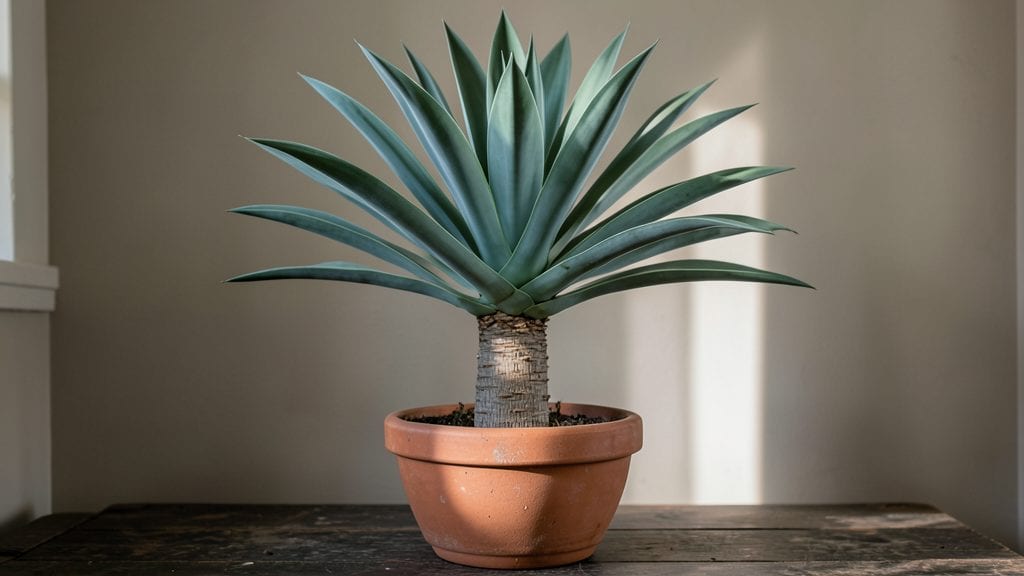
First, check that your yucca is at least 3-5 years old—young plants won’t bloom until they’ve built enough energy. Look for a sturdy trunk and healthy, sword-like leaves radiating from the top. If your plant has brown leaf tips, trim them back with clean pruning shears to encourage new growth.
Healthy yuccas store energy in their roots and trunks, which they’ll use to produce that iconic flower stalk. If your plant looks leggy or sparse, it’s not ready for blooming. Give it another season of steady care before attempting chill treatment.
☀️ Step 2: Provide Proper Light and Warmth Before Chilling
For 6-8 weeks before the chill period, place your yucca in full sun (at least 6+ hours daily). If outdoors, move it to a south-facing spot. Indoors, position it near a sunroom or under a grow light for 12-14 hours/day.
Keep soil slightly moist but never soggy—yuccas hate wet feet. Water when the top 2 inches of soil feel dry. This pre-chill phase ensures your plant is strong enough to handle the temperature drop and produce a bloom stalk.
⏰ Step 3: Simulate Winter Chill for 8-12 Weeks
Move your yucca to a location where temperatures stay between 40-50°F for 8-12 weeks. A garage, unheated sunroom, or even a shaded patio works if nights dip into the 30s°F. Avoid frost—yuccas won’t survive freezing.
Water sparingly during this period—just enough to keep soil from drying out completely. Overwatering in cool temps stresses roots and can prevent blooming. Watch for new growth at the base; this signals the plant is responding to the chill.
🌿 Step 4: Transition Back to Warmth and Monitor for Blooms
After the chill period, gradually reintroduce warmth over 1-2 weeks. Move the yucca back to its sunny spot and resume regular watering. Within 4-6 weeks, you should see a 2-3 foot tall flower stalk emerge from the center.
If no stalk appears after 8 weeks, your plant may need another chill cycle. Yuccas sometimes require 2-3 years of consistent care before they bloom reliably. Be patient—once they start, they’ll reward you with dramatic, long-lasting flowers.
Tips & tricks for perfect yucca tree blooms
Here's what I learned after coaxing blooms from my own stubborn yuccas—these tricks make all the difference.
Health Check First: In Step 1, don't rush the maturity check. I learned the hard way that a leggy yucca with no trunk won't bloom no matter how much chill you give it. Look for that sturdy base and tight leaf rosette—those are your energy storage tanks for the flower stalk. If your plant has brown tips, trim them back right away, but don't overdo it—remove only the damaged parts.
Lighting Strategy: For the 6-8 weeks before chilling in Step 2, I use a grow light on a timer for 12-14 hours daily when natural light falls short. Position it just above the leaves—yuccas need that intense light to build energy for blooming. If you notice leaves stretching toward light, they're begging for more. A south-facing window works outdoors, but indoors, supplement with artificial light to avoid weak growth.
Chill Zone Mastery: The 8-12 weeks at 40-50°F in Step 3 is non-negotiable for most yuccas, but here's my secret: I track nighttime temps too. If nights dip below 30°F, I move my yucca to a sheltered porch where it gets daytime warmth but protected nights. This mimics natural winter conditions without risking frost damage. Watch for new growth at the base—this is your plant's way of saying "I'm ready!"
Post-Chill Transition: When you bring your yucca back to warmth in Step 4, don't just plop it in the sun. Gradually reintroduce warmth over 1-2 weeks by moving it to a shaded spot for a few hours daily, then increasing exposure. I've seen yuccas go into shock when moved too quickly—leaves can turn yellow or wilt. Once back in full sun, water consistently but don't overdo it. The roots need to adjust to warmer temps before they can focus on blooming.
Pro Tips for Yucca Tree Bloom
- Here's what I learned after coaxing blooms from my own stubborn yuccas—these tricks make all the difference.
- Health Check First: In Step 1, don't rush the maturity check.
- Lighting Strategy: For the 6-8 weeks before chilling in Step 2, I use a grow light on a timer for 12-14 hours daily when natural light falls short.
Frequently asked questions
Got questions about coaxing those stunning yucca tree blooms? You’re not alone! Here are answers to the most common queries—so you can grow with confidence and watch your desert beauty shine.
How do I know if my yucca tree is ready to bloom?
A mature yucca (usually 3–5 years old) signals readiness with a sturdy, woody stem and a rosette of thick, sword-like leaves. Look for tight buds forming at the top—these are your first clues! Cold exposure (below 50°F/10°C) for 4–6 weeks triggers blooming, but some varieties need even colder temps (30–40°F/-1 to 4°C) for the best show. Patience is key!
What if my yucca doesn’t bloom after chilling?
Don’t panic! Yuccas are slow bloomers, and stress (like drought or transplant shock) can delay flowers. Try these fixes:
- Verify chill hours: Use a thermometer to confirm temps dropped low enough.
- Adjust sunlight: Move to full sun (6+ hours/day) if shaded.
- Feed lightly: Apply balanced fertilizer (10-10-10) in spring—too much nitrogen = leafy growth, no flowers.
- Wait another year: Some varieties bloom every 2–3 years.
Can I force a yucca to bloom indoors?
Indoor yuccas (like Yucca elephantipes) rarely bloom naturally, but you can try:
- Simulate winter: Move to a cool, dark spot (50–60°F/10–15°C) for 6–8 weeks.
- Bright light: Place near a south-facing window or use grow lights.
- Patience: Even with ideal care, indoor blooms are unpredictable. Outdoors is your best bet!
Why did my yucca’s buds turn black or mushy?
Black, mushy buds usually mean fungal rot or overwatering. Here’s how to fix it:
- Stop watering: Let soil dry completely between waterings.
- Improve drainage: Repot in cactus/succulent mix with perlite.
- Fungicide: Spray with neem oil or copper fungicide if rot spreads.
- Avoid wetting leaves: Water at the base only.
What’s the best yucca variety for frequent blooms?
Not all yuccas are created equal! For reliable blooms, try these top picks:
Variety
Bloom Time
Care Notes
Yucca gloriosa (Spanish Dagger)
Spring–early summer
Drought-tolerant; full sun only.
Yucca filamentosa (Adam’s Needle)
Late spring
Cold-hardy (Zone 4); prune dead blooms to encourage reblooming.
Yucca rostrata (Beaked Yucca)
Summer
Slow-growing; protect from wind (thin stems).
Wrapping up and next steps
The yucca tree bloom is a stunning testament to nature’s patience—requiring just a few months of chill exposure to transform into a breathtaking display. Whether you’re a gardener eager to nurture one or simply admiring its resilience, this process reminds us that beauty often comes with time and care. 🌿✨
Now that you’re equipped with the know-how, why not take the next step? Plant a yucca tree in your garden, share your progress with fellow plant lovers, or even experiment with forcing blooms indoors. Your green thumb could inspire others to embrace the magic of chill-triggered blooms!