
Fertilization
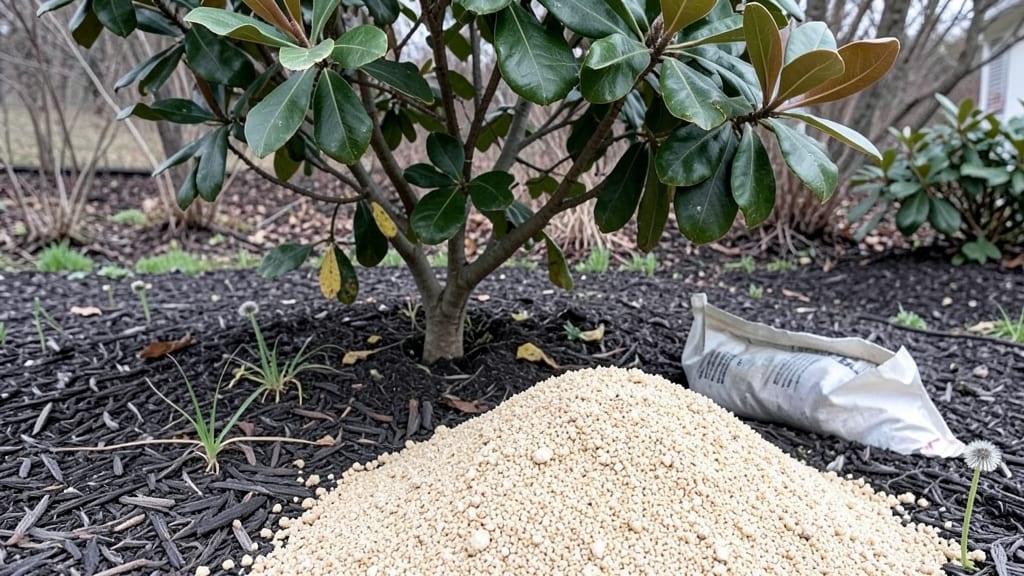
A 10-10-10 fertilizer for magnolia trees isn’t just about feeding roots—it’s about unlocking that bold, glossy foliage and showstopping blooms magnolias are famous for. I’ve used this balanced approach for years, and the difference in spring flushes and summer vigor is dramatic.
The key isn’t just dumping fertilizer; it’s timing, soil prep, and knowing when to step back.
Magnolias thrive when the soil is slightly acidic (5.5–6.5 pH) and rich in organic matter, but they’re notoriously sensitive to salt buildup from over-fertilizing. Start with a soil test—if your pH is off, amend first.
Then, apply ½ pound of 10-10-10 per inch of trunk diameter in early spring, before buds swell, and again in midsummer. Water deeply afterward to prevent root burn.
What you’ll notice first is faster leaf expansion and darker green color within weeks. By late summer, flowers return bigger and more abundant, and new growth stays sturdy, not leggy.
The secret? Less is more—magnolias are heavy feeders but hate excess salts. If leaves yellow or crisp at the edges, you’ve overdone it.
Pair fertilization with deep watering (1–1.5 inches per week) and mulch (3–4 inches of pine straw or shredded bark) to protect roots. Prune only to remove dead wood or cross branches—never to “encourage” blooms.
This method works for Southern magnolias, saucer magnolias, and even dwarf varieties, though younger trees need half the rate. Let’s get your magnolia thriving.
📚 In This Guide
- What you need
- Instructions
- Tips and common mistakes
- Wrapping up and next steps
What you need
- ● 10-10-10 Fertilizer Granules – 5 to 10 pounds, depending on tree size (small trees: 5 lbs, medium/large: 10 lbs). Look for a slow-release or organic option for best results.
- ● Garden Gloves – A pair to protect your hands from granules and soil.
- ● Watering Can or Hose – For even distribution of fertilizer and watering afterward.
- ● Measuring Scoop or Scale – To ensure precise application (avoid over- or under-fertilizing!).
- ● Garden Rake or Hand Fork – For lightly aerating the soil before and after application.
- ○ Watering Ring or Drip Irrigation (Optional but Helpful) – Creates a targeted watering zone around the tree.
- ● Soil pH Test Kit – Magnolias prefer slightly acidic soil (pH 5.0–6.0). Adjust with sulfur or lime if needed.
- ● Mulch (Pine Straw or Wood Chips) – 2–4 inches to retain moisture and regulate soil temperature.
- ● Slow-Release Fertilizer Extender – If using granular 10-10-10, mix with compost to prolong nutrient release.
- ● Tree Band or Fertilizer Spreader – For even distribution in larger root zones.
Step-by-Step guide to applying 10-10-10 fertilizer for magnolia trees
Here’s how to use 10-10-10 fertilizer to fuel your magnolia’s vibrant blooms and lush foliage.
Test Soil and Prepare the Application Area
Before applying any fertilizer, test your soil’s pH and nutrient levels—magnolias thrive in slightly acidic soil (pH 5.0–6.0). If your soil is too alkaline, amend it with sulfur or peat moss before proceeding. Clear the area around the tree’s drip line (the edge of the tree’s canopy) of weeds, grass, and debris. This ensures nutrients reach the roots without competition.
Use a broadfork or tiller to loosen the top 6 inches of soil within the drip line. Avoid digging too close to the trunk, as magnolias have shallow, sensitive roots. If the soil feels compacted or dry, water it deeply 24 hours before fertilizing to help nutrients distribute evenly.
Calculate and Measure the Fertilizer Dose
For a mature magnolia tree (over 10 years old), use 1 pound of 10-10-10 fertilizer per inch of trunk diameter. For example, if your tree’s trunk measures 8 inches in diameter at chest height, apply 8 pounds of fertilizer. For younger trees (under 10 years), halve the dose—0.5 pounds per inch of trunk diameter. Measure the fertilizer carefully using a garden scale for accuracy.
Spread the fertilizer evenly in a 5–6 foot radius around the drip line, avoiding direct contact with the trunk. Use a spreader or rake to distribute it uniformly. If you’re fertilizing multiple trees, divide the total amount equally among them. Overapplication can burn roots and harm the tree, so precision matters.
Water the Soil Thoroughly After Application
After spreading the fertilizer, water the soil deeply and slowly to activate the nutrients and wash them into the root zone. Aim for 1–1.5 inches of water over the fertilized area. Use a soaker hose or drip irrigation to avoid disrupting the fertilizer layer. You’ll know the soil is properly hydrated when water drains 6 inches deep—check with a trowel.
Watering also helps prevent fertilizer burn, which can scorch roots and leaves. If you notice yellowing leaves or wilting within a week of application, reduce watering slightly and monitor the tree. Magnolias are sensitive to salt buildup, so flushing the soil with extra water after fertilizing can prevent long-term damage.
Schedule Fertilization for Optimal Growth
Apply 10-10-10 fertilizer twice a year: once in early spring (March–April) as new growth begins, and again in late summer (August–September) to support root development before winter. Avoid fertilizing in fall or winter, as magnolias enter dormancy and don’t need additional nutrients. If your tree is newly planted (within the last year), skip fertilization entirely—focus on establishing roots instead.
After fertilizing, observe the tree for 3–4 weeks. Healthy growth includes darker green leaves, stronger branches, and more abundant blooms the following season. If you notice slow growth or sparse foliage, consider a soil test to check for deficiencies (like nitrogen or phosphorus) and adjust future applications accordingly.
Maintain Soil Health Between Feedings
To maximize the benefits of 10-10-10 fertilizer, mulch the base of the tree with 2–3 inches of organic mulch (like pine straw or shredded bark) after watering. Keep the mulch 6 inches away from the trunk to prevent rot. Mulch retains moisture, regulates soil temperature, and slowly releases nutrients as it breaks down.
Monitor the tree’s response to fertilization and adjust future doses as needed. If your magnolia produces fewer blooms or yellowing leaves, it may need a different nutrient balance—consider switching to a low-phosphorus fertilizer (like 12-4-8) for flowering varieties. Regular pruning to remove dead or crossing branches also helps the tree allocate energy efficiently.
Tips & tricks for perfect magnolia tree fertilization
These proven strategies will help you maximize the benefits of 10-10-10 fertilizer while protecting your magnolia's delicate root system.
Soil Preparation is Non-Negotiable: The 24-hour deep watering before fertilizing isn't just recommended—it's essential. This step ensures the fertilizer will distribute evenly through the loosened soil rather than collecting in surface layers. I've seen magnolias develop fertilizer burn when applied to dry soil, so don't skip this crucial preparation phase. Use a moisture meter to verify 6 inches of dampness before proceeding with Step 1.
Precision in Measurement Pays Off: When calculating your fertilizer dose in Step 2, resist the temptation to eyeball measurements. A garden scale is your best friend here—magnolias are particularly sensitive to over-fertilization. For that 8-inch trunk example, 8 pounds might seem like a lot, but remember this balanced 10-10-10 formula contains both nitrogen for foliage and phosphorus for blooms. Too much can actually reduce flowering next season by stressing the tree.
Watering Technique Matters More Than You Think: That 1–1.5 inches of water in Step 3 requires patience. Pouring quickly creates surface runoff that washes nutrients away. Instead, use a soaker hose on a gentle setting for 30–45 minutes. You'll know you've done it right when water appears at the 6-inch mark when you insert a trowel. This slow approach also helps prevent salt buildup that can damage roots over time.
Seasonal Timing is Everything: The twice-yearly schedule in Step 4 works because it aligns with magnolia's natural growth cycles. Early spring applications support new leaf development, while late summer feeding prepares roots for winter. I've noticed that trees fertilized in fall often produce fewer blooms the following spring because the nutrients don't have time to be fully absorbed before dormancy. Mark your calendar now for March–April and August–September to stay on track.
Pro Tips for 10-10-10 Fertilizer For Magnolia Tree
- These proven strategies will help you maximize the benefits of 10-10-10 fertilizer while protecting your magnolia's delicate root system.
- Soil Preparation is Non-Negotiable: The 24-hour deep watering before fertilizing isn't just recommended—it's essential.
- Precision in Measurement Pays Off: When calculating your fertilizer dose in Step 2, resist the temptation to eyeball measurements.
Frequently asked questions
about using 10-10-10 fertilizer for magnolia trees—because even experts need a little clarity!How often should I apply 10-10-10 fertilizer to my magnolia tree?
Apply 10-10-10 fertilizer to magnolia trees 2-3 times per year: once in early spring (before budding), again in late spring/early summer, and optionally in early fall for winter prep. Avoid fertilizing in late summer or fall—it can stimulate tender new growth that won’t survive frost.
Can I use 10-10-10 fertilizer on newly planted magnolia trees?
No, wait 6-12 months before fertilizing newly planted magnolia trees. Young trees need time to establish roots. Instead, focus on watering deeply and using organic mulch. Once established, you can start with a light application of 10-10-10 in early spring.
What’s the difference between 10-10-10 and slow-release fertilizer for magnolias?
10-10-10 is a quick-release fertilizer, providing immediate nutrients but requiring more frequent applications. Slow-release fertilizers (like osmocote) feed trees gradually over months, reducing the risk of over-fertilization. For magnolias, a balanced mix—like alternating between 10-10-10 and slow-release—often works best.
My magnolia leaves are yellowing after fertilizing—what went wrong?
Yellowing leaves often signal over-fertilization or burned roots. Flush the soil with water to dilute excess salts, and avoid fertilizing for 2-3 months. If the issue persists, switch to a lower-nitrogen formula (like 5-5-5) or organic options like compost tea.
Are there organic alternatives to 10-10-10 for magnolia trees?
Yes! Try compost, worm castings, or fish emulsion for organic nutrients. For a DIY boost, mix 1 part cottonseed meal (4-1-0) + 1 part bone meal (3-15-0) + 1 part kelp meal (0-0-2) for a balanced, slow-release option. Magnolias love organic matter—just work it into the soil in early spring!
Wrapping up and next steps
Using a 10-10-10 fertilizer for your magnolia tree is a fantastic way to fuel its growth and keep it thriving during spring and summer! 🌿 With the right balance of nitrogen, phosphorus, and potassium—plus a few extra tips—you’ll help your tree bloom beautifully and stay healthy for years to come. Remember, consistency is key!
Now that you’re equipped with the know-how, it’s time to roll up your sleeves and give your magnolia the love it deserves. Start by applying your homemade fertilizer this season and monitor its progress—your tree will thank you! 🌸