
Blooming
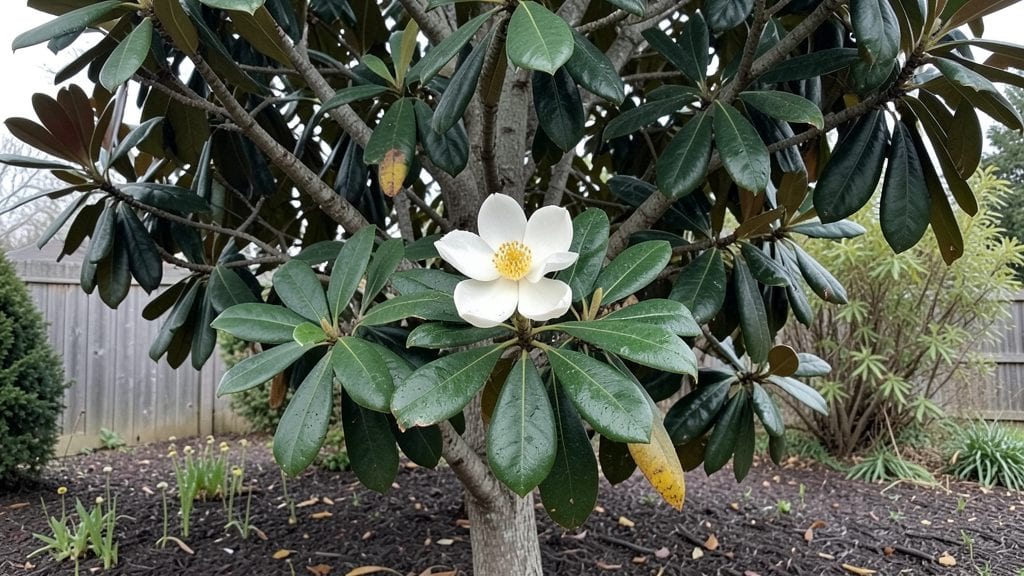
Your magnolia tree’s bloom time depends on the variety you’ve planted—some burst into early spring flowers by March, while others wait until late May or even summer.
If you’ve ever waited impatiently for your magnolia tree 🌸 to burst into bloom, you’re not alone—timing can make all the difference between a stunning spring display and a missed opportunity.
The right variety can transform your garden into a fragrant paradise, but only if you know when to expect those iconic flowers.
In USDA Zone 6a, most magnolias bloom between late March and mid-May, but factors like sunlight, soil health, and even last year’s pruning can shift that window by weeks.
Some varieties, like the Southern Magnolia, bloom later in summer, while others, such as the Star Magnolia, light up gardens as early as February.
Below, I’ll break down the exact bloom times for 12+ popular magnolias, how to adjust for your climate, and the simple pruning tricks that keep your tree flowering reliably year after year.
Exact Magnolia bloom times by variety (spring vs. summer flowering)
Magnolias are nature’s showstoppers, but their bloom times vary wildly depending on the variety and your USDA hardiness zone. Early bloomers like Magnolia stellata burst into pink or white flowers as early as late February in warmer zones, while Southern Magnolias (grandiflora) wait until late spring or summer.
Knowing these timelines helps you plan for peak fragrance and visual impact in your garden.
Climate plays a huge role—Northern gardens (USDA zones 4-6) may see blooms 2-4 weeks later than Southern ones (zones 7-10). For example, a Saucer Magnolia (soulangeana) in Zone 7 might flower in April, while the same tree in Zone 5 could wait until May.
Even ever-blooming hybrids like Jane or Ann have staggered cycles.
Here’s a breakdown of 12+ popular varieties, their typical bloom windows, and how to adjust expectations based on your location. Pro tip: Plant multiple varieties to extend your garden’s bloom season from late winter to summer!
🌸