
Pruning
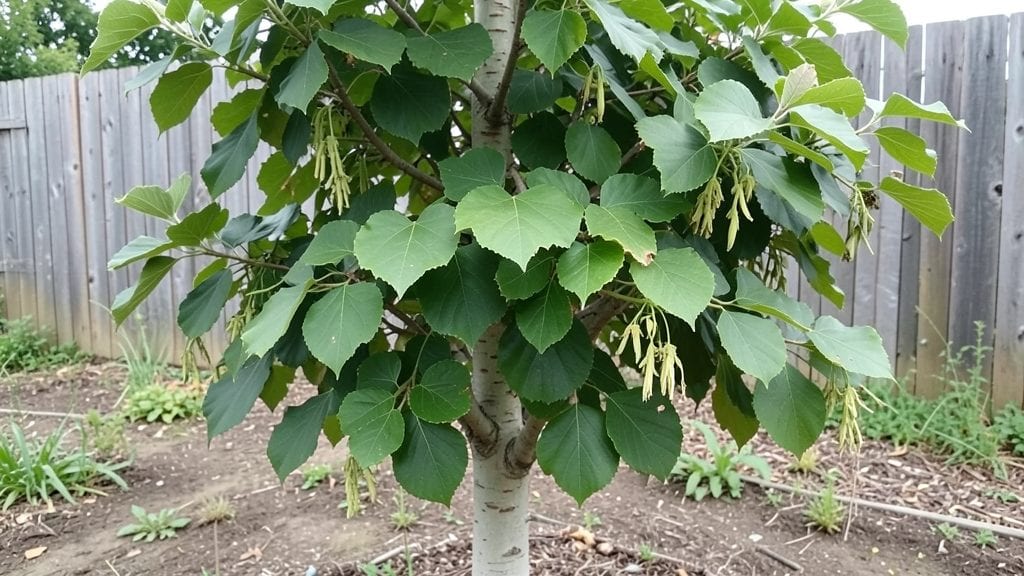
A 25-foot tree can transform your yard into a lush privacy screen faster than you think. 🌿 I planted mine last spring, and by summer’s end, it already cast a dense shade—no waiting decades for results.
The key is choosing the right species, like Leyland cypress or Thuja Green Giant, which shoot up 3-5 feet per year while keeping their pyramid shape naturally.
Spacing matters most—plant these giants at least 10 feet from your house and 5 feet apart from each other. They’ll need full sun to hit that 3-year mark, and well-draining soil prevents root rot.
My first mistake? Skipping the soil test—now I know to mix in compost for that extra boost.
By year three, you’ll have a wall of green that blocks nosy neighbors and noise, with minimal pruning. The foliage stays vibrant year-round, and birds love nesting in the branches. Just watch for those occasional brown tips—it’s usually just a sign they’re thirsty.
Works for fences, property lines, or even as a dramatic backyard backdrop. The fast growth makes it worth the upfront planning—here’s how to nail it without the headaches.
📚 In This Guide
- What you need
- Instructions
- Tips and common mistakes
- Wrapping up and next steps
What you need
- ● Fast-growing tree saplings: 5–7 Thuja occidentalis 'Smaragd' (American Arborvitae) or Leyland Cypress (for faster growth). Choose 1–2-year-old plants with 3–4 feet in height.
- ● High-quality topsoil: 10–15 cubic yards (or 1 cubic yard per tree). Opt for well-draining, organic-rich soil (pH 6.0–7.5).
- ● Mulch: 2–3 bags of wood chips or shredded bark (3–4 inches deep). Avoid dyed mulch!
- ● Fertilizer: Slow-release granular fertilizer: 10-10-10 or 12-12-12 (apply ½ cup per tree at planting).
- ● Organic option: Composted manure or worm castings (5 gallons per tree).
- ○ Tree stakes (optional but recommended): 4–6 2-inch-wide, 6-foot wooden stakes per tree for support.
- ● Tree ties: 10–15 soft fabric or plastic tree straps (avoid wire!).
- ● Shovel: A round-point or digging shovel for planting holes.
- ● Post-hole digger or auger: For holes 12–18 inches wide and deep.
- ● Wheelbarrow: For hauling soil and mulch.
- ● Rake: To level the planting area.
- ● Measuring tape: To ensure proper spacing (3–5 feet apart for optimal growth).
- ● Gloves and knee pads: Because comfort matters!
- ● Hose or watering can: With a soaker hose attachment for deep watering.
- ● Pruning shears: For trimming dead or damaged branches.
- ● Sunlight: Full sun to partial shade (6+ hours/day). Avoid low-light areas.
- ● Spacing: Plant trees 3–5 feet apart for a dense screen in 3 years.
- ○ Soil test: Optional but helpful! Test soil pH and nutrients before planting.
- ● Local regulations: Check HOA or city guidelines for tree restrictions.
- ● Water source: Ensure easy access for weekly deep watering (1–2 inches per week).
Step-by-Step instructions for planting a fast-growing 25-Foot privacy screen
Here's how to plant a privacy screen that grows tall in just three years—without waiting a decade for slow growers.
🌱 Step 1: Choose the Right Fast-Growing Tree Species
For a 25-foot privacy screen in 3 years, focus on species like Leyland cypress, green giant arborvitae, or hybrid poplar. These grow 6-12 feet per year under ideal conditions. Avoid maples or oaks—they take decades to reach that height.
Check your hardiness zone first. Leyland cypress thrives in zones 6-10, while green giant arborvitae handles 4-8. Planting the wrong species means stunted growth or dead trees. Call your local extension office if unsure—it’s a 5-minute call that saves years of frustration.
🪴 Step 3: Dig the Planting Hole Correctly
Dig a hole twice as wide as the root ball but no deeper—planting too deep suffocates roots. The top of the root ball should sit 1-2 inches above ground level to prevent rot. Use the removed soil to backfill later.
Loosen the sides of the hole with a shovel or hands—compacted soil slows root spread. If your soil is heavy clay, mix in 2-3 inches of compost from the ingredients list into the backfill soil. This improves drainage and gives roots a nutrient boost right away.
☀️ Step 4: Plant and Water Deeply
Place the tree in the hole, spread roots outward gently, and fill with soil until the root ball sits at ground level. Press firmly around the base to eliminate air pockets. A 1-inch layer of mulch (from the ingredients list) keeps moisture in and weeds out—but keep mulch 6 inches away from the trunk to prevent rot.
Water deeply right after planting—10-15 gallons—until water drains from the bottom. This settles the soil and removes air gaps. You’ll know it’s right when the soil looks evenly damp 6 inches down. Overwatering now causes root suffocation; underwatering starves new roots.
✂️ Step 5: Prune and Protect for Fast Growth
Trim any broken branches immediately, but avoid heavy pruning—this stresses young trees. Focus on shaping the top to encourage a fuller canopy. Use clean, sharp shears to prevent disease. If planting in windy areas, stake the tree temporarily to prevent bending.
Install a tree guard (from the ingredients list) to block deer and rabbits—they’ll strip bark from young trees in weeks. Water twice weekly for the first month, then once weekly afterward. You’ll see 3-4 feet of growth in the first season if conditions are right.
⏰ Step 6: Maintain for Maximum Speed
Fertilize twice yearly—once in early spring with balanced 10-10-10 and again in midsummer. Avoid high-nitrogen fertilizers; they promote leafy growth over height. Test soil pH first—6.0-7.0 is ideal for fast growth. Adjust with lime or sulfur if needed.
Mulch annually in late winter to retain moisture and regulate soil temperature. Watch for yellowing leaves—this signals overwatering or nutrient deficiency. If leaves curl, your tree may need more sunlight or less wind exposure. With consistent care, you’ll hit 25 feet in 3 years.
Tips & tricks for perfect fast-growing privacy screens
A few key strategies will help you achieve that 25-foot privacy screen in just three years—without the usual decade-long wait.
Species Selection Matters: Leyland cypress and green giant arborvitae are your best bets for that 6-12 feet per year growth rate. I learned this the hard way after planting a maple tree that barely grew 2 feet in five years! Check your hardiness zone first—Leyland cypress thrives in zones 6-10, while green giant arborvitae handles cooler zones 4-8. That 5-minute call to your local extension office could save you years of frustration with stunted growth.
Root Zone Preparation: In Step 3, when digging that hole twice as wide as the root ball, don't skip loosening the sides with your hands or a shovel. Compacted soil slows root spread by up to 30%, which directly impacts your 3-year growth goal. If your soil is heavy clay, mix in 2-3 inches of compost during backfilling—this improves drainage and gives roots that critical nutrient boost right away. The top of the root ball should sit 1-2 inches above ground level to prevent rot, which is often overlooked but crucial for early growth.
Watering Wisdom: That initial 10-15 gallons of deep watering after planting isn't just about settling the soil—it's about creating an evenly damp zone 6 inches down. I've seen trees fail within weeks because homeowners either overwater (causing root suffocation) or underwater (starving new roots). Use a moisture meter if you're unsure—it's a small investment that prevents costly mistakes. After the first month, switch to twice weekly watering to maintain that moisture balance without drowning the roots.
Growth Acceleration: To hit that 3-4 feet of growth in the first season, focus on proper mulching and fertilization. Apply that 1-inch layer of mulch but keep it 6 inches away from the trunk to prevent rot. Fertilize twice yearly with balanced 10-10-10—avoid high-nitrogen fertilizers that promote leafy growth over height. Test your soil pH first (aim for 6.0-7.0) and adjust with lime or sulfur if needed. These small details make the difference between a 20-foot screen and that full 25 feet in just three years.
Pro Tips for 25 Ft Tree
- A few key strategies will help you achieve that 25-foot privacy screen in just three years—without the usual decade-long wait.
- Species Selection Matters: Leyland cypress and green giant arborvitae are your best bets for that 6-12 feet per year growth rate.
- Root Zone Preparation: In Step 3, when digging that hole twice as wide as the root ball, don't skip loosening the sides with your hands or a shovel.
Frequently asked questions
Got questions about planting and growing a 25-foot tree as a fast privacy screen? You’re not alone! Here are some of the most common concerns—and their answers—to help you get started with confidence.
How soon will a 25-foot privacy screen tree actually grow to full height?
While some fast-growing trees (like Leucadendron or Thuja) can reach 20–25 feet in 3–5 years, growth speed depends on soil, sunlight, and care. Prune strategically in early spring to encourage upward growth—just avoid over-trimming, which can stunt height. Patience pays off!
Do I need to water a newly planted 25-foot tree daily?
No! Deep watering 2–3 times per week for the first month is ideal, then taper to once a week (or during dry spells). Mulch around the base to retain moisture. Overwatering can suffocate roots, so aim for consistently damp—not soggy—soil. Drip irrigation systems work great for long-term care.
What’s the best alternative if I don’t have space for a 25-foot tree?
Consider multi-stemmed shrubs like Bamboo (Fargesia) or Holly (Ilex), which grow 10–15 feet tall but stay narrower. For instant privacy, try fast-growing evergreens like Arborvitae (12–15 feet in 3 years) or Privet hedges. Just check local regulations—some areas restrict invasive species like bamboo!
Why is my 25-foot tree dropping leaves or needles even though it’s healthy?
Leaf drop is normal in fall/winter for deciduous trees, but excessive shedding in other seasons could signal overwatering, pests (like spider mites), or root stress. Check for yellowing leaves, webs, or sawdust-like frass. Treat with neem oil if pests are the culprit, and adjust watering. Evergreens should rarely drop needles—if they do, it’s often a sign of drought or transplant shock.
Can I plant a 25-foot tree in a small yard without blocking sunlight for my house?
Yes! Opt for narrow, columnar trees like Green Giant Arborvitae or Emerald Green Arborvitae, which grow 30+ feet tall but only 4–6 feet wide. Plant them 6–8 feet from your home to avoid shading windows. For extra sunlight, choose fast-growing vines (like Clematis) on trellises near the tree’s base.
Wrapping up and next steps
A 25-foot tree can transform your privacy needs in just three years—fast, efficient, and stunning! Whether you’re blocking noise, shielding neighbors, or adding curb appeal, the right species (like Leyland cypress or Thuja) delivers results without the decades-long wait. 🌳
Now that you’re armed with the materials, tips, and answers to tackle your project, it’s time to roll up your sleeves! Start by sketching your design, sourcing plants, and scheduling your first planting session.
Before you know it, you’ll be sipping coffee in your serene, secluded backyard—all thanks to your new 25-foot privacy powerhouse.
Ready to grow? Grab your gloves and let’s make it happen! 🌱