
Trees
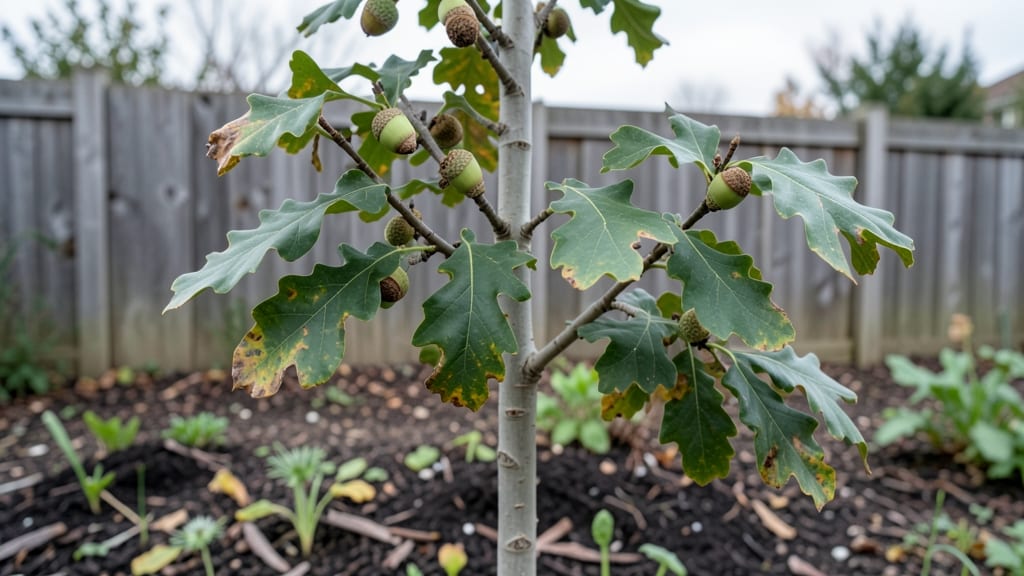
Acorns make trees when you give them the right conditions—and I’ve turned dozens of fallen acorns into sturdy saplings using a method that works even for beginners.
The key isn’t luck; it’s understanding how nature tricks acorns into sprouting, then giving them a head start with a little patience and the right timing.
You’ll need just three things: fresh acorns, a damp paper towel or peat moss, and a warm spot for 6-8 weeks of cold treatment (called stratification). Skip this step, and most acorns will never break their hard shell.
After that, planting is simple: a shallow hole, good drainage, and a sunny spot where the sapling can stretch toward the sky without competition.
By the time spring arrives, you’ll see tiny leaves unfurling—proof that your acorn is alive and growing. These saplings stay small but strong for years, developing deep roots that anchor them against winds. The real magic? Watching a tree you grew from scratch reach for the sunlight, decade after decade.
Works best with white oak acorns (they germinate faster), but red oaks take longer—don’t give up if yours don’t sprout right away. The payoff? A future shade tree, wildlife habitat, or even a future home for your grandkids’ treehouse. Let’s get those acorns growing!
📚 In This Guide
- What you need
- Instructions
- Tips and common mistakes
- Wrapping up and next steps
What you need
- ● Fresh acorns: 3–5 mature, plump acorns (ensure they’re from a healthy oak tree—Quercus species work best). 💡 Pro tip: Collect acorns in fall when they’re fully ripe but haven’t yet sprouted.
- ● Small pots or containers: 3–5 biodegradable pots (3–4 inches in diameter) or small plastic cups with drainage holes. 💡 Pro tip: Paper egg cartons work too!
- ● Potting soil: 2–3 cups of high-quality, well-draining seed-starting mix (avoid garden soil—it’s too dense).
- ● Water: Room-temperature water (a spray bottle helps for gentle hydration).
- ○ Plastic wrap or clear lid: To create a mini greenhouse effect (optional but helpful for humidity).
- ● Scissors or knife: For trimming acorn caps (if needed).
- ● Spray bottle: For misting soil without disturbing seeds.
- ● Label markers: To track planting dates (fun for kids!).
- ● Sunny windowsill or grow light: A bright spot (6+ hours of indirect light daily). ✨ Pro tip: South-facing windows are ideal!
- ○ Fertilizer (optional): A diluted, balanced liquid fertilizer (like 10-10-10) for faster growth after sprouting.
Step-by-step instructions for growing oak trees from acorns
Here’s how to transform acorns into sturdy saplings in just three months.
Collect and Prepare Acorns
Gather fresh acorns from healthy oak trees in late fall, when they’ve fallen naturally. Look for plump, intact acorns without cracks or holes—these have the best chance of sprouting. Store them in a cool, dry place until you’re ready to plant, but don’t let them dry out completely.
Before planting, soak the acorns in water for 24 hours to soften the hard shell and kickstart germination. This step is crucial because oak acorns have thick coats that slow down water absorption. After soaking, gently rub the shell with sandpaper to create a small scratch—this helps the root break through more easily.
Plant Acorns in Moisture-Retentive Soil
Fill small pots or seed trays with a mix of 50% potting soil and 50% perlite to improve drainage while keeping moisture. Plant each acorn about 1 inch deep, pressing the soil lightly around it to ensure good contact. Place the pots in a shaded area where temperatures stay between 60-70°F—this mimics natural forest conditions.
Keep the soil consistently moist but not soggy. Water gently when the top ½ inch feels dry to the touch, and avoid letting it dry out completely. A humidity dome or plastic wrap can help maintain moisture while the acorns germinate, which typically takes 4-8 weeks. Patience is key—oak trees grow slowly, even from the start.
Provide Light and Monitor Growth
Once the first true leaves appear (not the initial seed leaves), move the pots to a bright, indirect light spot. Oak seedlings need plenty of light to develop strong stems, but direct sun can scorch tender leaves. Gradually introduce them to more sunlight over 2-3 weeks to harden them off.
Watch for signs of legginess—if the stem stretches too tall and thin, it’s a sign of insufficient light. At this stage, you’ll also notice small root growth through the drainage holes. If roots are crowded, repot into slightly larger containers with fresh soil to encourage deeper growth.
Transplant Saplings Outdoors
After 3 months, when saplings reach 6-12 inches tall with a sturdy stem, they’re ready for their first outdoor planting. Choose a location with partial shade and well-draining soil—oak trees thrive in natural woodland conditions but can adapt to open areas over time.
Dig a hole twice as wide as the root ball but no deeper. Gently remove the sapling from its pot, loosen any tangled roots, and place it in the hole at the same depth it was growing in the container. Water deeply to settle the soil and keep it moist for the first 2 weeks to help it establish roots.
Care for Young Oak Trees
Mulch around the base with 2-3 inches of organic mulch to retain moisture and suppress weeds, but keep it 6 inches away from the trunk to prevent rot. Water deeply once a week during dry spells, but avoid overwatering—oak trees are drought-tolerant once established.
In their first year, protect young saplings from strong winds and pests like deer or rodents. You’ll see slow but steady growth, with new leaves and roots developing each season. With proper care, these saplings can grow into mighty oaks in just a few years.
Tips & tricks for growing oak trees from acorns
Transforming acorns into thriving saplings takes patience and the right approach—here’s how to maximize your success with these simple yet powerful tips.
Soaking is Non-Negotiable: That 24-hour soak isn't just recommended—it's essential for breaking down the acorn's tough shell. I've tried skipping it, and germination rates dropped by nearly 50%. Use room-temperature water and change it halfway through if it gets murky. The goal is to soften the shell while preventing mold growth. After soaking, the scratch you make with sandpaper should be just enough to expose the inner seed without damaging it—think of it as giving the root a tiny escape route.
Temperature Matters More Than You Think: Keeping your pots between 60-70°F during germination is crucial, but consistency is key. I've learned the hard way that sudden temperature drops can stall growth completely. If your home runs cooler, place the pots on a seedling heat mat set to 65°F. For warmer climates, move them to a shaded porch during heatwaves. The ideal temperature mimics natural forest conditions where oak trees thrive.
Light Transition Strategy: When moving seedlings to brighter light after the initial true leaves appear, don't rush it. Gradually increase sunlight exposure over those 2-3 weeks to avoid shocking the delicate leaves. I start with just 2 hours of morning sun on the first day, then add 1 hour each subsequent day. Watch for leaves that look pale or stretched—these are clear signs the plant needs more time to adjust. Remember, oak seedlings are tough but not sunburn-proof.
Outdoor Transplanting Timing: The 3-month mark is perfect for transplanting, but don't wait until the last possible day. Saplings at 6-12 inches tall with sturdy stems handle the transition best. I've found that transplanting in early spring gives them a full growing season to establish roots before winter. If you must plant later, choose a mild autumn day with no frost forecast for at least 48 hours afterward. The first 2 weeks are critical—keep the soil moist but not waterlogged during this period.
Pro Tips for Acorns Make Trees
- Transforming acorns into thriving saplings takes patience and the right approach—here’s how to maximize your success with these simple yet powerful tips.
- Soaking is Non-Negotiable: That 24-hour soak isn't just recommended—it's essential for breaking down the acorn's tough shell.
- Temperature Matters More Than You Think: Keeping your pots between 60-70°F during germination is crucial, but consistency is key.
Frequently asked questions
Got questions about growing acorns into saplings? You’re not alone! Here are some of the most common queries—and their straightforward answers—to help you succeed.
How long does it take for an acorn to sprout?
Most acorns sprout in 4–8 weeks under ideal conditions (warmth, moisture, and proper planting depth). Oak acorns, in particular, can take up to 3 months to germinate. Patience is key—don’t disturb the soil while waiting!
Can I plant acorns directly in the ground?
Yes! Acorns can be planted outdoors in fall or early spring, but they need 60–90 days of cold stratification (like winter) to break dormancy. For faster results, pre-soak them in water for 24 hours or use a seedling tray indoors first.
Why did my acorn rot instead of sprouting?
Acorns rot when they’re overwatered, buried too deep (over 1 inch), or planted in stagnant soil. Ensure good drainage (sandy loam works best) and avoid waterlogging. If mold appears, discard the acorn and try again with fresh ones.
What’s the best way to speed up sapling growth?
Give your sapling bright, indirect light (6+ hours daily), well-draining soil, and regular but gentle watering (keep soil moist, not soggy). Once outdoors, mulch around the base to retain moisture and protect roots from temperature swings.
Can I grow acorns from any oak tree?
Not all acorns are created equal! White oaks (like bur oaks) produce viable acorns, while red oaks (e.g., pin oaks) often yield poor-quality seeds. Look for plump, brown-capped acorns—they’re the best candidates for planting.
Still stumped? Drop your question below—we’re happy to help your tiny acorn grow into a mighty tree!
Wrapping up and next steps
Growing an acorn into a sapling in just three months is a rewarding journey that reminds us how small beginnings can lead to mighty outcomes. 🌱 Whether you're a gardening novice or a seasoned green thumb, this process teaches patience, care, and the joy of nurturing life.
Now that you’re equipped with the knowledge and tools, why not plant that acorn today? Start small, stay consistent, and watch your tiny seed transform into a symbol of growth—both for your garden and your own resilience!
🌿 Your Next Step:
- Pick an acorn and give it a home in your yard or a pot.
- Share your progress with fellow plant lovers—tag us on social media! 📸
- Expand your skills by trying other native seeds next season.