
Flowers
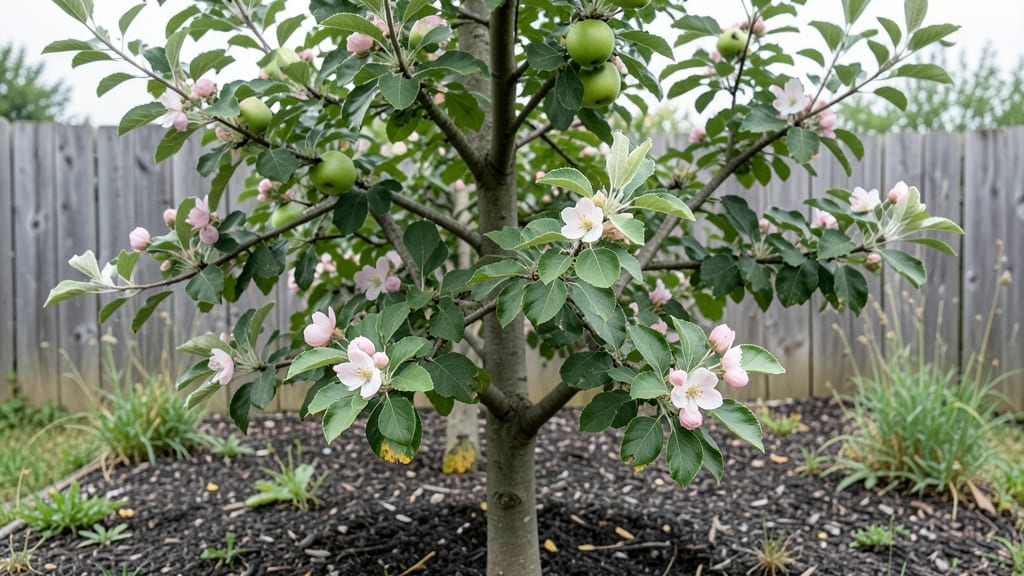
Transforming apple tree flowers 🍎 into fruit is all about timing, pollinators, and a little luck—but you can control most of it.
Did you know your apple tree’s stunning spring blossoms could vanish without proper pollination, leaving you with no fruit? It’s not just about planting the right variety; temperature, bees, and even wind play starring roles in the process.
If you’ve ever watched your blooms fade without a single fruit forming, you’re not alone. The secret lies in understanding how flowers turn into fruit—and how to give your tree the best shot at success.
In this guide, I’ll walk you through the exact stages of pollination, the best conditions for fruit set, and simple tricks to boost your harvest, even if you don’t have a hive of bees in your backyard.
How apple tree flowers develop into fruit: the pollination process explained
When your apple tree bursts into pink and white blossoms each spring, it’s not just a beautiful sight—it’s the first step toward a fruit-filled harvest. But did you know that 90% of those flowers won’t make it to fruit without the right conditions?
The transformation from bloom to apple depends on a precise pollination process influenced by flower anatomy, pollinators, and even weather. Understanding these steps helps you maximize your tree’s potential, whether you’re growing a single dwarf variety or a full-sized orchard.
Apple tree flowers are hermaphroditic, meaning each bloom contains both male and female reproductive parts. However, they often rely on external pollinators or wind to transfer pollen effectively. Without this transfer, the ovules inside the flower won’t fertilize, and the blossoms will drop prematurely.
This process isn’t just about luck—it’s a science-backed sequence you can optimize with the right knowledge and care.
Step-by-Step: From Flower to Fruit
-
Step 1: Flower Anatomy
Each apple blossom has a 5-petal structure with stamens (male) and a pistil (female). The stamens produce pollen, while the pistil’s stigma must receive compatible pollen for fertilization.
-
Step 2: Pollen Transfer
Pollen moves via bees, wind, or manual methods. Bees carry pollen from stamen to stigma of another flower, while wind-pollinated varieties release pollen into the air. Self-pollinating varieties can fertilize themselves, but cross-pollination often yields better fruit.
-
Step 3: Fertilization
Once pollen lands on the stigma, it grows a tube down to the ovule. Fertilization occurs when sperm cells reach the ovule, typically 24-48 hours after pollination. Unfertilized flowers drop within 7-10 days.
-
Step 4: Fruit Set
Fertilized ovules develop into seeds, while the surrounding tissue swells into the apple fruit. This stage is critical—temperature swings or drought stress can cause fruit drop if the tree isn’t healthy.
-
Step 5: Early Growth
The fruit grows rapidly for 4-6 weeks, developing its skin color and texture. During this time, the tree needs consistent water and nutrients to support cell division. Thinning may be needed to prevent overcrowding.
-
Step 6: Maturation
Over 3-5 months, the apple reaches full size. Sunlight exposure determines sweetness, while cool nights enhance flavor. Harvest occurs when the fruit detaches easily and reaches variety-specific maturity.
Temperature plays a critical role at every stage. For example, apple blossoms thrive between 50°F and 75°F, but frost below 28°F can kill pollen or damage stigmas before pollination occurs.
Similarly, high humidity (above 80%) can slow pollen germination, while dry conditions may reduce bee activity. Monitoring these factors helps you protect your blossoms and improve fruit set rates.
Humidity also affects pollen viability. Low humidity can cause pollen to dry out before reaching the stigma, while high humidity may create a sticky stigma that traps pollen ineffectively.
Aim for 40-60% humidity during bloom for optimal pollination. If your area is consistently dry, consider light misting in the early morning to support pollen transfer.
Not all apple varieties pollinate the same way. Self-fertile varieties like ‘Liberty’ or ‘Enterprise’ can produce fruit alone, but they often yield larger, higher-quality fruit when cross-pollinated with a compatible partner. Cross-pollination involves planting at least two varieties within 50-100 feet of each other.
Popular pairings include ‘Honeycrisp’ with ‘Gala’ or ‘Fuji’ with ‘McIntosh’.
If you’re in an urban area with few pollinators, you can hand-pollinate your apple tree. Use a soft paintbrush to transfer pollen from one blossom to another, focusing on open flowers in the morning.
This method works best for self-fertile varieties or when natural pollinators are scarce. Just be sure to avoid pesticides during bloom to protect any visiting bees.
Once fertilization occurs, the tree’s hormonal balance shifts to prioritize fruit development over leaf growth. This is why you might see small apples while the tree’s foliage grows slowly—it’s redirecting energy.
To support this process, thin fruit when they’re golf-ball sized, leaving 6-8 inches between apples to reduce competition for nutrients.
Common challenges like blossom end rot or premature fruit drop often stem from environmental stress or poor pollination. For example, calcium deficiency causes blossom end rot, while inconsistent watering leads to fruit drop.
Address these issues early by mulching, applying calcium-rich fertilizer, and ensuring stable soil moisture.
By understanding these six critical steps—from flower anatomy to fruit maturation—you’ll gain the confidence to optimize pollination and enjoy a bountiful apple harvest year after year. Even small adjustments, like planting companion pollinators or protecting blossoms from frost, can make a huge difference in your tree’s productivity. 🍎
Best pollinators for apple trees: bees, wind, and manual methods compared
Apple trees rely on pollinators to transform their showy spring blossoms into sweet, edible fruit. Without proper pollination, you might end up with empty blossoms and no harvest.
The good news? You have three main options: natural pollinators like bees, wind for self-fertile varieties, or manual methods for urban gardeners.
Honeybees and bumblebees are the most effective pollinators for apple trees, but they require healthy populations and pesticide-free environments. Wind can also pollinate certain varieties, while manual methods like hand-pollination give you full control over the process—ideal for small gardens or areas with limited pollinator access.
If you’re in a rural area with plenty of bees, your apple tree will likely pollinate naturally. However, urban gardeners or those with pesticide-treated lawns may need to attract pollinators by planting bee-friendly flowers like lavender or sunflowers nearby.
Self-fertile varieties like 'Gala' or 'Fuji' can also help if you only have one tree.
For manual pollination, grab a small paintbrush or cotton swab and gently transfer pollen from one flower to another. Do this on dry mornings when flowers are fully open.
This method works best for small-scale orchards or when bees are scarce. Just be patient—it may take 10-15 minutes daily during peak bloom.
Remember, temperature matters too! Apple tree flowers need warm days (70°F+) for bees to be active. If spring is chilly, consider a row cover to protect blossoms until conditions improve. The goal is to ensure every flower gets pollinated so you can enjoy a full harvest later in the season.
Whether you rely on bees, wind, or your own hands, understanding your apple tree’s pollination needs is the first step to a fruitful harvest. Try one method this year and see what works best for your garden! 🌱🐝🍎