
Pruning
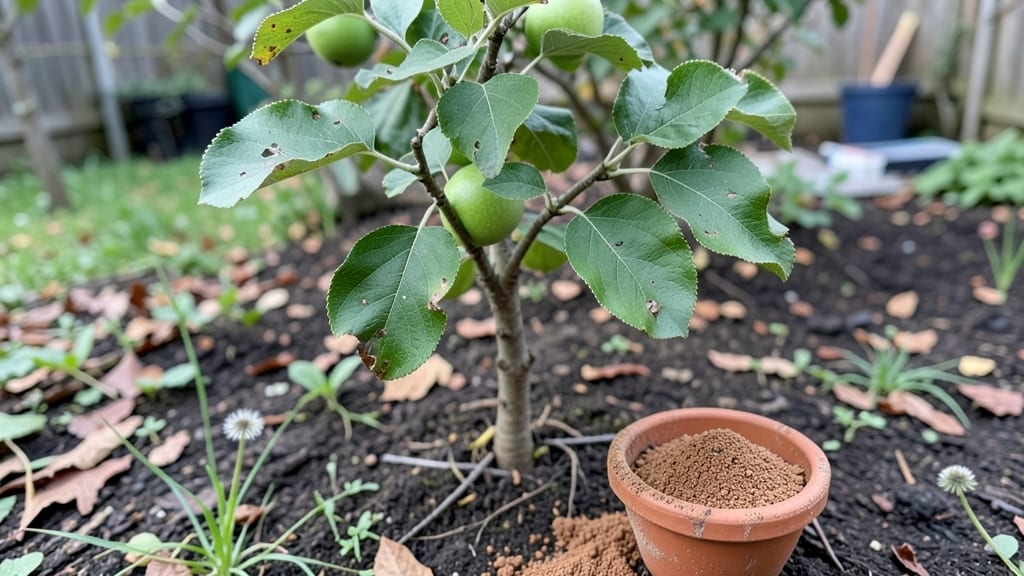
My apple trees used to look like they’d been through a war—spotted leaves, curled edges, and fruit that never ripened properly. 🌿 The right organic fungicides turned that around without harsh chemicals, and I’m sharing exactly which ones work best for apple scab, powdery mildew, and black spot.
Most fungal problems start with moisture and poor airflow, so prevention matters just as much as treatment. I learned the hard way that waiting until symptoms appear means fighting a losing battle—early sprays in spring (before buds swell) and again after harvest are the real game-changers.
You’ll need copper-based sprays, neem oil, or sulfur treatments, but timing them right makes all the difference.
Once you get the routine down, your trees will stay healthier for years. The leaves stay glossy and green, the fruit develops properly, and you avoid the heartbreak of a ruined harvest. Plus, organic methods protect bees and other pollinators that keep your orchard thriving.
This works for backyard orchards, community gardens, or even potted dwarf varieties. Let’s get those trees fighting back the smart way—no chemicals, no guesswork, just results.
Root Causes Of Fungal Spread
Fungal infections in apple trees don’t appear out of nowhere—they thrive because of specific environmental and biological triggers. Understanding these root causes is the first step to preventing outbreaks and keeping your orchard healthy. Let’s break down why fungi take hold in the first place.
Fungi love damp conditions, and apple trees are especially vulnerable when their leaves, fruit, or bark stay wet for too long. Here’s how moisture fuels fungal growth:
- Prolonged leaf wetness: Fungal spores (like those causing apple scab or powdery mildew) germinate within hours of water contact. Rain, overhead irrigation, or morning dew create the perfect breeding ground.
- Poor air circulation: Dense foliage or crowded trees trap humidity, slowing evaporation and keeping spores active. This is why venturia inaequalis (the apple scab pathogen) spreads faster in shaded, humid orchards.
- Waterlogged soil: Root diseases like armillaria root rot or phytophthora thrive when soil stays soggy. Compacted or poorly drained soil prevents roots from drying out, weakening the tree’s defenses.
Pro Tip: 🌡️ Aim for 10–14 days between waterings in dry climates, and avoid late-day irrigation to let foliage dry before nightfall.
Healthy apple trees have natural resistance, but stress opens the door for fungi. Common stressors include:
- Nutrient deficiencies: Low nitrogen, potassium, or zinc weakens cell walls, making them easier targets. For example, apple black rot exploits trees deficient in calcium.
- Physical damage: Pruning wounds, hail scars, or insect bites (like from codling moths) create entry points for pathogens. Nectria canker often invades through fresh cuts.
- Environmental shocks: Extreme heat, frost, or drought trigger abscisic acid production, signaling the tree to shut down growth—leaving it vulnerable to opportunistic fungi.
Pro Tip: ✨ Conduct a soil test every 2–3 years to address deficiencies, and apply copper or sulfur sprays as a preventative barrier when trees are stressed.
Fungi spread like wildfire in chaotic environments. Here’s how poor orchard management invites infestations:
- Debris buildup: Fallen leaves, mummified fruit, or pruned branches harbor overwintering spores. Venturia inaequalis can survive for years in infected leaf litter.
- Contaminated tools: Pruners, ladders, or even boots can transfer spores from infected to healthy trees. Botryosphaeria (a canker-causing fungus) spreads this way.
- Monoculture planting: Growing only apple trees in a row reduces biodiversity, giving fungi fewer natural predators (like beneficial yeasts or insects).
Pro Tip: 🔥 Clean up fallen fruit and leaves in autumn, and sterilize tools with 70% alcohol between trees.
Fungi are picky—they only activate under specific conditions. For apple trees, these are the danger zones:
| Fungus | Temperature Range | Humidity/Leaf Wetness Trigger |
|---|---|---|
| Apple Scab (Venturia) | 50–70°F (10–21°C) | >9 hours of leaf wetness at 60°F (16°C) |
| Powdery Mildew | 60–80°F (15–27°C) | High humidity (>75%) with poor airflow |
| Black Rot (Alternaria) | 75–85°F (24–29°C) | Heavy rain + stagnant water on fruit |
Pro Tip: 🎯 Use a weather-based fungicide spray schedule (like those from your local extension service) to apply treatments before conditions hit these thresholds.
By addressing these core triggers—moisture, stress, sanitation, and climate—you’ll disrupt the fungal lifecycle before it starts. The key is prevention, not just reaction.
Fixing Fungal Issues Naturally
Fungal problems on apple trees can feel overwhelming, but with the right approach, you can restore your tree’s health without harsh chemicals. Below are targeted solutions for the most common fungal threats—each paired with prevention tips to keep your tree thriving long-term. Let’s tackle these issues step by step!
Cause: Venturia inaequalis thrives in wet, humid conditions, creating dark, velvety spots on leaves and fruit.
How to Fix It:
- 🌿 Early Detection & Pruning Remove and destroy (do not compost) infected leaves and fruit as soon as you spot them. Thin out dense foliage to improve airflow—fungi love crowded, damp spaces.
- 🍯 Organic Fungicide Sprays (Preventive & Curative) - Baking Soda Spray: Mix 1 tbsp baking soda + 1 tbsp horticultural oil + 1 tsp dish soap + 1 gallon water.
Spray every 7–10 days during wet seasons (spring to early summer). - Neem Oil: Apply neem oil (2 tbsp per gallon of water + surfactant) in late winter (dormant season) and after harvest to disrupt fungal spores. - Copper Fungicide: Use copper soap (1–2 tbsp per gallon) as a last-resort treatment for severe infections (follow label rates).
- 🌧️ Weather Management
- Avoid overhead watering; use drip irrigation or water at the base.
- Plant resistant apple varieties (e.g., ‘Liberty,’ ‘Enterprise’) if scab is recurrent.
💡 Prevention Pro Tip:
- Dormant Spray: In late winter (before buds swell), apply a copper-based fungicide or lime sulfur to kill overwintering spores.
Cause: Podosphaera leucotricha creates a white, powdery coating on leaves, reducing photosynthesis and fruit quality.
How to Fix It:
- 🌬️ Improve Air Circulation Prune branches to open the canopy and reduce humidity. Space trees 15–20 feet apart if replanting.
- 🍋 DIY Fungicidal Sprays - Milk Spray: Mix 1 part milk + 9 parts water + a few drops of dish soap.
Spray weekly during mildew season (spring to summer). - Potassium Bicarbonate: Use 1 tbsp per gallon of water + a drop of soap for a preventive spray every 10 days.
- 🌿 Companion Planting Plant garlic, chives, or thyme nearby—their antifungal properties deter mildew.
💡 Prevention Pro Tip:
- Reflective Mulch: Use white plastic mulch around the base to reflect sunlight, reducing leaf moisture and mildew growth.
Cause: Botryosphaeria obtusa causes target-shaped brown spots with black veins, often leading to premature leaf drop.
How to Fix It:
- 🔪 Sanitation First Remove all infected leaves and fruit and sterilize pruning tools with rubbing alcohol between cuts.
- 🌱 Soil & Tree Health Boost
- Mulch Properly: Use wood chips (3–4 inches deep) to improve soil drainage.
- Fertilize: Apply balanced organic fertilizer (10-10-10) in early spring to strengthen the tree’s defenses.
- 🍄 Preventive Fungicides
- Sulfur Spray: Use wettable sulfur (2 lbs per 100 gallons) in early spring (before buds open).
- Chitosan Spray: A natural fungicide that reinforces the tree’s cell walls (apply every 2 weeks during outbreaks).
💡 Prevention Pro Tip:
- Avoid Wounding: Prune only in late winter/early spring to prevent entry points for fungal spores.
Cause: Erwinia amylovora (bacteria) + fungal secondary infections create blackened, oozing cankers and shepherd’s crook branches.
How to Fix It:
- 🚨 Immediate Pruning
- Cut 6 inches below infected branches (the bacteria spreads via sap).
- Dip pruners in bleach between cuts to prevent cross-contamination.
- 🧴 Copper-Based Bactericides
- Copper fungicide (3 lbs per 100 gallons) applied every 10–14 days during bloom and post-harvest.
- 🌿 Biological Controls
- Beneficial Bacteria: Apply Bacillus subtilis (e.g., Serenade ASO) to outcompete Erwinia.
💡 Prevention Pro Tip:
- Plant Resistant Varieties: ‘Liberty’ and ‘Akane’ apples are fire blight-resistant.
| Task | When to Do It | Why It Works |
|---|---|---|
| Dormant Spray | Late winter (before buds) | Kills overwintering spores |
| Prune for Airflow | Late winter/early spring | Reduces humidity & fungal spread |
| Mulch & Water Base | Spring & fall | Improves soil health & drainage |
| Monitor Leaves | Weekly during growing season | Catches issues before they spread |
| Clean Up Debris | Fall & spring | Removes fungal overwintering sites |
Final Thought: Fungal diseases don’t stand a chance when you combine prevention, early action, and organic treatments. Start with sanitation and airflow, then layer in preventive sprays—your apple tree will thank you with healthier leaves, better fruit, and fewer headaches! 🍏✨
Frequently asked questions
Can I use the same organic fungicide spray year-round?
No, timing matters! Most organic fungicides (like neem oil or copper) should only be applied during specific windows: late winter (dormant season) to kill overwintering spores, before bloom to protect flowers, and after harvest to prevent fruit rot. Overuse can harm beneficial insects or damage leaves. Always follow label instructions for seasonal application.
How do I know if my apple tree has a fungal disease?
Check for these red flags: dark spots with fuzzy edges (apple scab), white powdery coatings (mildew), or target-shaped brown lesions (black rot). Early symptoms include curled leaves or yellowing. Compare your tree to healthy reference photos online, and look for patterns—fungi often appear first on lower branches or shaded areas.
Will copper fungicides harm bees or other pollinators?
Copper-based sprays are generally safe for bees only if applied correctly. Avoid spraying when flowers are open (bees actively forage then). Apply in early morning or late evening when pollinators are less active, and always follow label rates. Organic alternatives like neem oil or potassium bicarbonate are even safer for pollinators during bloom.
Can I mix homemade fungicide sprays with chemical fungicides?
Never mix homemade sprays (like baking soda or milk) with synthetic fungicides—chemical reactions can create toxic byproducts or reduce effectiveness. Stick to one type at a time. If you need stronger protection, use copper fungicides (organic) or sulfur-based treatments (organic) instead of mixing homemade solutions with chemicals.
How long does it take to see results after applying fungicides?
Preventive sprays (applied before symptoms appear) can protect your tree within 24 hours, but visible improvements may take 2-4 weeks as new growth emerges. For existing infections, you’ll need consistent applications every 7-14 days until the fungal cycle breaks. Patience is key—fungi don’t disappear overnight, but early intervention stops them from spreading.