
Pruning
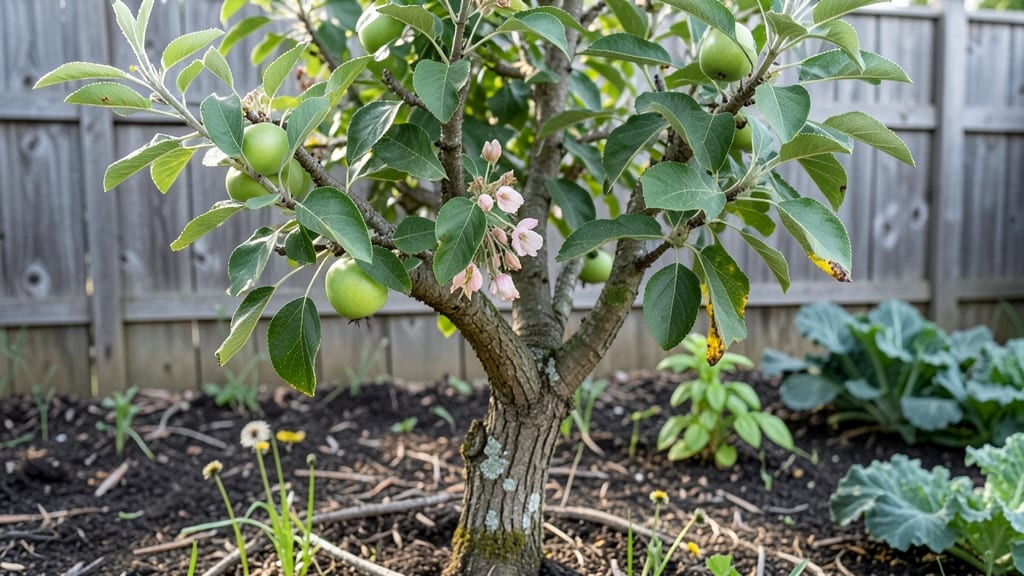
That strange greenish film on your apple tree leaves isn’t just a cosmetic issue—it’s a silent signal your tree’s fighting something serious. 🌱 I’ve seen apple scab, mites, and even nutrient deficiencies all masquerade as "just green," but the real damage happens when you ignore it.
The good news? Most of these problems respond fast to the right organic fix once you know what to look for.
Apple scab shows up as olive-green, velvety spots that spread like ink in water, while spider mites leave yellow stippling and a fine webbing between leaves. Nutrient deficiencies? They’re sneaky—yellowing between veins (iron) or purple stems (phosphorus) can look like disease at first glance.
The key is checking both the leaves and the bark for clues, because what you see above ground often starts below it.
You can turn things around in just a few weeks with copper spray for scab, neem oil for mites, or a balanced organic fertilizer for deficiencies.
Prune out infected branches in dry weather to stop the spread, and keep the area under your tree clear—wet leaves are an open invitation to fungal problems. By mid-summer, your tree could be back to healthy, glossy green growth.
This works for backyard orchards, urban trees, and even container-grown apples. The same principles apply whether you’re dealing with a young sapling or a mature tree that’s just gotten sluggish. Let’s get your tree back to thriving—before the problem turns into a full-blown crisis.
Root Causes Behind Leaf Discoloration
Understanding why your apple tree leaves turn an unnatural green—often accompanied by yellowing, mottling, or dark spots—requires peeling back the layers of plant physiology and environmental stress. Here’s a breakdown of the most common culprits, explained in clear, actionable terms:
A lush green apple tree relies on a balanced diet of macronutrients (nitrogen, phosphorus, potassium) and micronutrients (iron, magnesium, zinc, manganese).
When these are out of whack, leaves send distress signals—sometimes as unnatural green hues, especially when paired with yellowing between veins (a classic sign of iron or magnesium deficiency).
- Nitrogen Overload: Too much nitrogen (common with over-fertilization) can cause dark, glossy green leaves while stunting fruit production. The tree prioritizes foliage growth over flowering. - Fix: Test soil pH (ideal: 6.0–7.0) and adjust with sulfur or lime.
Use a balanced organic fertilizer (e.g., 5-5-5 ratio) in early spring. - Micronutrient Starvation: Compacted or alkaline soil locks out essential minerals like iron (chlorosis) or manganese, leading to pale green or yellow patches. - Fix: Apply chelated iron or Epsom salt (magnesium sulfate) in spring.
For manganese, use fish emulsion or kelp meal.
Pathogens like apple scab (Venturia inaequalis), powdery mildew, or fire blight (Erwinia amylovora) can trigger greenish discoloration, often with dark spots, crusty lesions, or leaf curling. These diseases thrive in humid, rainy conditions and weak trees.
- Apple Scab: Causes olive-green to black spots on leaves, which may turn yellow and drop prematurely.
- Fix: Prune infected branches in dry weather and apply copper fungicide or neem oil before buds swell in spring.
- Powdery Mildew: Leaves develop a white, powdery coating but may also appear dull green due to reduced photosynthesis.
- Fix: Improve airflow with proper pruning and spray with baking soda solution (1 tbsp baking soda + 1 quart water + a drop of soap) weekly.
Extreme conditions—whether too much sun, heat, or cold—can shock your apple tree, leading to stress-induced green discoloration. Look for uneven patterns (e.g., scorch marks, wilting) to pinpoint the issue.
- Heat or Sunburn: Intense sunlight (especially on young trees) causes bronzing or greenish patches on leaf edges. - Fix: Provide afternoon shade with shade cloth or plant windbreaks.
Water deeply in the early morning to reduce stress. - Cold Damage: Late frosts or winter desiccation can lead to greenish, water-soaked spots that later turn brown. - Fix: Apply mulch (4–6 inches) around the base to insulate roots. Avoid pruning in late fall/winter.
Sap-sucking pests like aphids, mites, or scale insects drain nutrients, causing leaves to appear stunted, curled, or abnormally green. Check the undersides of leaves for tiny webs, eggs, or sticky residue (honeydew).
- Spider Mites: Cause stippling (tiny green/yellow dots) and webbing, especially in dry heat. - Fix: Blast off mites with a strong water spray and introduce predatory mites or neem oil. - Apple Leafcurling Midge: Larvae roll leaves into tubes, leading to yellow-green, deformed growth. - Fix: Remove and destroy infested leaves.
Apply kaolin clay as a barrier.
Poor drainage, compacted soil, or root rot (from overwatering or fungal infections like Phytophthora) can strangle your tree’s nutrient uptake, resulting in pale green, wilting leaves.
- Waterlogged Roots: Roots suffocate, leading to chlorosis (yellow-green leaves). - Fix: Improve drainage with organic matter (compost) and raise planting beds if needed.
Avoid overwatering—stick to 1–1.5 inches per week. - Soil pH Imbalance: Alkaline soil (pH >7.0) locks out iron and manganese, causing interveinal chlorosis. - Fix: Lower pH with elemental sulfur or peat moss. For acidic soil, add lime.
- Herbicide Drift: If nearby lawns were treated with glyphosate, your tree may show greenish, twisted leaves. - Fix: Apply chelating agents (like Sequestrene) to help uptake blocked nutrients. - Viral Infections: Rare but possible (e.g., Apple Mosaic Virus), causing mottled green/yellow patterns. - Fix: Remove infected trees immediately to prevent spread.
No cure exists—focus on prevention (sterilize tools, buy certified virus-free stock).
Fixing Apple Tree Green Issues Naturally
Revitalizing your apple tree starts with identifying the root cause—whether it’s fungal infections, nutrient deficiencies, or environmental stress. Below are practical, organic solutions tailored to each issue, along with prevention tips to keep your tree thriving.
Fungal infections like powdery mildew or apple scab often appear as greenish-gray patches, black spots, or distorted leaves. Here’s how to tackle them:
🔥 Step 1: Prune Infected Branches
- 🌿 Remove all visibly diseased leaves, twigs, or branches using sterilized pruners (wipe with rubbing alcohol between cuts).
- 🗑️ Dispose of clippings in a sealed trash bag—do not compost them to prevent reinfection.
🍳 Step 2: Apply Organic Fungicides
Use baking soda spray (mix 1 tbsp baking soda + 1 tsp dish soap + 1 gallon water) or neem oil spray (1 tbsp neem oil + 1 tsp mild soap + 1 quart water).
Spray early morning or evening to avoid leaf burn.
👨🍳 Step 3: Improve Air Circulation
- 🌳 Thin out dense foliage to allow sunlight and airflow.
- 🌱 Space trees properly (15–20 ft apart) to reduce humidity buildup.
⏰ Prevention Tips
✅ 💡 Water at the base (avoid overhead sprinkling). ✅ 🌡️ Mulch with straw or wood chips to regulate soil moisture. ✅ ✨ Plant resistant varieties like ‘Liberty’ or ‘Enterprise’ if fungal issues persist.
If your apple tree shows green veins with yellow leaves, it may lack iron, magnesium, or nitrogen. Here’s how to fix it:
🔪 Step 1: Test Soil pH
- 📊 Ideal pH for apple trees: 6.0–6.5. Use a soil test kit (available at garden centers).
- 🌱 If too alkaline (high pH), mix chelated iron or sulfur into the soil.
🍎 Step 2: Fertilize Organically
- 🥗 For nitrogen (green leaf growth): Use composted manure or fish emulsion.
- 💪 For magnesium (yellowing between veins): Apply Epsom salt spray (1 tbsp per gallon of water) every 2 weeks.
- 🍂 For iron (yellowing new leaves): Use iron sulfate granules or liquid iron chelate.
🎯 Prevention Tips
✅ 💡 Top-dress with compost annually in early spring. ✅ 🌡️ Avoid overwatering—root rot can worsen deficiencies. ✅ ✨ Monitor soil health yearly with tests.
If your tree looks wilting, stunted, or has crispy edges, it may be struggling with stress from weather or soil issues.
🔥 Step 1: Adjust Watering Practices
- 💧 Deep water 1–2 times per week (1–2 inches per session).
- 🌧️ Use drip irrigation to keep moisture consistent.
🍳 Step 2: Improve Soil Drainage
- 🏗️ Amend heavy clay soil with compost or perlite.
- 🚫 Avoid planting in low spots where water pools.
👨🍳 Step 3: Provide Shade & Mulch
- 🌳 Use shade cloth in extreme heat.
- 🍂 Apply 3–4 inches of mulch (wood chips or straw) to retain moisture.
⏰ Prevention Tips
✅ 💡 Choose drought-resistant varieties like ‘Gala’ or ‘Fuji’ for hot climates. ✅ 🌡️ Monitor weather forecasts and protect young trees in frost or heatwaves. ✨ ✨ Train trees properly to avoid overcrowding.
Final Note: Consistency is key! Check your tree weekly for early signs of trouble, and act fast before issues spread. With these organic, low-cost fixes, your apple tree will bounce back—and you’ll enjoy healthier leaves, better fruit, and fewer green disease worries! 🍏🌿
Frequently asked questions
Why are my apple tree leaves turning an unnatural shade of green?
Unnatural green hues often signal nutrient imbalances like iron or magnesium deficiency (yellowing between veins) or excess nitrogen (dark, glossy leaves). Fungal diseases like apple scab can also cause olive-green spots. Check for other symptoms like leaf curling or webbing to pinpoint the issue.
Can I use store-bought fungicides on my apple tree?
Yes, but opt for organic options like copper fungicide or neem oil to avoid chemical buildup. For mild cases, a baking soda spray (1 tbsp baking soda + 1 tsp soap + 1 gallon water) works well. Always follow label instructions and reapply after rain.
How do I know if my apple tree has a nutrient deficiency?
Look for specific patterns: Yellowing between veins = iron/magnesium deficiency; purple stems = phosphorus deficiency; small, dark leaves = nitrogen deficiency. Test your soil (ideal pH: 6.0–6.5) and amend with compost or chelated minerals as needed.
Will pruning help my apple tree recover from green discoloration?
Prune infected or diseased branches in dry weather to improve airflow and stop fungal spread. Remove 10–20% of the canopy to reduce humidity. Sterilize tools with rubbing alcohol between cuts to prevent cross-contamination.
How often should I fertilize an apple tree with green leaf issues?
Apply a balanced organic fertilizer (5-5-5 ratio) in early spring and again in mid-summer if needed. Over-fertilizing can worsen problems—stick to 1–2 applications per year and water deeply after each session.