
Leaf Blower
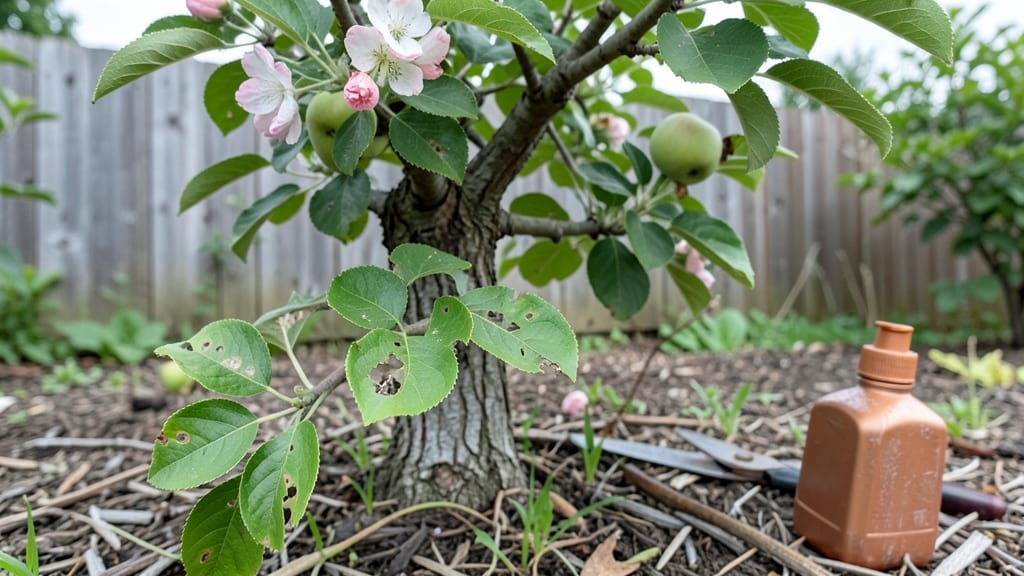
The tree’s treatment for apple leaf curl starts with copper sprays and precise timing—before the fungal disease twists your harvest into a red, ruined mess. 🌱 I’ve seen this plague turn lush foliage to brittle wreckage, until I cracked the spray schedule that saved my orchard. it up for good.
The key is catching it early and hitting it twice: once with dormant oil in late winter, then again with fungicide just as buds swell. Prune out infected branches first, and improve airflow around the tree to keep spores from spreading.
Most gardeners miss the second spray—that’s when the fungus gets the upper hand.
Within weeks, your leaves will unfurl green and healthy, and next year’s fruit won’t show a single curl. The secret isn’t just the spray—it’s the timing. Get it right, and you’ll save your tree’s productivity for decades. Let’s break down the exact schedule that works.
Works for home orchards, backyard trees, and even container-grown apples. The same principles apply whether you’re dealing with a single tree or a small grove. Ready to reclaim those lush, disease-free leaves?
Why it happens
Leaf curl in apple trees is a frustrating sight—twisted, puckered leaves that stifle growth and reduce fruit quality. But why does this happen? The issue typically stems from a mix of fungal infections, environmental stressors, and poor tree health.
Below, we break down the most common culprits and the science behind them.
🍄 Fungal Pathogens: The Primary Culprit
The most notorious cause of leaf curl in apple trees is the Venturia inaequalis fungus, which thrives in damp, cool conditions. This pathogen overwinters in infected leaves, buds, or even tree bark, then spreads via wind or splashing water when conditions become favorable.
Once spores land on young, tender leaves, they germinate and penetrate the tissue, causing:
- Cell distortion: The fungus secretes enzymes that disrupt normal cell growth, leading to curled, thickened leaves.
- Necrotic spots: As the infection progresses, dark brown or black spots may appear, signaling cell death.
- Premature leaf drop: Severe infections weaken the tree’s ability to photosynthesize, forcing it to shed leaves early.
Pro tip: 🌡️ Fungal spores are most active between 40–60°F with high humidity—ideal conditions for outbreaks in spring.
🌧️ Environmental Stressors: Moisture and Temperature
Leaf curl doesn’t just appear out of nowhere—it’s often triggered or worsened by:
- Excessive moisture: Prolonged rain or overhead watering keeps leaves wet, creating the perfect breeding ground for fungal spores. Wet foliage for 12+ hours dramatically increases infection risk.
- Poor air circulation: Dense plantings or thick canopies trap humidity, while shady, low-lying areas with stagnant air accelerate fungal spread.
- Temperature swings: Rapid shifts from cold nights to warm days stress the tree, making it more susceptible to infection. Spring frost followed by sudden warmth is a classic recipe for leaf curl.
Pro tip: 💡 If your orchard is prone to fog or morning dew, consider drip irrigation or soaker hoses to keep foliage dry.
🌱 Weakened Tree Health: The Underlying Factor
A healthy apple tree has natural defenses, but stress from nutrient deficiencies, poor soil, or physical damage leaves it vulnerable. Common weak points include:
| Factor | How It Contributes |
|---|---|
| Nitrogen deficiency | Leaves turn pale yellow (chlorosis), reducing energy for fungal resistance. Test soil pH—ideal range for apple trees is 6.0–7.0. |
| Compacted or waterlogged soil | Roots struggle to absorb water/nutrients, weakening the tree’s immune response. Amend soil with compost or sand if drainage is poor. |
| Physical damage (pruning wounds, hail, pests) | Open wounds provide entry points for fungi. Always sterilize pruning tools with rubbing alcohol to prevent cross-contamination. |
| Over-fertilization | Excess salts or synthetic fertilizers can burn roots, making the tree more susceptible to infections. |
Pro tip: ✨ Mulch properly—keep mulch 3–4 inches deep and 6 inches away from the trunk to prevent moisture buildup and root rot.
🐛 Pests and Secondary Invaders
While fungi are the main offenders, pests like aphids, mites, or scale insects can weaken trees by feeding on sap, creating wounds, or even spreading fungal spores on their bodies. For example:
- Aphids excrete honeydew, a sticky residue that fosters sooty mold—a secondary fungus that further stresses the tree.
- Spider mites thrive in dry conditions and pierce leaf cells, making them easier targets for Venturia inaequalis.
Pro tip: 🔥 Monitor for pests early—use a magnifying glass to check undersides of leaves for webbing or tiny eggs.
Fixing Leaf Curl in Apple Trees
Got leaf curl on your apple trees? Don’t panic—this fungal disease is treatable, and with the right approach, you can restore your trees to full health. Below are practical, step-by-step solutions tailored to the most common causes, plus prevention tips to keep your orchard thriving.
Catching leaf curl early is key!
If you spot puckered, reddish-brown leaves in early spring, act fast: - Prune infected branches (🔪) with sterilized shears to prevent spread. - Remove and destroy fallen leaves—do not compost them (🚫🗑️). - Rake up debris around the tree base to eliminate fungal spores.
Pro Tip: 💡 Check your trees in late winter or early spring before buds swell—this is when leaf curl is most visible.
Leaf curl is caused by the Venturia inaequalis fungus, so copper-based or sulfur fungicides are your best defense. Here’s how to apply them effectively:
🔥 Pre-Bloom Spray (Critical Step!)
- When? Apply 2–4 weeks before bud break (usually late winter/early spring).
- What to Use:
- Copper fungicide (e.g., Bordeaux mixture) – kills spores before they infect new leaves.
- Sulfur-based sprays (like Liqui-Cop) – effective but avoid if temps are above 85°F (29°C).
- How to Apply:
- Spray thoroughly, covering both sides of leaves and branches (👨🍳🌿).
- Use a high-pressure sprayer for deep penetration.
🍎 Post-Bloom Follow-Up (If Needed)
- If you see new infections after blooming, apply a second spray with a systemic fungicide (e.g., Myclobutanil or Propiconazole).
- Timing: Spray 7–10 days after petal fall (when fruit is pea-sized).
Pro Tip: ⏰ Follow the 7-day weathering rule—avoid spraying if rain is forecasted within 7 days to prevent wash-off.
Not a fan of chemicals? Try these natural solutions:
🍄 Baking Soda Spray (Mild but Effective)
- Mix: 1 tbsp baking soda + 1 tsp dish soap + 1 gallon water.
- Apply: Spray every 7–10 days starting in late winter.
- Why? Raises leaf pH, making it harder for fungus to thrive.
🌿 Neem Oil or Horticultural Oil
- When? Apply dormant season (winter) or early spring.
- How? Mix 1–2% neem oil with water and spray until branches drip.
- Caution: Avoid if temps are below 40°F (4°C)—it can damage buds.
🌳 Tree Health Boost
A strong tree resists disease better. Improve health with:
- Proper watering (deep, infrequent watering 💧).
- Balanced fertilizer (high in potassium and phosphorus).
- Mulching (2–3 inches of wood chips or straw to retain moisture).
Pro Tip: ✨ Plant resistant apple varieties like ‘Liberty’ or ‘Enterprise’ if leaf curl is recurrent.
If your tree is heavily infected (over 50% of leaves curled) or fruits are dropping prematurely, consider:
- Consulting an arborist for professional fungicide injections.
- Removing the tree if it’s beyond saving (🌳💔) to prevent spread to other trees.
Stop leaf curl before it starts with these easy habits: ✅ Sanitize pruning tools with rubbing alcohol between cuts. ✅ Space trees properly (10–15 ft apart) for better airflow. ✅ Avoid overhead watering (💦🚫) to keep leaves dry. ✅ Monitor weather—leaf curl thrives in cool, wet springs. ✅ Rotate fungicides yearly to prevent resistance.
Final Thought: With consistent sprays, pruning, and preventive care, your apple tree can bounce back stronger—and you’ll be enjoying juicy, disease-free fruit in no time! 🍏🌟
Frequently asked questions about apple tree leaf curl
What are the first signs of leaf curl in apple trees?
Look for puckered, thickened leaves that appear reddish-brown on the underside in late winter or early spring. These distorted leaves often appear before buds fully open. The fungus Venturia inaequalis causes this distortion by disrupting cell growth.
Can I use household items like vinegar to treat leaf curl?
Vinegar alone won’t cure leaf curl—it’s too acidic and won’t effectively kill the fungus. However, you can use a baking soda spray (1 tbsp baking soda + 1 tsp dish soap + 1 gallon water) as a mild preventive. For serious infections, stick to copper fungicides or neem oil for better results.
How often should I spray fungicide for leaf curl prevention?
Apply a pre-bloom spray (2–4 weeks before buds open) and a post-bloom spray (7–10 days after petal fall). For severe cases, add a third spray during fruit set. Always follow the 7-day weathering rule—avoid spraying if rain is forecasted within 7 days to prevent wash-off.
Will pruning infected branches stop leaf curl from spreading?
Yes, but it’s only part of the solution. Prune infected branches in dormant season (late winter) using sterilized tools, then destroy the debris (don’t compost). Combine this with fungicide sprays for the best results—pruning alone won’t eliminate the fungus.
Are there apple tree varieties resistant to leaf curl?
Yes! Varieties like ‘Liberty’, ‘Enterprise’, and ‘Akane’ are bred for resistance. If leaf curl is a recurring issue, consider replacing susceptible varieties with these disease-resistant options. Even resistant trees benefit from preventive sprays for optimal health.