
Pruning
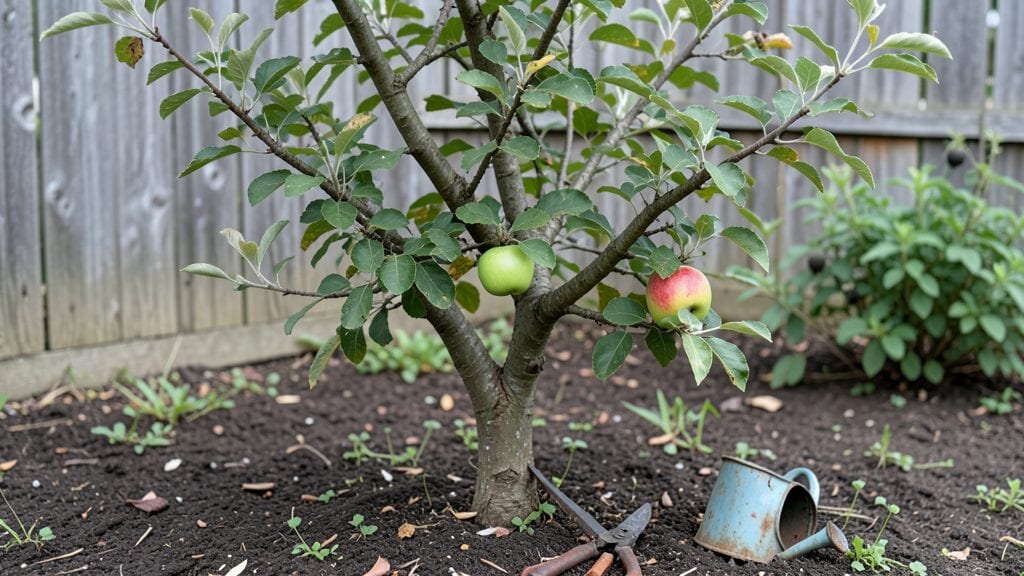
Your apple tree’s health—and that first harvest of crisp, juicy fruit—starts with apple tree maintenance done right. 🌱 I’ve learned the hard way that skipping winter pruning or ignoring soil pests can turn a promising young tree into a sad, sparse shadow of its potential.
The good news? With just a few focused tasks each season, you can keep your tree thriving for decades.
This isn’t about complicated schedules or expensive tools—just sharp pruners, a little knowledge, and a commitment to doing one key thing every few months.
We’ll cover when to prune (dormant season is your best friend), how to spot early signs of fire blight or borers, and the simple soil tests that reveal what your tree really needs. Even if you’ve killed a tree before, these steps are foolproof once you know the basics.
By the end, you’ll have a tree that produces heavier, higher-quality fruit year after year—and fewer headaches. No more guessing whether those brown spots are disease or just summer stress.
The secret lies in timing, organic pest control, and understanding what your tree’s natural shape should look like. Let’s get started with the first critical step: winter pruning.
Works for both backyard orchards and single trees in urban yards—just adjust the scale. The principles stay the same, whether you’ve got a dwarf variety in a pot or a full-size tree in your pasture. Here’s how to make it happen without the overwhelm.
📚 In This Guide
- What you need
- Instructions
- Tips and common mistakes
- Wrapping up and next steps
What you need
- ● Pruning shears: Sharp, bypass-pruners (2-4 inches blade length) for small branches.
- ● Loppers: 8-10 inch loppers for medium branches (1-2 inches thick).
- ● Pruning saw: Curved-blade saw for thick branches (2+ inches).
- ● Gloves: Heavy-duty, cut-resistant gloves (e.g., leather or synthetic mesh).
- ● Disinfectant: 70% isopropyl alcohol or bleach solution (1 part bleach to 9 parts water) to sterilize tools.
- ○ Pruning sealant: Optional but helpful for large cuts (e.g., tree wound dressing).
- ● Ladder or step stool: Sturdy, extendable ladder (for trees over 6 feet tall).
- ● Tarp or drop cloth: To collect debris and protect the ground.
- ○ Pruning bag or bucket: For collecting cuttings (optional but convenient).
- ● Pole pruner: For high branches without a ladder.
- ● Tree sprayer: For applying fungicides or insecticides (e.g., horticultural oil or neem oil).
- ● Soil tester kit: To check pH and nutrient levels before fertilizing.
- ● Organic fertilizer: Balanced NPK (e.g., 10-10-10) or compost for spring feeding.
- ● Mulch: Wood chips or straw (2-4 inches deep) to retain moisture.
- ● Bird netting: For young trees to protect fruit from pests.
Instructions for year-round apple tree care
Here’s how to keep your fruit-bearing tree thriving through every season.
✂️ Step 1: Prune for Structure in Late Winter
Wait until dormancy (after the last frost but before buds swell) to prune. Use sterilized pruning shears to remove dead, diseased, or crossing branches first—these block airflow and invite pests. Cut just outside the branch collar (the swollen area where the branch meets the trunk) to prevent wounds.
Next, shape the tree by opening the canopy to sunlight. Aim for an open-center form with a strong central leader. Remove suckers (shoots growing from the base) and water sprouts (vertical shoots from branches) immediately—they drain energy from fruit production. You’ll see new growth emerge within 2-3 weeks if pruning was done correctly.
🌿 Step 2: Thin Fruit in Early Spring
Once blossoms appear, thin clusters to 6-8 inches apart to prevent overcrowding. Remove smaller or misshapen fruit first—this ensures larger, sweeter apples. Use sharp pruners to avoid tearing branches. Thin before June drop (when the tree naturally sheds excess fruit) for best results.
Thinning also reduces disease risk. Overcrowded fruit traps moisture, leading to rot or fungal infections. You’ll notice fewer apples now, but each will be larger and higher quality by harvest. If you’re unsure, thin 10-20% of the blossoms as a starting point.
☀️ Step 3: Monitor for Pests and Diseases Mid-Summer
Inspect leaves and fruit every 2 weeks for signs of aphids, codling moths, or apple scab. Remove infested leaves immediately and dispose of them in sealed bags. Apply organic sprays (like neem oil) before pests appear—once they’re established, control is harder.
Water deeply once a week during dry spells to encourage deep root growth. Avoid wetting foliage to prevent fungal spread. If you see yellowing leaves, check for fire blight (a bacterial infection) and prune infected branches 6 inches below the damage to stop the spread.
🪴 Step 4: Fertilize and Mulch in Fall
Apply a balanced fertilizer (10-10-10) in early fall to replenish nutrients lost during fruit production. Spread 2-3 inches of organic mulch (like wood chips) around the base, keeping it 6 inches away from the trunk to prevent rot. Mulch retains moisture and regulates soil temperature.
This is also the time to plant grass or ground cover nearby to reduce weed competition. Avoid heavy mulch piles—too much can suffocate roots. By winter, your tree will be better insulated against temperature swings and ready for dormancy.
⏰ Step 5: Plan for Next Year’s Growth
Take notes on fruit yield, pest issues, and pruning adjustments to refine your approach. Mark branches that need attention with twist ties so you don’t miss them next winter. If your tree is young, consider training branches to a permanent structure now to avoid last-minute cuts later.
Prune lightly in late winter again to maintain shape. Over time, you’ll develop a rhythm—less pruning for young trees, more for mature ones. A well-maintained apple tree can produce fruit for decades, so consistency is key.
Tips & tricks for perfect apple tree maintenance
These simple strategies will help you avoid common mistakes and keep your tree thriving year after year.
Timing is Everything: The late winter pruning window is your best friend—this is when your tree is dormant, so it won't bleed sap and can handle cuts better. I always check my local frost dates and mark the calendar for 2-3 weeks after the last frost. If you prune too early, you risk frost damage; too late, and buds start swelling, making cuts more stressful for the tree. The 2-3 week growth you'll see afterward is your reward for perfect timing!
Tool Intelligence: Sterilizing your pruning shears between cuts is non-negotiable. I use a 1:10 bleach-to-water solution to wipe them down after each diseased branch. This prevents spreading infections from one part of the tree to another. For large branches, I invest in bypass pruners—they make cleaner cuts that heal faster than the old anvil-style shears. Remember, the goal is to make cuts that the tree can seal off quickly to prevent disease entry points.
Thinning Strategy: When thinning fruit in Step 2, I always start by removing the smallest apples first—this gives the remaining fruit more room to grow. Use your fingers to gently twist the fruit off rather than cutting stems, which can damage the branch. If you're unsure how many to remove, think about your tree's maturity: young trees can handle fewer apples, while mature trees can support more. The 6-8 inch spacing guideline is perfect for standard-size apples—closer spacing leads to smaller fruit.
Pest Prevention: The 2-week inspection schedule in Step 3 is crucial, but I take it a step further by keeping a simple log of what I find. Note the location of pests and the time of year they appear—this helps you stay one step ahead. For organic sprays, I mix neem oil with water and a drop of dish soap as an emulsifier. Apply it in the early morning to avoid harming bees and other beneficial insects. The key is consistency: pests don't give up, so neither should you!
Pro Tips for Apple Tree Maintenance
- These simple strategies will help you avoid common mistakes and keep your tree thriving year after year.
- Timing is Everything: The late winter pruning window is your best friend—this is when your tree is dormant, so it won't bleed sap and can handle cuts better.
- Tool Intelligence: Sterilizing your pruning shears between cuts is non-negotiable.
Frequently asked questions
Got questions about keeping your apple tree thriving?
Here are answers to the most common concerns—from pruning timing to pest troubleshooting—so you can maintain a healthy, fruit-bearing tree all year round.
When is the best time to prune an apple tree?
Prune dormant apple trees in late winter or early spring (before buds swell) to avoid disease spread. Light summer pruning (after harvest) helps airflow and removes water sprouts. Never prune in fall—it invites pests and fungal infections. Timing matters!
How much should I trim off an apple tree?
Aim to remove 20-30% of the tree’s total growth in a single session, but never cut more than one-third in one year. Focus on dead, crossing, or overcrowded branches first. Thin out (remove entire branches) rather than heading back (cutting back growth)—this encourages stronger structure.
What should I do if my apple tree has pests or diseases?
Start with preventive care: Remove fallen fruit, thin canopies for airflow, and apply organic sprays (neem oil, copper fungicide) in early spring. For aphids, codling moths, or fire blight, prune infected branches 6 inches below the damage and sterilize tools with rubbing alcohol. Monitor regularly!
Can I prune an apple tree too much?
Yes! Over-pruning stresses the tree, reduces fruit production, and invites decay. Signs of over-pruning include excessive leaf loss, weak new growth, or no fruit. If you’ve cut too much, stop pruning for a year and focus on fertilization and watering. Patience helps the tree recover!
What’s the difference between pruning young vs. mature apple trees?
| Young Trees (1–3 years) | Mature Trees (4+ years) |
|---|---|
| Focus on open-center shape to encourage light penetration. Remove suckers (shoots from the base) and water sprouts. | Prioritize fruit-bearing branches and thin out dense growth. Aim to remove deadwood and improve airflow. |
| Prune lightly—just enough to establish structure. | Prune selectively to renew vigor and prevent disease. |
Wrapping up and next steps
Maintaining your apple tree doesn’t have to be overwhelming—just a little strategic care goes a long way! 🌳 By staying on top of pruning, pest control, and seasonal tasks, you’ll ensure a bountiful harvest year after year.
Now that you’re armed with the right tools and knowledge, take that first step—schedule your next pruning session or check for early signs of pests. Your tree (and future apple pies!) will thank you.
Pro Tip: Keep a simple maintenance calendar to track tasks—consistency is key!