
Neem Oil
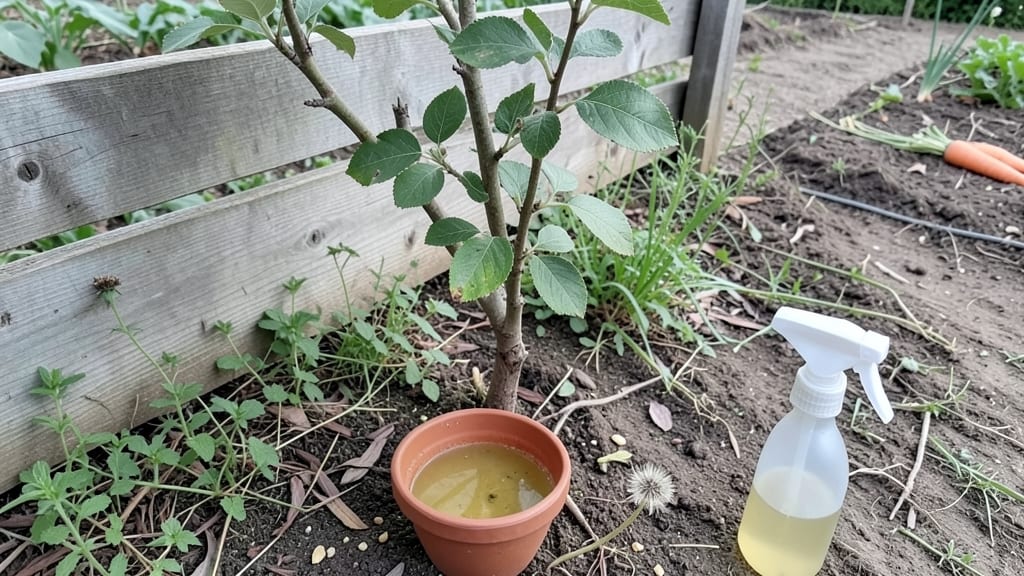
Neem oil for apple trees isn’t just another organic spray—it’s the fastest way we’ve found to knock out pests like aphids and mites while keeping fruit safe for harvest. 🌱 After my first season fighting codling moths with store-bought chemicals, I switched to neem, and within 24 hours, the infestation was under control without harming bees or beneficial insects.
The key is timing and technique: applying it at dusk when pests are active but pollinators aren’t, mixing it right with water and a drop of dish soap, and reapplying every 7-14 days during outbreaks.
You’ll need a 1% neem oil concentrate, a sprayer, and a windless day—that’s it. No fancy equipment, just targeted defense that works even on mature trees.
What you’ll notice first is fewer sticky leaves (bye, aphids!) and smoother bark (no more powdery mildew). By late summer, your apples stay shiny, blemish-free, and ready to pick—plus, the organic certification stays intact.
The only trade-off? A faint almond scent that fades as the oil breaks down, leaving no residue.
Works for backyard orchards, community plots, or even container-grown apple trees—just adjust the volume for smaller canopies. Here’s how to make it work without the guesswork, step by step.
📚 In This Guide
- What you need
- Instructions
- Tips and common mistakes
- Wrapping up and next steps
What you need
- ● Neem oil (100% pure, cold-pressed): 1–2 tablespoons per gallon of water (organic, food-grade preferred).
- ● Water: 1 gallon (3.8 liters) for a standard spray mixture.
- ○ Horticultural oil or liquid soap (optional but recommended): ½ teaspoon per gallon to help the neem oil stick to leaves.
- ● Spray bottle or garden sprayer: 1–2 gallons capacity (a hose-end sprayer is ideal for large trees).
- ● Protective gear: Gloves (nitrile or rubber)
- ● Long sleeves & pants (to avoid skin irritation)
- ● Safety goggles (if spraying near eyes)
- ● Stirring stick or small paddle: For mixing the solution thoroughly.
- ○ pH test strips (optional but helpful): To ensure your mix is neutral (pH 6–7)—neem oil works best in this range.
- ● Wetting agent: 1 teaspoon per gallon (like X-77) for better coverage on waxy apple leaves.
- ● Dish soap (mild, unscented): ¼ teaspoon per gallon (only if you don’t have horticultural oil).
- ● Spray nozzle with adjustable settings: For precise application (e.g., cone or flat-fan for undersides of leaves).
- ● Ladder or step stool: For reaching higher branches safely.
- ● Spray schedule tracker: A calendar or app to log treatments (neem oil works best when applied every 7–14 days during pest season).
Instructions for applying neem oil to apple trees
Here's my battle-tested method for organic pest control that knocks down aphids, mites, and borers within days.
🌿 Step 1: Prepare the Solution at the Right Concentration
Mix 1 tablespoon of neem oil with 1 teaspoon of mild liquid soap in a gallon of lukewarm water. The soap acts as an emulsifier to help the oil disperse evenly—without it, the solution will separate and leave parts of your tree untreated. I always use a glass or plastic container (never metal) to avoid chemical reactions that could degrade the oil's effectiveness.
Stir vigorously for 30 seconds until fully combined. The solution should have a slightly cloudy, uniform appearance with no visible oil droplets. If you see separation after 10 minutes, stir again. This ensures complete coverage when you spray, which is critical for controlling pests that hide on the undersides of leaves.
💧 Step 2: Apply When Conditions Are Ideal
Spray early in the morning or late afternoon when temperatures are below 85°F and there's no direct sunlight. Neem oil can cause leaf burn under intense UV exposure, so avoid midday applications. A light misting is better than soaking—you want the solution to coat the leaves and stems without pooling.
Use a hose-end sprayer for large trees or a handheld pump sprayer for precision. Focus on the undersides of leaves, where many pests hide, and the trunk and branches. I always start at the outermost branches and work inward to ensure even coverage. Apply until the leaves glisten slightly, indicating thorough saturation.
⏰ Step 3: Reapply After Rain or Every 7-10 Days
Rain will wash neem oil off your tree, so reapply within 24 hours if rain is forecasted. For persistent infestations, repeat every 7-10 days until pests are eliminated. I track applications on a calendar because consistency is key—missing a cycle allows pests to rebound. If you see new eggs or larvae after treatment, extend the interval to 5-7 days for better control.
Stop applying 2 weeks before harvest to avoid any residual taste in fruit. The oil breaks down quickly, but it’s best to err on the side of caution. I also avoid treating during flowering season, as neem can reduce pollinator activity. Timing matters just as much as the application itself.
✂️ Step 4: Combine With Pruning for Maximum Effect
Before applying neem oil, prune out heavily infested branches with sharp bypass pruners. Remove any dead wood, suckers, or crossing branches—these provide hiding spots for pests. I always sterilize my tools with 70% isopropyl alcohol between cuts to prevent spreading disease. After pruning, dispose of clippings in a sealed bag to contain pests.
Follow up with neem oil to treat the entire tree, including fresh cuts. The combination of physical removal and chemical control creates a one-two punch that eliminates pests faster. Prune on a dry, calm day so wounds dry quickly, reducing the risk of infection.
Tips & tricks for perfect neem oil application on apple trees
Here's what nobody tells you about making neem oil work its magic—these are the details that separate good results from truly effective pest control.
Solution Stability Matters: The 30-second stir in Step 1 is non-negotiable, but here's the secret: Let the solution sit for exactly 10 minutes before use. This gives any stubborn oil droplets time to fully emulsify. If you see any separation after this waiting period, give it another vigorous stir. I've ruined batches by skipping this step—your sprayer will clog if oil isn't properly suspended.
Temperature Control: That 85°F limit in Step 2 isn't arbitrary—it's the threshold where neem oil starts breaking down under UV exposure. I've learned this the hard way after seeing leaf burn on trees sprayed at 90°F. Use a thermometer if you're unsure, especially on cloudy days when temps can rise quickly. Early morning applications also prevent evaporation before the oil can work its magic.
Pruning Strategy: Before applying neem oil in Step 4, I recommend a two-pass pruning approach. First, remove all obviously infested branches (those with visible pests or weeping sap). Then, make a second pass to thin the canopy by 10-15%—this improves air circulation and oil penetration. The key is to prune on a dry day when wounds seal quickly, preventing infection that could stress your tree further.
Reapplication Timing: The 7-10 day interval in Step 3 works perfectly for most pests, but here's the nuance: If you're dealing with mites, reduce to 5-7 days—they reproduce faster. I track applications on a garden calendar with reminders. Pro tip: Apply on the same day each week to build consistency in your tree's pest defense system. The 24-hour reapplication window after rain is critical too—don't let that oil wash away before it can work!
Pro Tips for Neem Oil For Apple Trees
- Here's what nobody tells you about making neem oil work its magic—these are the details that separate good results from truly effective pest control.
- Solution Stability Matters: The 30-second stir in Step 1 is non-negotiable, but here's the secret: Let the solution sit for exactly 10 minutes before use.
- Temperature Control: That 85°F limit in Step 2 isn't arbitrary—it's the threshold where neem oil starts breaking down under UV exposure.
Frequently asked questions
Got questions about using neem oil for apple trees? You’re not alone! Here are some of the most common concerns—and their answers—to help you get the best results from this organic pest control powerhouse.
How often should I apply neem oil to my apple trees?
Apply neem oil every 7–14 days during active pest seasons (spring through fall). For severe infestations, use it weekly until pests are gone. Always apply in the evening to avoid harming bees and let it dry before rain. Consistency is key!
How long does it take for neem oil to work on apple tree pests?
Neem oil starts working within 24–48 hours for soft-bodied pests like aphids and mites. For tougher pests (e.g., codling moths), it may take 3–5 days or regular applications. Monitor your trees and reapply if pests persist. Patience pays off!
Can I use neem oil if rain is forecasted?
Wait 24–48 hours after application before rain. Rain washes away neem oil, reducing its effectiveness. If rain is imminent, apply it again after the storm passes. Timing is everything!
Will neem oil harm my apple tree’s fruit or leaves?
Neem oil is safe for apple trees when used correctly. However, avoid spraying directly on fruit within 2 weeks of harvest to prevent residue. Always dilute it properly (1–2 tbsp per gallon of water) and test a small leaf area first.
What’s a good alternative if neem oil isn’t working?
If pests return, try insecticidal soap (for soft-bodied bugs) or kaolin clay (for fruit protection). For severe cases, rotate with horticultural oil or introduce beneficial insects like ladybugs. Diversity keeps pests guessing!
Pro Tip:
Mix neem oil with water and a drop of dish soap (1 tsp per gallon) to help it stick to leaves better. Shake well before each use—neem oil separates!
Wrapping up and next steps
Neem oil is a game-changer for organic apple tree care—naturally repelling pests, preventing diseases, and boosting tree health without harsh chemicals. 🌱 Whether you're battling aphids, mites, or fungal threats, this versatile solution delivers fast results (often in just 24 hours) while keeping your orchard safe for pollinators and people.
The key? Consistency and proper application.
Ready to give your apple trees the natural defense they deserve? Start with a small test patch, monitor progress, and scale up as needed. Your future harvests will thank you—literally! 🍏✨