Trees
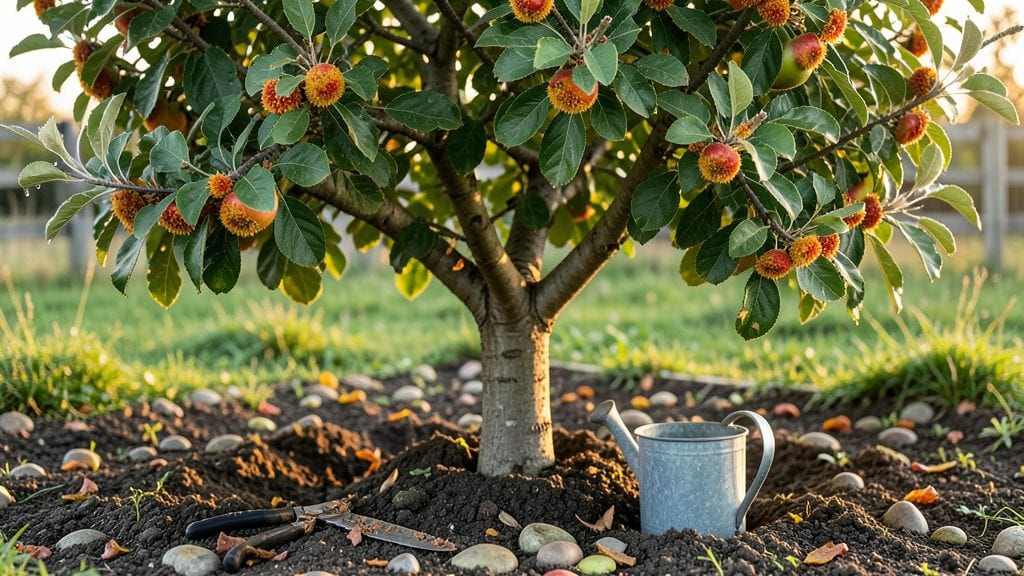
Apple tree rust turns your fruit tree into a sad, yellow-speckled mess if you ignore it. 🌿 I’ve watched this fungus ruin perfectly good harvests, but organic sprays and smart pruning can bring those leaves back to vibrant green in just a few weeks—no harsh chemicals needed.
The problem starts with tiny orange spots on leaves that spread like wildfire. It’s not just unsightly—it weakens the tree, drops fruit early, and invites pests. The good news? Copper-based sprays, neem oil, and proper pruning (cutting out infected branches in late winter) stop it dead in its tracks.
By summer’s end, your tree will look like it did before the rust showed up—thick, healthy foliage and full branches. The key is acting fast when you spot those first spots, so you don’t end up with a skeleton of a tree by harvest time.
Works for cedar-apple rust, apple scab, and other common fungal issues. Here’s how to tackle it before it takes over your orchard—or even that one lonely apple tree in your yard.
Why it happens
Apple tree rust—those unsightly orange or brown spots on leaves—isn’t just a random attack. It’s the result of a fungal infection thriving under specific conditions. Understanding why it happens is the first step to stopping it. Below, we break down the key culprits, from environmental triggers to tree vulnerabilities.
🌧️ Excess Moisture and Humidity
The #1 enemy of apple tree leaves is wetness. Fungal spores like Gymnosporangium juniperi-virginianae (a common apple rust pathogen) need free water to germinate and infect. Here’s how it plays out:
- Rainfall or overhead watering: Prolonged leaf wetness (even 6+ hours) creates the perfect breeding ground. Splashing water from rain or sprinklers spreads spores from infected leaves to healthy ones.
- High humidity: Stagnant, damp air (especially in dense canopies or shaded areas) keeps spores alive longer. Fungi thrive when humidity stays above 75-80% for extended periods.
- Poor drainage: Waterlogged soil around the tree’s roots weakens its defenses, making it easier for rust to take hold.
💡 Pro Tip: Water trees at the base (not the foliage) in the early morning so leaves dry quickly. Use drip irrigation or soaker hoses to avoid wetting leaves.
🍂 Stressed or Weakened Trees
A healthy tree can resist rust, but stress opens the door. Common stressors include:
- Nutrient deficiencies: Low nitrogen, potassium, or iron weakens leaves, making them easier targets. Yellowing leaves (chlorosis) or stunted growth are red flags.
- Physical damage: Hail, pests (like aphids or mites), or improper pruning create entry points for spores.
- Drought or overwatering: Both extremes disrupt the tree’s ability to fight off infections. Wilting or cracked bark signals distress.
- Competition: Overcrowded roots (from grass, weeds, or nearby plants) starve the tree of resources, lowering its immunity.
💡 Pro Tip: Conduct a soil test every 2–3 years to check pH and nutrient levels. Amend soil with compost or organic fertilizer (like fish emulsion) to boost tree vigor.
🌿 Fungal Spores in the Air
Rust fungi don’t just appear—they hitchhike. Spores spread via:
- Wind: Overwintering spores (on juniper leaves or fallen debris) blow onto apple trees in spring, when temperatures rise.
- Insects or wildlife: Bees, birds, or even garden tools can carry spores from infected to healthy trees.
- Contaminated tools/equipment: Pruners, rakes, or even boots can transfer spores between trees.
Once spores land on a leaf, they germinate within 4–12 hours if conditions are right (warm, wet, and humid).
💡 Pro Tip: Sanitize tools with a 10% bleach solution (1 part bleach to 9 parts water) between trees. Remove juniper bushes near apple trees—many rust fungi alternate hosts between apple trees and junipers!
🌡️ Ideal Temperature Ranges
Fungal rust loves moderate warmth. Most apple rust pathogens thrive when:
- Daytime temps: 60–80°F (15–27°C) – Spores germinate fastest in this range.
- Nighttime temps: Above 50°F (10°C) – Cool nights slow fungal growth, but consistent warmth fuels outbreaks.
Extreme heat (above 90°F/32°C) or cold (below 40°F/4°C) can suppress rust, but spring and fall are peak infection windows.
💡 Pro Tip: Monitor your local spore trap reports (from agricultural extensions) to time fungicide applications before spores peak.
🌱 Poor Air Circulation
Tightly packed branches or dense foliage trap moisture and spores, creating a fungal paradise. Poor airflow:
- Slows leaf drying after rain.
- Increases humidity near the tree.
- Allows spores to re-infect the same leaves repeatedly.
💡 Pro Tip: Prune trees in late winter to open the canopy. Aim for 1/3 sky visibility—thin branches to let air and sunlight circulate.
Fixing Fungal Issues Naturally
Apple tree rust—caused by fungi like Gymnosporangium or Venturia—can turn your once-vibrant orchard into a deflated mess if left unchecked. But don’t reach for harsh chemicals just yet! With the right approach, you can restore your tree’s health and prevent future outbreaks using organic, eco-friendly methods.
Below, we break down the most effective solutions, tailored to the root cause of your problem.
Catching rust early is your best defense. If you spot yellow-orange pustules on leaves or distorted, curled foliage, act fast:
- 🔍 Inspect regularly: Check leaves weekly during spring and summer, especially on the undersides where spores love to hide. - 🗑️ Prune infected branches: Use sterilized pruners (wipe with rubbing alcohol between cuts) to remove all infected leaves and stems.
Dispose of them in the trash—not the compost! - 🌬️ Improve airflow: Thin out dense branches to reduce humidity, which fungi thrive in. Aim for open canopies with 6–12 inches of space between growths.
Chemical fungicides can harm beneficial insects and soil health. Instead, try these natural alternatives for treatment:
🍯 Baking Soda Spray (Best for Preventive Care)
- Why it works: Baking soda raises the pH of leaf surfaces, making it harder for fungi to latch on.
- How to make it:
- Mix 1 tbsp baking soda + 1 tsp horticultural oil + 1 tsp mild soap in 1 gallon of water.
- Spray both sides of leaves in the early morning or evening (avoid direct sunlight).
- Frequency: Apply every 7–10 days during peak rust season (spring to early summer).
🌿 Copper Fungicide (For Active Infections)
- Why it works: Copper disrupts fungal spores without harming plants or pollinators (when used correctly).
- How to use:
- Choose a fixed copper fungicide (like copper sulfate) and follow label instructions.
- Spray thoroughly, covering all leaf surfaces, especially undersides.
- ⚠️ Caution: Apply before rain or in early morning to prevent runoff.
Avoid spraying when bees are active.
🍄 Neem Oil (Natural Fungicide & Growth Booster)
- Why it works: Neem oil smothers fungal spores and strengthens the tree’s natural defenses.
- How to apply:
- Mix 1–2 tbsp neem oil + 1 tsp soap in 1 gallon of water.
- Spray evenly on leaves and stems.
Reapply every 7–14 days until symptoms fade. - Bonus: Neem oil also repels aphids and mites—a two-for-one solution!
A healthy tree resists rust better. Boost its immunity with these proactive steps:
💧 Proper Watering Techniques
- Water deeply but infrequently: Rust thrives in wet, stagnant conditions. Water at the base of the tree (not overhead) to keep leaves dry.
- Avoid late-day watering: Wet leaves at night extend moisture, giving fungi more time to spread.
🌱 Soil Health & Fertilization
- Test your soil: Rust-laden trees often suffer from nutrient deficiencies (especially zinc or nitrogen).
- Use compost or organic fertilizer: A balanced 10-10-10 or fish emulsion can help.
Avoid high-nitrogen fertilizers, which promote soft, rust-susceptible growth. - Mulch properly: Apply 2–4 inches of organic mulch (wood chips, straw) to retain moisture without smothering the roots.
🐝 Encourage Beneficial Insects
- Ladybugs, lacewings, and parasitic wasps feed on pests that weaken trees (and make them rust-prone).
- Plant companion flowers: Marigolds, yarrow, and dill attract these helpers while repelling fungal spores.
Once you’ve treated an infection, keep it from returning with these seasonal strategies:
| Season | Action Plan |
|---|---|
| 🌱 Early Spring | Apply dormant oil spray (neem or horticultural oil) to smother overwintering spores. |
| 🌿 Late Spring | Prune and sterilize tools before new growth appears. |
| ☀️ Summer | Monitor weekly and spray preventive fungicides (baking soda or neem) every 2 weeks. |
| 🍁 Fall | Rake and remove fallen leaves (burn or trash them—do not compost!). |
| ❄️ Winter | Clean up debris around the tree’s base to reduce fungal overwintering sites. |
- 🌡️ Temperature matters: Rust spreads fastest in cool (60–70°F), wet conditions.
Plan sprays for dry, mild days. - 🎯 Target young leaves: New growth is most vulnerable—start treatments as buds swell in spring. - ✨ Try reflective mulch: Silver or white mulch (like landscape fabric) can reduce fungal spores by reflecting sunlight. - 🚫 Avoid overhead sprinklers: If you must irrigate, use drip systems to keep leaves dry.
By combining early action, organic sprays, and smart tree care, you can banish rust and keep your apple tree thriving for years. The key? Stay vigilant, act fast, and give your tree the best growing conditions—nature will do the rest! 🌳💚
Frequently asked questions
What do orange spots on apple leaves mean?
Those bright orange pustules are a classic sign of cedar-apple rust, a fungal disease that thrives in damp conditions. The spots appear on leaf undersides first, then spread to tops. If left untreated, they'll cause leaf drop and weaken the tree's ability to produce fruit.
Can I save my apple tree if it already has rust?
Yes! Start by pruning all infected branches (sterilize tools between cuts) and removing fallen leaves. Apply a copper fungicide or neem oil spray every 7-14 days during warm, damp weather. Healthy trees recover well with consistent treatment and proper care.
Why does my apple tree get rust every year?
Rust often returns because fungal spores overwinter on juniper bushes (common alternate hosts) or in fallen leaves. To break the cycle: remove nearby junipers, clean up debris annually, and apply preventive sprays in early spring before buds swell. Proper pruning for airflow also helps.
Is baking soda really effective against apple rust?
A homemade baking soda spray (1 tbsp baking soda + 1 tsp oil + 1 tsp soap per gallon of water) creates an alkaline environment that fungi can't tolerate. For best results, spray both leaf sides in the morning or evening during dry weather. It's especially effective for prevention when used every 10 days during peak rust season.
Will removing juniper bushes completely stop rust?
Removing junipers helps dramatically since many rust fungi alternate between apple trees and junipers. However, spores can still spread from infected apple trees or nearby windborne sources. Combine juniper removal with regular fungicide treatments for the most effective protection.