
Diseases
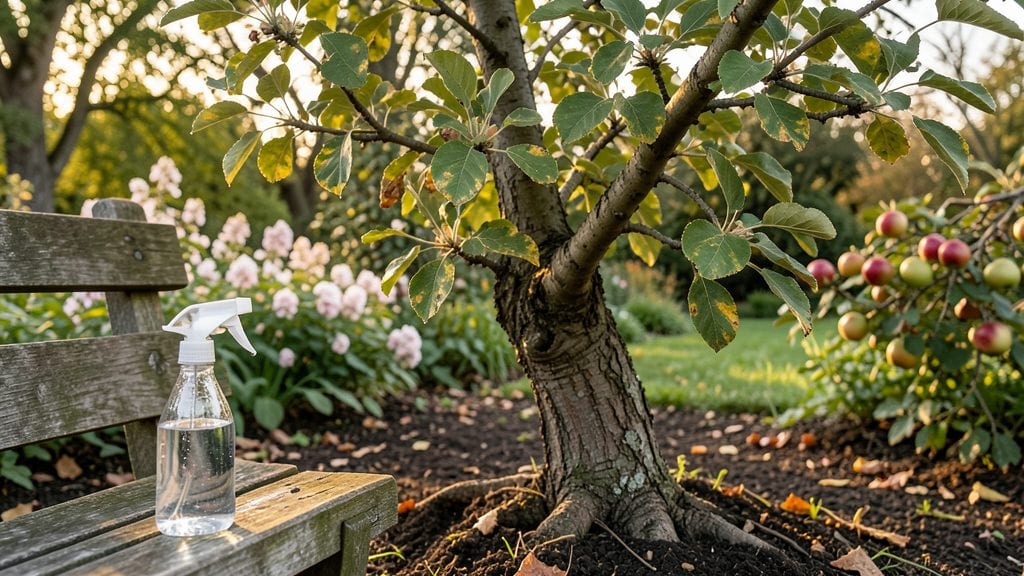
Yellow spots on your apple tree 🍎 leaves are a clear sign your tree is sending you a distress signal—and ignoring it could mean lost fruit this season.
Seeing those splotches appear can feel like a panic, but the good news is most causes are fixable with the right approach. Whether it’s a fungal infection like apple scab, a nutrient imbalance, or even environmental stress, knowing what’s wrong lets you act fast before the problem spreads.
In this guide, I’ll walk you through the top 5 causes of yellow spots, how to tell them apart, and the quick fixes that work for each—so you can get your tree back on track before harvest season rolls around.
No more guessing games: by the end, you’ll know exactly what’s hurting your tree and how to stop it in its tracks.
5 Common causes of yellow spots on apple tree leaves
Yellow spots on your apple tree leaves can feel like a mystery, but they’re usually your tree’s way of waving a red flag about underlying issues. These spots can appear as small dots, larger patches, or even spread across entire leaves, each signaling a different problem.
The good news? Most causes are treatable if caught early. Whether it’s a fungal infection, nutrient deficiency, or environmental stress, understanding the symptoms is the first step to saving your tree—and its fruit.
Don’t panic if you spot these yellow marks. Many gardeners have successfully revived their apple trees by addressing the root cause. The key is to examine the pattern, size, and location of the spots, as well as the overall health of the tree.
For example, spots paired with black or brown edges might indicate a fungal disease, while uniform yellowing could point to a nutrient deficiency. Let’s break down the most common culprits so you can diagnose—and fix—the issue.
-
1. Apple Scab (Fungal Disease)
Symptoms: Olive-green to yellow spots with black, velvety edges; leaves may curl or drop early. Key Tip: Check undersides of leaves for fungal growth.
-
2. Bacterial Spot Disease
Symptoms: Small, water-soaked yellow spots with dark centers; often appear in wet conditions. Key Tip: Look for oily sheen on leaves in humid weather.
-
3. Iron or Magnesium Deficiency
Symptoms: Interveinal yellowing (yellow between leaf veins); iron deficiency shows on younger leaves first. Key Tip: Test soil pH—high alkalinity locks out iron.
-
4. Environmental Stress (Sunburn or Hail Damage)
Symptoms: Irregular yellow/brown patches with crispy edges; often on sun-exposed leaves. Key Tip: Check for physical damage like torn leaf edges.
-
5. Pest Damage (Aphids or Mites)
Symptoms: Small yellow spots with webbing or sticky residue (honeydew); often clustered on new growth. Key Tip: Inspect leaves for tiny moving insects or silk webbing.
If you’re seeing olive-green or yellow spots with black edges, your apple tree might be battling apple scab, one of the most common fungal diseases in apple trees. This disease thrives in wet, cool springs and can spread rapidly if left unchecked.
The spots often start small but grow larger, causing leaves to curl or drop prematurely. To confirm, flip over the leaves—you might spot fuzzy, olive-green fungal growth on the undersides. Early intervention with copper fungicides or baking soda sprays can stop the spread before it affects your fruit.
Bacterial spot disease is another frequent offender, especially in humid climates. Unlike fungal spots, bacterial spots start as tiny, water-soaked yellow marks that quickly turn dark and crusty. These spots often appear in clusters, particularly on younger leaves. The disease spreads through rain splashes and infected pruning tools, so sanitizing tools and removing infected leaves are critical steps. If you notice an oily sheen on the leaves after rain, bacterial spot is likely the culprit.
Yellowing between the leaf veins (interveinal chlorosis) is a classic sign of nutrient deficiencies, particularly iron or magnesium. Iron deficiency shows up first on younger leaves as pale yellow spots, while magnesium deficiency causes older leaves to turn yellow between veins while keeping green along the edges.
Soil tests can reveal if your tree needs chelated iron or Epsom salt (for magnesium). Adjusting soil pH—especially if it’s alkaline—can also help unlock trapped nutrients.
Environmental factors like sunburn or hail damage can create yellow spots that look like disease symptoms but aren’t infectious. Sunburn often affects leaves on the south or west sides of the tree, where harsh afternoon sun causes crispy, brown-edged patches.
Hail damage, on the other hand, leaves irregular holes or torn edges alongside yellowing. If the spots are physical rather than fungal, your tree just needs time to recover—though protecting it with shade cloth or netting can prevent future damage.
Finally, tiny pests like aphids or spider mites can leave behind yellow spots as they feed on leaf sap. Aphids cluster on new growth, excreting sticky honeydew that attracts sooty mold, while mites create fine webbing on leaf undersides. Both pests cause stippled yellowing where they’ve fed.
A strong spray of water or neem oil can dislodge them, but severe infestations may require insecticidal soap or horticultural oil. Regularly inspecting leaves—especially the undersides—can catch these pests before they spread.
Once you’ve identified the cause, you’re already halfway to a solution. The next step is addressing the issue with targeted treatments, from fungicides for diseases to soil amendments for deficiencies. Early action not only saves your tree’s health but also protects your future harvest.
And remember: prevention is key—proper spacing, pruning for airflow, and seasonal maintenance can keep these issues at bay.
Fast fixes for yellow spots: treatment options by cause
Yellow spots on your apple tree leaves often signal a treatable issue, but the right fix depends on the cause. Whether it’s a fungal infection, nutrient deficiency, or environmental stress, acting quickly can prevent further damage.
Below are targeted solutions tailored to each common culprit, including organic remedies and professional interventions when needed.
For apple scab or bacterial spots, organic fungicides and pruning are key. If the issue stems from iron or magnesium deficiencies, soil amendments like chelated iron or Epsom salt can restore health.
Environmental stressors like sunburn or hail damage require protective measures, while pest infestations need targeted control. Let’s break down the best approach for each scenario.
Treatment Options by Cause
🍎 Apple Scab
- Pros: Organic fungicides (e.g., neem oil, copper spray) work well.
- Cons: Requires 3-4 applications per season for full control.
Apply during wet seasons or after rain.
🌿 Bacterial Spots
- Pros: Prune infected leaves immediately to stop spread.
- Cons: No organic cure—may need copper-based bactericide.
Sterilize pruners with rubbing alcohol.
💧 Iron/Magnesium Deficiency
- Pros: Chelated iron or Epsom salt resolves issues in 2-4 weeks.
- Cons: Over-application can burn roots.
Test soil annually to monitor levels.
☀️ Sunburn/Hail Damage
- Pros: Shade cloth or mulch protects young trees.
- Cons: Severe damage may require professional arborist for pruning.
Apply lightweight mulch to retain moisture.
🐜 Pests (Aphids/Mites)
- Pros: Insecticidal soap or horticultural oil kills pests effectively.
- Cons: Repeat treatments may be needed for severe infestations.
Spray early morning or evening for best results.
For fungal diseases like apple scab, start with a copper fungicide (e.g., Copper Soap) applied every 7-10 days during wet seasons. Remove and dispose of infected leaves to prevent spores from spreading.
If bacterial spots are the issue, prune affected branches below the infection and sterilize tools to avoid cross-contamination.
If your apple tree shows signs of nutrient deficiencies, conduct a soil test to confirm whether it’s iron chlorosis or magnesium deficiency. For iron deficiency, apply chelated iron granules to the soil, while Epsom salt (magnesium sulfate) can be dissolved in water and sprayed on leaves.
Always follow package instructions to avoid over-application.
Environmental stressors like sunburn or hail damage often require protective measures. Use shade cloth for young trees in intense sunlight and apply a 2-3 inch layer of mulch to protect roots. If damage is severe, consult a certified arborist to assess structural integrity and prune damaged branches safely.
Pests like aphids or spider mites can cause yellowing by sucking sap. Combat them with insecticidal soap or neem oil, applying in the early morning or late evening to avoid harming beneficial insects. For persistent infestations, repeat treatments every