
Blooming
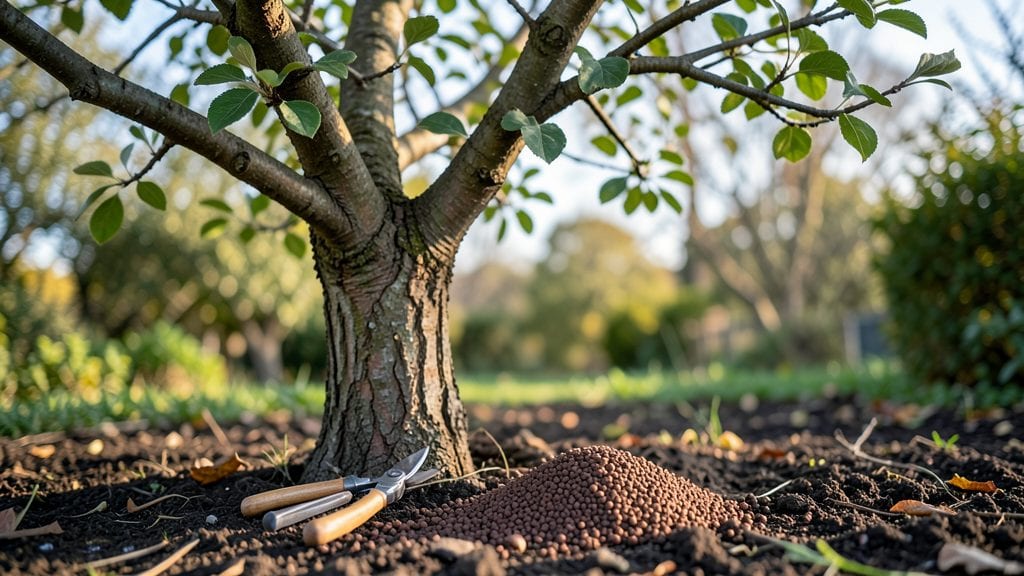
Apple trees not flowering can feel like a gut-punch after years of waiting for that first harvest. 🌸 I’ve watched my own trees stand bare through spring after spring, only to finally crack the code on what they really needed to wake up.
The problem isn’t always what you’d guess—sometimes it’s not enough chill hours, other times it’s hidden stress in the roots.
Most gardeners focus on pruning or fertilizer, but the real game-changer is often dormancy-breaking tricks like strategic watering before buds swell or adjusting winter protection. Young trees under 5 years old need extra patience—they’re still building energy reserves.
And if your tree’s been pruned too aggressively, it might be too stressed to flower at all.
By the end of this, you’ll spot the exact signs your tree’s ready to bloom—like tight clusters of buds or new leaf growth in early spring.
The fixes are simpler than you’d think: a late-winter soil test, a targeted pruning session, or even just giving the roots a drink in late fall. Trust me, your tree’s been waiting for someone to figure this out.
Works for both dwarf and standard varieties, whether you’re in a cold climate or a milder zone. Let’s get those blossoms back—and the apples to follow.
Root Causes Behind Missing Blooms
Understanding why your apple trees aren’t flowering starts with peeling back the layers of their biological needs. Apple trees (Malus domestica) rely on a delicate balance of environmental cues, physiological health, and genetic triggers to produce flowers.
When something disrupts this harmony—whether it’s a hidden stressor or a missed seasonal signal—your tree may skip blooming entirely. Below, we break down the five most common culprits, backed by science and actionable insights to help you troubleshoot.
Apple trees are dormant-dependent perennials, meaning they require a specific number of chill hours (temperatures between 32–45°F or 0–7°C) during winter to "wake up" their dormant flower buds. Without enough cold exposure, the tree stays in a physiological slumber, delaying—or even preventing—flowering.
- Why it happens:
- Modern apple cultivars (especially those bred for warmer climates) often need 500–1,000+ chill hours per year.
- Mild winters (like those in USDA Zones 7–9) may not provide enough cold, tricking the tree into thinking winter hasn’t "ended."
- Urban heat islands (cities with concrete and asphalt) can raise local temperatures, reducing effective chill hours by 10–30%.
- Actionable fix:
- Check your zone’s chill hours (use tools like the USDA Chill Hour Calculator).
- Plant chill-hardy varieties like ‘Gala,’ ‘Fuji,’ or ‘Honeycrisp’ (they adapt better to lower chill zones).
- Use artificial chilling (for potted trees): Store containers in a garage or unheated shed during winter to mimic natural cold exposure.
Flowering is an energy-intensive process, and apple trees need macronutrients (N-P-K) and micronutrients to trigger bud formation. If the tree is malnourished or overfed, it may redirect resources to leaf growth instead of flowers.
- Why it happens: - Too much nitrogen (N): Promotes leafy growth at the expense of flowers. A soil test showing >100 ppm nitrogen can suppress blooming. - Deficiencies in phosphorus (P) or potassium (K): These nutrients are critical for flower initiation.
Low P (<30 ppm) or K (<150 ppm) stunts reproductive development. - Zinc or boron deficiencies: These micronutrients regulate cell division in buds. Symptoms include small, deformed leaves and poor flowering.
- Actionable fix:
- Test your soil (use a home test kit or send a sample to a lab like UMass Soil Test).
- Balance your fertilizer: Use a low-N, high-P/K blend (e.g., 5-10-10) in early spring before buds swell.
- Apply micronutrients:
- Zinc sulfate (1 tbsp per gallon of water, sprayed on leaves).
- Borax (1 tsp per gallon, soil-dripped in spring).
When apple trees are chronically stressed by pests, diseases, or physical damage, they prioritize survival over reproduction. This can lead to no flowers—or even dieback.
- Why it happens:
- **Fire blight (Erwinia amylovora): A bacterial infection that kills blossoms and twigs, weakening the tree’s ability to produce new flowers.
- Apple scab (Venturia inaequalis): Fungal spores clog stomata, reducing photosynthesis and energy for blooms.
- Coding moths or borers: Larvae tunnel into branches, disrupting nutrient flow to flower buds.
- Root rot or compacted soil: Poor drainage or anaerobic roots (from overwatering) starve the tree of oxygen, stunting growth.
- Actionable fix:
- Apply copper fungicide (for fire blight) or neem oil (for scab) before bud break.
- Inspect for pests: Look for frass (sawdust-like droppings) or exit holes in bark.
- Improve drainage: Amend soil with compost or perlite and avoid overwatering.
Not all apple trees bloom at the same time—or at all. Young trees, dwarf varieties, and some rootstocks may take years to flower, while others are biologically sterile.
- Why it happens: - Young trees (<3–5 years): Focus energy on root and trunk growth before flowering.
Dwarf varieties (e.g., ‘Columnar’ or ‘Semi-Dwarf’) may take longer to mature. - Pollination group mismatches: Some apple trees (like ‘Granny Smith’) are self-unfruitful and need a compatible pollinator (e.g., ‘Honeycrisp’) within 50–100 feet. - Rootstock influence: Trees grafted onto semi-dwarf or dwarfing rootstocks (e.g., M.9 or B.9) may flower later or less vigorously than standard rootstocks.
- Actionable fix:
- Plant a pollinator pair: Check the National Apple Pollination Guide for compatible varieties.
- Upgrade rootstock: If using a weak rootstock, consider re-grafting onto a more vigorous type (e.g., MM.106).
Sometimes, external factors throw off the tree’s internal clock, delaying or preventing flowering. Think of it like a biological "reset button."
- Why it happens:
- Drought stress: Even mild water deficits can shut down flower production by triggering abscission (bud drop).
- Excessive pruning: Removing too many branches reduces the tree’s photosynthetic capacity, leaving no energy for blooms.
- Shade competition: Trees in deep shade (from buildings or dense foliage) don’t get enough sunlight for flower initiation.
Pro Tip** 💡: Keep a growth journal! Track chill hours, soil tests, and pruning dates to spot patterns in your tree’s flowering behavior.
Revive Your Apple Tree’s Blooms
If your apple tree is sitting pretty but refusing to flower, don’t panic—there’s almost always a fix! The key is identifying the root cause and taking targeted action. Below, we’ve broken down practical solutions for each common issue, along with preventative tips to keep your tree thriving for years to come. 🌸🍏
Apple trees need a winter "rest" to trigger flowering. If your tree didn’t get enough cold exposure (300–1,000 hours below 45°F, depending on the variety), it may stay dormant.
🔥 How to Break Dormancy
- 📅 Time it right: Apply dormancy-breaking treatments in late winter (just before buds swell).
- 💦 Use hydrogen peroxide spray: Mix 1 tablespoon of 3% hydrogen peroxide per quart of water and spray the tree thoroughly.
This mimics natural cold stress. - 🌊 Try a cold water shock: On a warm winter day, hose down the tree with cold water (50°F or lower) for 10–15 minutes.
Repeat weekly for 3–4 weeks. - 🌡️ DIY cold chamber: If winters are too mild, place a large fan near the tree for 1–2 hours daily in late winter to simulate wind chill.
💡 Prevention Tips
- Plant cold-hardy varieties (e.g., ‘Honeycrisp,’ ‘Granny Smith’) if you live in a warm climate.
- Use black plastic mulch in winter to absorb heat and encourage chill accumulation.
- Avoid winter pruning—it can disrupt dormancy.
Some apple trees are self-unfruitful and need a pollinator nearby. Others may simply lack the right conditions to set flowers.
🍳 How to Boost Pollination
- 🌿 Plant a pollinator partner: Choose a compatible variety (e.g., ‘Fuji’ pairs well with ‘Gala’).
Check your tree’s label or consult a local nursery. - 🐝 Attract bees: Plant bee-friendly flowers (lavender, sunflowers, clover) near your tree. - 🎯 Hand-pollinate: If bees are scarce, use a soft paintbrush to transfer pollen from one flower to another on a warm, dry day.
🌱 Prevention Tips
- Buy two trees if starting fresh—one won’t produce without a partner!
- Avoid over-fertilizing with nitrogen—it promotes leafy growth over flowers.
- Prune for sunlight: Thin out dense branches to ensure 6+ hours of direct sun daily.
Lack of key nutrients (like boron, zinc, or phosphorus) can stunt flower production. Yellowing leaves or stunted growth? Your tree might be hungry.
👨🍳 How to Fertilize for Blooms
- 📊 Soil test first: Use a home test kit or send a sample to a lab to check pH and nutrient levels.
- 💪 Apply bloom-boosting fertilizer:
- Phosphorus-rich fertilizer (e.g., 5-10-10) in early spring to encourage flowering.
- Micronutrient spray: Mix 1 tablespoon of Epsom salt (magnesium) + 1 tablespoon of borax per gallon of water and spray foliage.
- 🍎 Organic options: Work compost, bone meal, or fish emulsion into the soil in early spring.
🌡️ Prevention Tips
- Mulch properly: Use 2–4 inches of organic mulch (wood chips, straw) to retain moisture and nutrients.
- Avoid overwatering: Soggy roots can leach nutrients—water deeply 1–2 times per week in dry spells.
- Feed lightly in fall: A low-nitrogen fertilizer (like 0-10-10) in late summer can prep the tree for dormancy.
Aggressive pruning removes flower buds (which form on spurs and scaffold branches). If your tree looks "haircut" every year, it may struggle to bloom.
🔪 How to Prune for Flowers
- 📅 Prune at the right time: Do light pruning in late winter (before buds swell) and summer thinning (after harvest).
- 🌿 Keep the structure: Remove dead, crossing, or inward-growing branches—never cut more than 25% of the canopy in one season.
- 🎯 Focus on spurs: Preserve small, knobby branches (spurs)—these hold most flower buds.
- 🌳 Avoid topping: Never cut the central leader (main trunk) to stunt growth—this reduces flowering.
💡 Prevention Tips
- Use sharp, clean tools: Disinfect pruners with rubbing alcohol to prevent disease.
- Map the tree: Sketch branch placement before pruning to avoid over-thinning.
- Train young trees: Guide branches outward to maximize sun exposure.
Pests like aphids, codling moths, or fungal diseases (e.g., apple scab) can weaken a tree, reducing its energy for flowering.
🛡️ How to Protect Your Tree
- 🐜 Inspect regularly: Check for holes in leaves, sticky residue (aphids), or black spots (fungus).
- 💦 Spray preventatively:
- Neem oil (for pests) or copper fungicide (for diseases) in early spring and fall.
- Horticultural oil in dormant season to smother overwintering pests.
- 🌿 Encourage beneficial insects: Plant dill, fennel, or yarrow to attract ladybugs and lacewings.
🌡️ Prevention Tips
- Clean up debris: Remove fallen leaves and fruit to reduce disease spores.
- Space trees properly: Allow 15–20 feet between trees for airflow.
- Water at the base: Avoid wetting foliage to prevent fungal spread.
With these targeted fixes, your apple tree should be bursting with blossoms come spring! 🌷🍎 Start with the most likely cause, and don’t forget—patience is key. Some trees take 1–2 seasons to rebound fully. Happy growing!
Frequently asked questions about apple trees not producing flowers
Why does my mature apple tree have leaves but no flowers?
Mature trees often skip flowering due to nutrient imbalances or stress. Too much nitrogen promotes leafy growth while starving flower buds. Test your soil—if phosphorus (<30 ppm) or potassium (<150 ppm) is low, switch to a 5-10-10 fertilizer in early spring. Also check for pests like codling moths that disrupt energy flow to reproductive buds.
Can I force my apple tree to bloom if it's young?
Young trees (<5 years) focus energy on root/trunk growth first. Be patient—dwarf varieties may take 3-5 years to flower. For faster results, use a low-nitrogen fertilizer (like 0-10-10) in late summer to encourage dormancy prep. If the tree is healthy but still not blooming, it might need a pollination partner—check your variety's compatibility.
What should I do if my apple tree had flowers but no fruit?
This usually means poor pollination or late frosts damaged blossoms. Plant a compatible pollinator nearby (e.g., 'Gala' pairs with 'Honeycrisp') and protect flowers with frost cloth in spring. Also verify your tree isn't self-unfruitful—some varieties like 'Granny Smith' require cross-pollination.
How do I know if my tree got enough winter chill hours?
Most apple trees need 500-1,000 chill hours (temps 32-45°F). If winters are mild (like in Zone 7-9), use the USDA Chill Hour Calculator to check your local accumulation. For potted trees, store them in an unheated garage during winter to boost cold exposure.
Will pruning too hard prevent next year's flowers?
Yes! Flower buds form on spurs (small knobby branches) in late summer. Never remove more than 25% of the canopy in one season, and avoid cutting back the central leader. Prune only dead/diseased wood in late winter (before buds swell) to preserve next year's blooms.