
Diseases
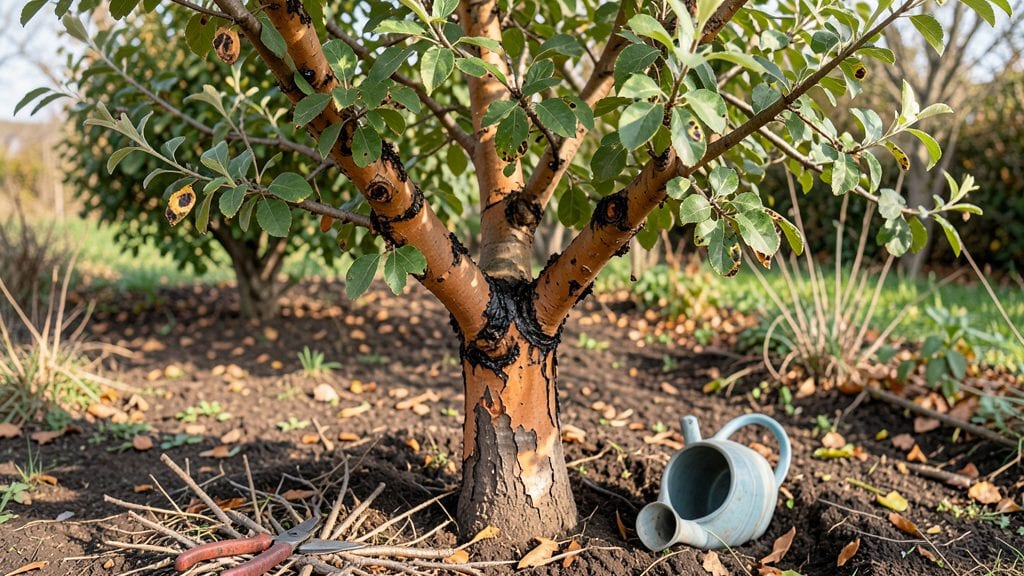
Spotting apricot tree diseases early saves your harvest—and I’ve learned the hard way that waiting too long means lost fruit and weakened wood. 🌱 The most common culprits are bacterial spot, fungal infections like brown rot, and stubborn canker diseases that girdle branches, but catching them before they spread keeps your tree productive for years.
My first apricot tree nearly died from unnoticed cankers, so I now check for dark lesions, oozing sap, or sudden leaf drop every spring.
The key to prevention is simple but often overlooked: prune in dry weather to avoid spreading spores, sterilize tools between cuts, and mulch to keep soil healthy.
I’ve seen trees go from struggling to thriving in just one season after switching to a 3-inch layer of wood chips and watering at the base—not the leaves. Even organic sprays like copper fungicide (applied when buds swell) can stop bacterial spot before it starts.
You’ll know you’re on the right track when your tree puts out fresh green leaves by early summer and fruit sets without blackened spots.
The first sign of trouble is usually small—maybe a few brown speckles on leaves or a single canker—but acting fast means the difference between a healthy harvest and a tree that needs drastic measures. Trust me, your future self will thank you for those 10 minutes of inspection now.
This works for backyard trees in zones 5-9, though fungal diseases are worse in humid climates. If you’re in a rainy area, focus on air circulation (prune to open the canopy) and avoid overhead watering.
The same principles apply whether you’re dealing with a young sapling or a mature tree—early action is always the best defense.
Root Causes of Apricot Tree Ailments
Apricot trees, like all fruit-bearing plants, are vulnerable to a mix of biological, environmental, and cultural stressors that trigger diseases. Understanding why these issues arise is the first step to prevention. Below, we break down the key factors that weaken apricot trees and invite pathogens to take hold.
Apricot trees thrive in specific conditions, and when those conditions shift—whether due to weather, soil, or seasonal changes—their defenses drop. Here’s how environmental factors create openings for diseases:
- Extreme Temperatures & Moisture Fluctuations
- Heat Stress: Prolonged drought or scorching summer heat causes osmotic stress, where the tree’s cells lose water and struggle to transport nutrients. This weakens the bark and leaves, making them prime targets for fungal infections like Monilinia laxa (brown rot).
- Cold Damage: Late spring frosts or winter freezes can rupture cell walls, creating entry points for bacteria (e.g., Pseudomonas syringae) or secondary fungal invaders.
- Excess Moisture: Overly wet soil or prolonged leaf wetness (from rain or overhead irrigation) creates the perfect breeding ground for Botryosphaeria (dieback disease) and Cladosporium (leaf spot).
- Poor Air Circulation
- Dense foliage or tightly packed orchards trap humidity, slowing evaporation and prolonging moisture on leaves. This stagnant air fosters powdery mildew (Podosphaera pannosa) and rust diseases (Tranzschelia discolor), which thrive in shaded, damp conditions.
- Soil Imbalances
- Compacted or Waterlogged Soil: Poor drainage restricts root oxygen uptake, leading to root rot (e.g., Phytophthora) and nutrient deficiencies that suppress immunity.
- Nutrient Deficiencies: Low levels of boron, zinc, or potassium weaken cell walls, making trees more susceptible to canker diseases and bacterial blight.
Pathogens don’t just appear—they exploit weaknesses. Apricot trees face three main types of biological attackers, each with distinct entry points and triggers:
| Pathogen Type | How It Exploits Trees | Key Triggers |
|---|---|---|
| Fungi (e.g., Monilinia, Cladosporium) | Spores land on wounds, flowers, or leaves, germinating when conditions are moist and warm. They secrete enzymes to break down plant tissue. | • Pruning wounds • Blooming season (high sugar content in flowers attracts spores) • Rainy springs |
| Bacteria (e.g., Xanthomonas, Pseudomonas) | Enter through natural openings (stomata, lenticels) or injuries. They multiply rapidly in watery environments, clogging vascular tissues. | • Overhead irrigation • Hail or insect damage • High humidity (>75%) |
| Viruses (e.g., Apricot Chlorotic Leaf Spot Virus) | Spread by sap-sucking insects (aphids, leafhoppers) or contaminated tools. They hijack the tree’s genetic machinery, disrupting growth. | • Weakened trees (stress = easier transmission) • Poor sanitation (reusing tools) • Nearby infected hosts |
Even the hardiest apricot trees suffer when growers overlook basic care. These common practices inadvertently invite diseases:
- Improper Pruning
- Cutting Too Late: Pruning in wet or warm conditions (spring/early summer) delays wound healing, leaving trees vulnerable to bacterial canker (Pseudomonas morsprunorum).
- Using Dirty Tools: Contaminated pruners spread Agrobacterium (crown gall) or Xanthomonas between trees.
- Overhead Irrigation
- Water droplets splash spores onto leaves and fruit, accelerating leaf spot and fruit rot. Drip irrigation reduces this risk by 80%.
- Ignoring Sanitation
- Leaving mummified fruit (from last year’s harvest) or infected leaves on the ground creates a reservoir for Monilinia spores, which can survive for years in organic debris.
- Over-Fertilizing with Nitrogen
- Excess nitrogen promotes lush, tender growth that’s highly susceptible to fungal infections. A balanced NPK ratio (e.g., 10-10-10) supports resilience.
💡 Pro Tip: Most apricot diseases start with a single stressor. For example, a tree weakened by drought (abiotic stress) is 3x more likely to succumb to bacterial blight (biotic stress). Addressing one factor (e.g., improving drainage) can prevent a cascade of problems.
How to Treat and Prevent Apricot Tree Ailments
When your apricot tree shows signs of distress, quick action can save its health—and your harvest. Below are practical, step-by-step solutions tailored to the most common diseases, along with prevention tips to keep your tree thriving.
🔥 Cause: Xanthomonas or Pseudomonas bacteria thriving in wet conditions. 🍳 Solution:
- Prune infected leaves 🔪—Remove and destroy (don’t compost) all yellowed or spotted foliage immediately to halt bacterial spread.
- Apply copper fungicide 🛡️—Spray a copper-based solution (like Bordeaux mixture) every 10–14 days during wet seasons. Follow label instructions for concentration.
- Improve airflow 🌬️—Thin out dense branches to reduce humidity around leaves.
💡 Prevention Tip:
- Water at the base 💧—Avoid overhead sprinkling, especially in the evening, to keep leaves dry.
- Sanitize pruning tools 🧼—Use rubbing alcohol between cuts to prevent cross-contamination.
🔥 Cause: Monilinia fungus, which attacks blossoms and fruit, causing mummified fruit. 🍳 Solution:
- Remove infected fruit & mummies 🧹—Pick up and burn or trash (don’t compost) all rotting fruit and twig cankers to eliminate spores.
- Spray fungicide early 🍄—Use a fixed copper fungicide or myclobutanil (like Immunox) before blooming and repeat every 7–10 days during wet weather.
- Prune for sunlight ☀️—Open the canopy to reduce humidity and speed up drying.
💡 Prevention Tip:
- Thin fruit clusters 🍒—Overcrowded fruit traps moisture; space them out for better airflow.
- Apply dormant oil spray ❄️—In late winter, spray dormant oil to smother overwintering fungus.
🔥 Cause: Podosphaera fungus, creating white, powdery patches. 🍳 Solution:
- Hose off mildew 💦—Spray leaves early in the morning with water to wash away spores (repeat 2–3 times/week if needed).
- Use sulfur or neem oil 🌿—Apply a sulfur spray (90% wettable sulfur) or neem oil solution (1 tsp/quart of water) every 7–10 days until symptoms fade.
- Avoid overhead watering 🚫💦—Water at the base to keep foliage dry.
💡 Prevention Tip:
- Plant resistant varieties 🌱—Choose apricot cultivars like ‘Blush’ or ‘Royal’ that tolerate mildew better.
- Mulch with straw 🌾—Keep soil moist but not soggy to reduce fungal pressure.
🔥 Cause: Verticillium fungus in the soil, clogging water vessels. 🍳 Solution:
- Remove infected trees 🌳—If wilt is severe, dig up and destroy the tree to prevent soil contamination.
- Solarize the soil ☀️—Cover the area with clear plastic for 4–6 weeks in summer to kill fungus.
- Plant resistant varieties 🛡️—If replanting, choose disease-resistant apricot rootstocks like ‘Marianna 2624’.
💡 Prevention Tip:
- Rotate crops 🌿—Avoid planting stone fruits in the same spot for 3–5 years.
- Improve drainage 💧—Raise beds or amend soil with compost to reduce fungal buildup.
- Fertilize wisely 📊—Use a balanced 10-10-10 fertilizer in early spring to strengthen growth.
- Monitor pests 🐜—Aphids and mites weaken trees; treat with insecticidal soap if needed.
- Test soil pH 🧪—Keep it slightly acidic (6.0–6.5) for optimal health.
By acting fast and staying proactive, you can restore your apricot tree’s vitality and enjoy bountiful harvests for years. 🍑✨
Frequently asked questions about apricot tree health
What are the first signs my apricot tree might be sick?
Watch for dark spots on leaves (bacterial spot), powdery white patches (mildew), or oozing cankers on branches. Early symptoms also include sudden leaf drop, stunted growth, or fruit with brown rot. Check the undersides of leaves and branch junctions—these are common infection hotspots.
Can I save my apricot tree if it already has canker disease?
Yes, but act fast! Prune out infected branches at least 6 inches below the canker, then sterilize tools with rubbing alcohol. Apply a copper fungicide to prevent spread. For severe cases, consult a local arborist—some cankers require professional treatment to avoid tree death.
How often should I spray fungicides to prevent diseases?
Start with dormant oil spray in late winter, then apply copper-based fungicide every 10-14 days during wet seasons. For mildew-prone areas, add neem oil sprays every 7-10 days when leaves are wet. Always spray early morning to let foliage dry quickly.
Why does my apricot tree get diseases every year, even with treatments?
Persistent issues often stem from overhead watering, poor airflow, or contaminated tools. Check your irrigation method—switch to drip systems at the base. Thin dense branches to improve airflow, and sterilize pruners between cuts. Also test soil pH (ideal: 6.0-6.5)—imbalanced soil weakens defenses.
Are there disease-resistant apricot varieties I should consider?
Yes! Cultivars like 'Blush' and 'Royal' show better mildew resistance, while 'Marianna 2624' rootstock helps combat soil-borne diseases. For bacterial spot, choose 'Tilton'—it handles humidity better. Always buy from reputable nurseries to avoid introducing pathogens.