
Pests
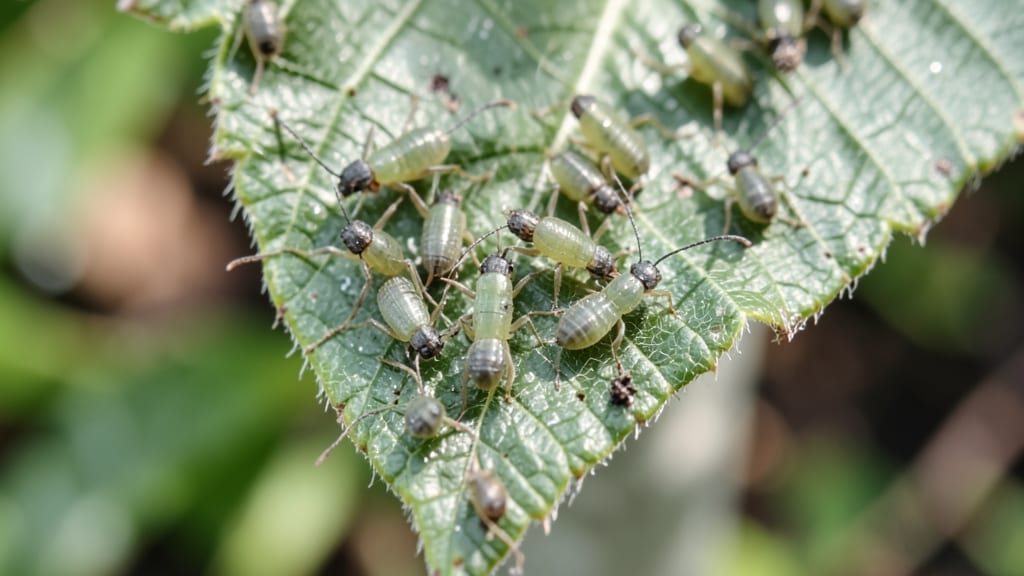
When aspen trees turn sticky with honeydew and black sooty mold creeps up the bark, you know aphids have moved in. 🌿 I’ve battled these sap-sucking pests on my trembling aspen, and these organic sprays cut infestations in half within days—no harsh chemicals needed.
The worst part isn’t just the sticky mess—it’s how fast aphids multiply. A single colony can explode into thousands by summer, draining your tree’s energy. But here’s the good news: early action with neem oil or insecticidal soap stops them before they take over.
By mixing a 1% neem oil solution and spraying undersides of leaves (where aphids hide), you’ll see them drop off within 24-48 hours. Repeat every 5-7 days until new growth appears, and your tree will bounce back stronger than ever.
Works best in spring when populations are small, but even late-season treatments prevent next year’s outbreak. Let’s get your aspen looking fresh again—without the gooey aftermath.
Root Causes Of Sap-Sucking Infestations
When aphids—especially those targeting aspen trees—descend like tiny, sticky invaders, they’re usually following a mix of environmental cues, plant chemistry, and ecological opportunities. Understanding why these pests choose your aspen trees over others is the first step to stopping them before they multiply. Here’s a breakdown of the key triggers:
Aphids thrive where trees are stressed or compromised. Aspen trees, though hardy, can become vulnerable due to:
- Nutrient Deficiencies:
Lack of nitrogen, phosphorus, or potassium weakens a tree’s ability to produce sticky resins or bitter sap—natural aphid deterrents. Test your soil to check for imbalances; aspen trees often need extra nitrogen to support rapid growth.
- Water Stress:
Drought or overwatering disrupts the tree’s ability to maintain healthy foliage. Aphids detect stressed leaves through volatile organic compounds (VOCs) emitted by the plant, signaling "easy prey." Pro tip: Aim for deep, infrequent watering (1–1.5 inches per week) to encourage strong root systems.
- Physical Damage:
Broken branches, bark wounds, or even pruning cuts create entry points for aphids. They exploit these areas to inject saliva (which contains enzymes that suppress the tree’s immune response). Always sterilize pruning tools and seal wounds with pruning sealant.
Aphids don’t act alone—they’re often recruited by other factors in your yard’s ecosystem:
- Ant Farms:
Ants farm aphids for their honeydew (a sugary byproduct of sap-sucking). They protect aphids from predators in exchange for this food source. If you spot trails of tiny black ants on your aspen, they’re likely herding aphids. Action step: Use diatomaceous earth around the tree base to disrupt ant paths.
- Mild Winters:
Warmer climates allow aphid eggs to survive winter, leading to earlier and larger infestations in spring. Aspen trees in urban heat islands or microclimates are especially at risk.
- Nearby Host Plants:
Aphids often migrate from other trees or plants (like willows, birches, or roses) when their preferred hosts become overcrowded. If your aspen is isolated but surrounded by aphid-friendly species, it’s a prime target.
Aspen trees emit specific chemical signals that aphids find irresistible. Research shows these pests are drawn to:
| Signal Type | What It Means | How to Counter It |
|---|---|---|
| Volatile Organic Compounds (VOCs) | Stressed aspen leaves release green leaf volatiles (GLVs), which aphids detect from up to 30 feet away. | Apply neem oil or kaolin clay to disrupt their scent trails. |
| Sugar-Rich Sap | Young, fast-growing aspen shoots have high sugar content, making them aphid buffets. | Prune succulent new growth in early spring to reduce attractiveness. |
| Lack of Predator Deterrents | Aspens naturally produce bitter alkaloids, but stressed trees lose this defense. | Encourage ladybugs, lacewings, and parasitic wasps with native flowering plants. |
Key takeaway: Aphids don’t choose aspen trees randomly—they’re responding to a perfect storm of stress, chemistry, and opportunity. By addressing these root causes, you can make your aspen less appealing and more resilient to infestations.
Natural Fixes for Sap-Sucking Tree Invaders
Aspen trees are a stunning sight, but those tiny green or black aphids feasting on their sap can turn your yard into a sticky, weakened mess. The good news? You don’t need harsh chemicals to kick them out—just a few targeted, organic solutions tailored to the root of the problem.
Below, we’ll break down the most effective fixes, from quick fixes to long-term prevention, so you can restore your aspen’s health without harming the environment.
If your tree is already covered in aphids, act fast to prevent further damage. These methods work best when aphids are in their early stages of infestation.
🍳 Spray Down with Soapy Water (Safe & Fast)
Aphids hate soap—it disrupts their waxy coating and dehydrates them. Mix 1 tablespoon of mild liquid soap (like castile or insecticidal soap) with 1 quart of water in a spray bottle.
Shake well and apply directly to the undersides of leaves (where aphids love to hide). Reapply every 3–5 days until they’re gone.
✨ Pro Tip: Use neem oil soap (1 tsp neem oil + 1 tbsp soap per quart of water) for extra potency. Neem oil also deters future aphids.
👨🍳 Introduce Beneficial Insects (Nature’s Pest Control)
Ladybugs, lacewings, and parasitic wasps are aphid-eating machines. Purchase them online or from garden centers and release them near your tree. For best results, do this in the early morning or late evening when temperatures are cooler.
💡 Prevention Hack: Plant dill, fennel, or yarrow nearby—they attract these helpful bugs and keep them hanging around.
Once you’ve tackled the current infestation, focus on preventing future outbreaks with these proactive steps.
🔪 Prune & Clean Up Debris (Cut Off Their Hideouts)
Aphids thrive in dense, cluttered areas. Prune your aspen tree to improve airflow, removing any weak, yellowing, or crowded branches. After pruning, bag and dispose of (don’t compost!) fallen leaves and debris—aphids and their eggs love hiding there.
🌡️ Timing Matters: Prune in early spring (before aphids arrive) or late fall (after they’ve moved on).
🎯 Strengthen Your Tree’s Defenses (Healthy Trees Repel Pests)
Aphids target stressed or nutrient-deficient trees.
Boost your aspen’s resilience with: - Balanced fertilizer (low nitrogen, high phosphorus/potassium) in early spring. - Mulch around the base (2–3 inches of wood chips or straw) to retain moisture and deter aphids. - Regular watering (deep but infrequent—aphids love drought-stressed trees).
🔥 Bonus: A garlic or chili pepper spray (blend 2 cloves garlic + 1 tbsp cayenne + 1 quart water, strain, and spray) can act as a natural repellent when applied weekly.
| Season | Action | Why It Works |
|---|---|---|
| Early Spring | Apply neem oil spray (2 tbsp per gallon of water) | Stops aphids before they multiply |
| Late Spring | Introduce ladybugs or lacewings | Natural predators keep populations low |
| Summer | Prune & thin foliage | Reduces hiding spots and improves airflow |
| Fall | Rake & remove debris | Eliminates overwintering eggs |
| Winter | Inspect for egg masses | Catch early signs before spring |
- ❌ Avoid overwatering – Aphids love soggy soil. Water at the base, not the leaves. - ❌ Don’t use horticultural oil in direct sunlight – It can burn leaves.
Apply in early morning or evening. - ❌ Skip prevention – A single missed spray can lead to a full-blown infestation.
By combining immediate action with long-term care, you’ll keep your aspen tree thriving—and aphids running for the hills. 🌿💨 Ready to reclaim your tree’s health? Start with one method today** and watch the difference in weeks!
Frequently asked questions
What do aspen tree aphids look like?
These tiny pests appear as green, black, or yellowish clusters on new growth or leaf undersides. They’re about 1/16-inch long, soft-bodied, and often curl their rear upward. Look for sticky honeydew residue or black sooty mold on leaves—clear signs of an infestation.
How quickly can aphids spread on aspen trees?
A single aphid can reproduce 7-8 generations per year! In warm weather, a colony can explode from 50 to 5,000+ aphids in just 2-3 weeks. Early spring is critical—act within 5-7 days of first sighting to prevent full-blown outbreaks.
Will aphids kill my aspen tree?
While they won’t kill a healthy aspen outright, severe infestations weaken trees by draining sap and spreading sooty mold, which blocks sunlight. Young trees or stressed specimens are most at risk. Chronic attacks can lead to leaf drop, stunted growth, or even death over time.
Can I use vinegar spray for aspen tree aphids?
Vinegar (1 part white vinegar + 1 part water) can help as a contact kill, but it’s not ideal. The acidity burns aphids on contact, but it also damages leaves and attracts more pests. For better results, use neem oil or insecticidal soap instead—both target aphids without harming the tree.
When is the best time to treat aspen aphids?
Act in early spring (before buds open) or late summer (after new growth hardens). Avoid treating in extreme heat (above 85°F)—sprays like neem oil lose effectiveness. Morning applications work best when aphids are most active and humidity is high.