
Trees
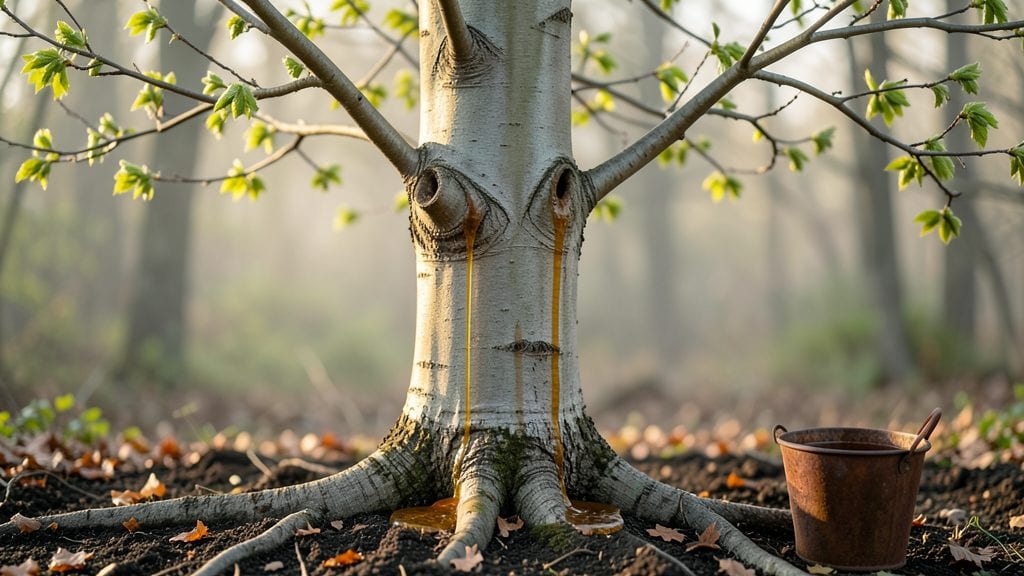
When sap on trees starts dripping like syrup from a maple in early spring, it’s not just a sticky mess—it’s your tree’s way of signaling something important. 🌳 I’ve watched maples, birches, and even fruit trees ooze sap for weeks, and I’ve learned the difference between normal resin flow and a cry for help.
Some of it is natural, but other times, it’s a sign of stress, pests, or disease.
The good news? Most sap issues are fixable with the right approach. If the sap is clear and comes in small amounts during warm days, your tree is likely just doing its thing—maples, for example, produce sap naturally when temperatures fluctuate.
But if you see dark, gooey sap with holes, insects, or fungal growth, that’s a red flag. Aphids, borers, or even weather damage can trigger excessive sap flow, and ignoring it can weaken the tree over time.
Here’s the game-changer: addressing the root cause—literally. Prune damaged branches, treat pests with organic sprays, and keep the tree’s bark healthy to prevent sap from becoming a long-term problem.
A well-maintained tree not only looks better but also produces more of the good stuff—whether that’s sweet maple syrup or strong, disease-resistant growth.
This works for both backyard trees and larger landscapes, and the fixes scale from simple to strategic. Let’s get your trees back to their best—and keep that sap where you want it.
Natural Tree Stress Triggers Sap Flow
Sap rising in trees isn’t always a bad thing—it’s often a sign of nature doing its job. But when it becomes excessive or occurs at the wrong time, it can signal stress or damage.
Understanding the root causes helps you manage it effectively while keeping your trees healthy. Here’s why sap starts flowing when it shouldn’t:
Trees produce sap as part of their natural growth cycle, especially during spring and early summer when they’re gearing up for new leaves and branches. This is driven by auxin, a plant hormone that regulates cell division and fluid transport.
However, if a tree is prematurely stressed—like in late winter or early fall—its hormonal balance can get disrupted, leading to unexpected sap leaks.
💡 Pro Tip: If you notice sap in unusual seasons, check for early budding (a sign of warm spells) or late dormancy (cold snaps). Adjust watering or mulching to stabilize the tree’s internal rhythms.
When a tree’s bark, branches, or roots are injured—whether by wind, animals, tools, or disease—it triggers a defensive reaction. The tree seals off damaged areas by producing callus tissue and pumping out sticky sap to:
- Prevent pathogens (fungi, bacteria) from entering.
- Slow down pests (like beetles or borers) from tunneling deeper.
- Repair vascular damage by clogging wounds temporarily.
🔥 Watch For: Sap often appears dripping or oozy near:
- Fresh cuts from pruning.
- Animal gnaw marks (e.g., deer, rabbits, squirrels).
- Cracks from frost or heavy fruit loads.
Certain insects and microbes deliberately provoke sap flow as part of their life cycle. For example:
| Pest/Disease | How It Triggers Sap | Signs to Spot |
|---|---|---|
| Sap-sucking insects (aphids, scale, mealybugs) | Pierce bark/leaves to feed, causing honeydew (sticky residue) and sap leaks. | White cottony masses, black sooty mold, curled leaves. |
| Bark beetles | Bore into phloem (sap-conducting tissue), disrupting flow and oozing resin. | Sawdust-like frass near holes, wilting branches. |
| Fungal infections (e.g., canker diseases) | Weaken bark, causing resin pockets or bleeding sap as the tree fights infection. | Sunken, cracked bark; orange-brown ooze. |
🎯 Action Step: If sap is paired with unusual spots, holes, or wilting, inspect for pests with a magnifying glass or consult a local arborist. Prune infected branches 6 inches below the damage to prevent spread.
Trees need a balanced moisture level—too much or too little water throws off their sap dynamics. Here’s how imbalances cause leaks:
- Drought Stress: Roots can’t supply enough water, forcing the tree to overproduce sap in an attempt to "flush out" toxins or repair cells.
- Overwatering: Soggy soil suffocates roots, leading to anaerobic conditions that trigger sap as a stress signal.
- Root Damage: Compacted soil, construction, or girdling roots (where roots circle the trunk) restrict water flow, causing bleeding sap at the base.
🌡️ Quick Fix: Test soil moisture 3 inches deep—if dry, water deeply; if soggy, improve drainage with organic mulch or aeration. For root damage, avoid heavy foot traffic near the trunk.
By pinpointing the cause, you can address sap issues before they harm your tree’s health—or even turn them into opportunities (like tapping maple trees for syrup!).
Fixing Sap Flow Issues Naturally
When sticky sap becomes a problem—whether it’s clogging equipment, attracting pests, or signaling stress—these practical, tree-friendly solutions will help restore balance. Below, we’ve mapped common causes to easy fixes, plus prevention tips to keep your trees thriving.
Cause: Excessive sap collection, drought, or poor health drains a tree’s energy, leading to slow recovery or sap leaks.
How to Fix It:
- 🔥 Reduce Harvest Frequency – Space out collections to avoid overstressing the tree. For maple trees, limit tapping to 10% of the trunk diameter and no more than 2 weeks per season.
- 💧 Hydrate & Mulch – Water deeply during dry spells and apply 2–4 inches of organic mulch (wood chips, bark) to retain moisture and protect roots.
- 🌱 Boost Tree Health – Fertilize with balanced, slow-release fertilizer (like 10-10-10) in early spring. Avoid high-nitrogen blends, which can overstimulate sap flow.
Prevention Tip: 💡 Monitor sap color—dark or foul-smelling sap may signal disease (like Verticillium wilt). Prune dead branches immediately to redirect energy.
Cause: Sap-sucking insects (aphids, scale) or fungal infections (like Phytophthora) create wounds that trigger excessive sap flow.
How to Fix It:
- 🔪 Prune Infested Areas – Use sterilized shears to remove infected branches 6 inches below the damage. Burn or dispose of debris off-site to prevent spread.
- 🍳 Apply Organic Sprays – Mix 1 tbsp neem oil + 1 tsp dish soap per gallon of water and spray affected areas. Repeat weekly until pests vanish.
- 🌡️ Fungal Treatment – For root rot, apply copper fungicide (follow label rates) or plant resistant species (e.g., sycamore or oak).
Prevention Tip: ✨ Inspect trees annually in early spring. Early action stops pests from establishing colonies.
Cause: Frost cracks, wind tears, or hail create open wounds that ooze sap for weeks.
How to Fix It:
- 👨🍳 Seal Wounds Properly – Clean the wound with a bleach solution (1:10 ratio) and apply tree wound sealant (or pruning paint for small cuts). Note: Only seal wounds larger than 4 inches in diameter—smaller ones heal faster without treatment.
- 🌿 Support Weak Branches – Use tree straps or cables to stabilize broken limbs until new growth forms.
- 🌧️ Protect Young Trees – Wrap trunks in tree guards during winter to prevent sunscald (a common cause of sap leaks).
Prevention Tip: 🎯 Plant wind-resistant species (like red maple or hickory) in exposed areas.
Cause: Drilling too deep, using dull bits, or tapping at the wrong time (late winter/early spring) stresses the tree.
How to Fix It:
- ⏰ Time It Right – Tap only when sap is flowing naturally (temp >40°F at night). Avoid tapping newly planted or stressed trees.
- 🔪 Use the Right Tools –
- Bit size: ⅜–½ inch diameter (no larger).
- Angle: Drill slightly downward (30° angle) to prevent water pooling.
- Depth: 1–2 inches max—deeper taps damage cambium.
- 🧼 Sanitize Equipment – Clean spiles and buckets with rubbing alcohol between trees to avoid cross-contamination.
Prevention Tip: 💡 Mark tapping spots with flags to avoid re-tapping the same hole.
If a tree suddenly gushes sap (e.g., from a storm), act fast:
- 🛡️ Contain the Flow – Place a bucket or tarp beneath the wound to catch drips.
- 🧹 Clean the Area – Remove debris and disinfect with hydrogen peroxide (3%).
- 🌿 Call an Arborist – For wounds >6 inches wide, professional help ensures proper healing.
Final Pro Tip: 🌱 Healthy trees resist sap issues better! Regular soil testing (check pH and nutrients) and proper spacing (avoid overcrowding) set your trees up for success. With these fixes, you’ll minimize waste, protect your trees, and enjoy a smoother harvest season.
Frequently asked questions
Why does my tree suddenly have sticky sap dripping from the trunk?
Sticky sap often appears when a tree is under stress from pests, disease, or physical damage. Sap-sucking insects like aphids or bark beetles create wounds that trigger this reaction. Check for holes, sawdust-like frass, or unusual spots near the sap—these are red flags for infestations. If the sap is dark or foul-smelling, it could signal fungal infections like canker disease.
Is it safe to collect sap from trees with visible wounds or sap leaks?
No, avoid tapping trees showing signs of stress like excessive sap, cracks, or wilting branches. Harvesting from compromised trees can worsen their condition. Focus on healthy trees with clear sap and no visible damage. If you’re unsure, consult a local arborist before collecting. Healthy trees produce sap more efficiently and recover faster.
How can I tell if sap flow is normal or a sign of trouble?
Normal sap flow is clear, seasonal, and minimal—like maple syrup production in early spring. Trouble signs include dark, thick sap, holes in the bark, or sap paired with wilting leaves. Also watch for honeydew (sticky residue) or sooty mold, which indicate sap-sucking pests. If sap appears year-round or in large quantities, it’s likely a stress signal.
Can I use tree wound sealant on sap leaks, or will it harm the tree?
Only use sealant on wounds larger than 4 inches—smaller cuts heal faster without it. Clean the area first with a 1:10 bleach solution, then apply sealant to prevent pathogens. Avoid overusing sealants, as they can trap moisture and worsen rot. For minor sap leaks, let the tree heal naturally by keeping the area dry and debris-free.
What’s the best way to clean up sap spills without damaging the tree?
Use a plastic scraper or putty knife to remove sap from bark or surfaces, then wipe with soapy water. Avoid harsh chemicals like bleach, which can harm the tree. For large spills, cover the area with a tarp lined with newspaper to absorb drips. Dispose of collected sap in sealed bags—it can attract pests if left out. Regular cleanup prevents mold and keeps trees healthy.