
Diseases
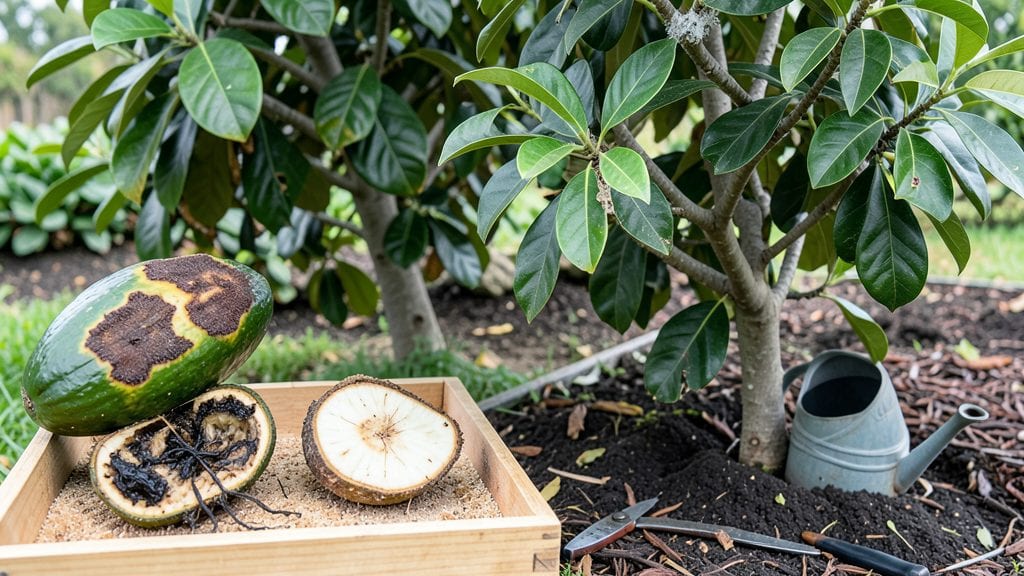
Here are these helpful avocado tree diseases pictures—your first line of defense before your tree’s health spirals into a defoliated stump. 🌿 I’ve seen healthy trees turn into sad, defoliated stumps because we ignored the first signs of trouble.
This guide shows you exactly what to look for, from dark spots on leaves to oozing cankers, so you can act before it’s too late.
The most common fungal issues—like root rot, anthracnose, and powdery mildew—all start with subtle clues. Root rot hides underground until the leaves yellow and drop, while anthracnose leaves behind jagged brown edges that spread like a shadow.
Powdery mildew coats leaves in white fuzz, making them curl and fall off. Knowing these patterns means you can catch problems before they cripple your tree.
With the right treatments—copper fungicides, neem oil sprays, or pruning infected branches—you can bring your tree back to life. I’ve nursed back trees that looked hopeless just by acting fast. The key is acting now, before the disease takes over. Let’s get your avocado tree healthy again.
Whether you’re dealing with a young sapling or a mature tree, these solutions work for all stages. Early intervention is everything—so don’t wait until the damage is done. Your tree’s future starts with recognizing the warning signs today.
Root Causes Of Avocado Tree Ailments
Avocado trees, with their lush green foliage and prized fruit, are susceptible to a variety of diseases—often triggered by environmental stress, microbial invaders, or poor cultural practices. Understanding why these issues arise is key to prevention and treatment.
Below, we break down the most common culprits behind avocado tree diseases, backed by science and actionable insights.
Fungi are the #1 cause of avocado tree diseases, thriving in warm, humid conditions. These microscopic invaders exploit weakened trees through:
- Natural entry points: Fungal spores latch onto wounds (e.g., from pruning, storms, or insect damage) or penetrate through stomata (leaf pores). Phytophthora root rot, for example, enters via roots in waterlogged soil.
- Overhead irrigation: Splashing water spreads spores from soil to leaves, creating ideal conditions for diseases like avocado scab (Sphaceloma perseae).
- High humidity: Fungi like Colletotrichum (causing anthracnose) flourish in >75% humidity, especially on young fruit or leaves.
💡 Pro Tip: Space trees for airflow (12–15 ft apart) and water at the base—never overhead—to disrupt fungal spread.
Avocado trees are tropical natives, and when pushed beyond their comfort zone, they become disease magnets. Key stressors include:
| Factor | How It Weakens Trees | Diseases It Triggers |
|---|---|---|
| 🔥 Extreme Heat | Dries soil, reducing microbial balance and stressing roots. | Root rot, leaf scorch |
| 🌧️ Waterlogging | Deprives roots of oxygen, inviting Phytophthora fungi. | Phytophthora root rot, stem canker |
| ❄️ Cold Snaps | Damages cell membranes, making trees vulnerable to secondary infections. | Frost crack, bacterial canker |
| 🌀 Poor Drainage | Traps excess moisture, creating anaerobic soil conditions. | Root rot, soil-borne fungi |
✨ Actionable Fix: Test soil pH (ideal: 6.0–7.0) and amend with compost to improve drainage. Mulch with straw to regulate soil temperature.
Insects and mites don’t just nibble—they open the door for pathogens. Common culprits:
- Avocado thrips: Feed on leaves, creating wounds that invite Colletotrichum (anthracnose).
- Scale insects: Excrete honeydew, fostering sooty mold (Capnodium) and weakening trees.
- Root-knot nematodes: Damage roots, making trees susceptible to Phytophthora.
🎯 Prevention: Use kaolin clay sprays to deter thrips or introduce beneficial nematodes (Steinernema) to combat soil pests.
Avocados are heavy feeders, and deficiencies leave them prone to disease. Key deficiencies to monitor:
- Potassium (K): Low levels reduce cell wall strength, making fruit susceptible to anthracnose.
- Zinc (Zn): Deficiency causes leaf malformation, increasing stress and disease entry points.
- Nitrogen (N): Imbalance leads to weak growth, inviting fungal infections.
📊 Soil Test First: Correct imbalances with balanced fertilizers (e.g., 6-6-6 NPK) or chelated micronutrients for Zn/Mn.
By addressing these root causes—fungal pressure, environmental stress, pest activity, and nutritional gaps—you can fortify your avocado tree against diseases before they take hold. 🚀
How to Fix Avocado Tree Fungal Woes
Now that you’ve identified the problem, it’s time to take action! Fungal diseases can be stubborn, but with the right approach, your avocado tree can bounce back to healthy, fruit-bearing glory.
Below, we’ve mapped out practical, step-by-step solutions for each common fungal issue—plus prevention tips to keep future outbreaks at bay.
🔥 Step 1: Improve Soil Drainage Immediately Root rot thrives in soggy soil, so act fast:
- 👨🍳 Dig around the base (6–12 inches deep) and loosen compacted soil.
- 🥘 Mix in organic matter: Combine garden soil with perlite, coarse sand, or compost (50/50 ratio) to aerate roots.
- ⏰ Elevate the tree (if possible): Plant in a raised bed or mound soil around the trunk to prevent water pooling.
💡 Pro Tip: If your tree is in a pot, ✨ repot into a container with drainage holes and use a well-draining cactus/succulent mix.
🔪 Step 2: Apply Fungicide
- 🌡️ Copper fungicide (e.g., Bordeaux mixture or copper sulfate) is effective against Phytophthora.
- 🎯 Follow label instructions—typically spray the soil and lower trunk every 2–4 weeks until symptoms fade.
- 💪 For severe cases, consult a local nursery for systemic fungicides like phosphite-based products.
🚫 Prevention:
- 📊 Water at the base, not overhead—keep foliage dry.
- 🌧️ Avoid overwatering: Let the top 2–3 inches of soil dry out between waterings.
- 🔍 Monitor drainage: If your yard floods after rain, consider 💡 French drains or sloped planting.
🍳 Step 1: Remove Infected Leaves & Fruit
- 🔪 Sterilize pruners with rubbing alcohol between cuts.
- 🗑️ Bag and discard (don’t compost!) diseased leaves, fruit, and twigs to prevent spread.
- 🌿 Thin out dense foliage to improve airflow—fungi love humidity!
💡 Pro Tip: ✨ Disinfect tools after each cut to avoid cross-contamination.
🔥 Step 2: Spray Fungicide Preventively
- 🌡️ Copper-based or sulfur fungicides work well for anthracnose.
- 🎯 Apply every 7–14 days during rainy seasons or high-humidity periods.
- 💪 For organic control, mix 🍋 1 tbsp baking soda + 1 tsp neem oil + 1 quart water and spray foliage.
🚫 Prevention:
- 🌧️ Water early in the day so leaves dry quickly.
- 🍃 Space trees 15–20 ft apart for better airflow.
- 🌿 Mulch lightly (2–3 inches) with straw or wood chips—avoid thick layers that trap moisture.
🍳 Step 1: Clean Up Debris
- 🧹 Remove fallen leaves and weeds around the tree.
- 🌿 Prune for airflow: Trim branches rubbing together or blocking sunlight.
🔥 Step 2: Apply Fungicidal Sprays
- 🌡️ Neem oil or horticultural oil (1–2% concentration) smothers mildew spores.
- 🎯 Mix 1 tbsp 🍋 baking soda + 1 tsp 🌿 liquid soap + 1 gallon water—spray both sides of leaves.
- 💪 For stubborn cases, use 🍄 sulfur or potassium bicarbonate sprays (follow package rates).
💡 Pro Tip: ✨ Spray in the evening to reduce leaf burn from sunlight.
🚫 Prevention:
- 💪 Avoid overhead watering—use 🌧️ drip irrigation or soaker hoses.
- 🌿 Choose resistant varieties like ‘Hass’ or ‘Fuerte’ if mildew is recurrent.
- 🌡️ Improve airflow with strategic pruning—🎯 aim for an open canopy.
🔪 Step 1: Prune Infected Areas Aggressively
- 🍳 Cut out cankers 6+ inches below the infected spot—🔥 sterilize tools between cuts!
- 🗑️ Destroy infected wood (burn or deep-bury)—🚫 do not compost.
💡 Pro Tip: ✨ Seal pruning wounds with 🌡️ pruning paint (optional but helps prevent reinfection).
🌡️ Step 2: Manage the Environment
- 🌧️ Reduce overhead watering—bacteria spread via splashing water.
- 💪 Improve drainage (as with root rot) to limit bacterial growth.
⚠️ Warning: 🚫 No chemical cure exists for bacterial canker—focus on prevention and containment.
🚫 Prevention:
- 🌿 Plant in well-draining soil—bacteria thrive in waterlogged conditions.
- 🍃 Avoid wounding the tree (e.g., rough pruning, lawnmower damage).
- 🌡️ Choose disease-resistant rootstock if replanting.
Final Thought: 🌟 Early action is key—the sooner you treat fungal issues, the easier they are to manage. 💪 Stay vigilant, adjust your care routine, and your avocado tree will thank you with juicy, healthy fruit for years to come!
Frequently asked questions
What are the most common signs of avocado tree diseases in pictures?
Look for yellowing leaves (root rot), dark spots with jagged edges (anthracnose), or white powdery coatings (mildew). Root rot shows brown, mushy roots, while bacterial canker creates oozing, sunken lesions. Always compare symptoms to trusted visual guides—like those in our gallery—to confirm before treating.
Can I use neem oil to treat all avocado tree diseases?
Neem oil works best for fungal issues like powdery mildew and anthracnose, but it’s ineffective against bacterial canker or root rot. For bacterial problems, focus on pruning infected areas and improving drainage. Always mix neem oil with water (1 tsp per quart) and apply at dusk to avoid leaf burn.
How do I know if my avocado tree has root rot or just needs more water?
Root rot causes yellowing leaves, stunted growth, and a foul-smelling root system, while underwatering shows crispy leaf edges and dry soil. Stick your finger 2 inches into the soil—if it’s bone-dry, water deeply. If roots are mushy and brown, you’ve got root rot and need to act fast with copper fungicide.
Are there organic treatments for bacterial canker?
No, bacterial canker has no organic cure—prune infected branches and improve drainage to limit spread. Copper sprays won’t work here. Focus on prevention: avoid wounding the tree and plant in well-draining soil. If the infection spreads, consult a specialist for potential removal.
Why do my avocado tree’s leaves turn brown at the edges?
This is often leaf scorch from underwatering, but it can also signal fungal infections (like anthracnose) or nutrient deficiencies. Check for other symptoms: dry soil (underwatering), dark spots (fungus), or purple undersides (potassium deficiency). Adjust watering or fertilize with a balanced NPK blend.