Shrubs
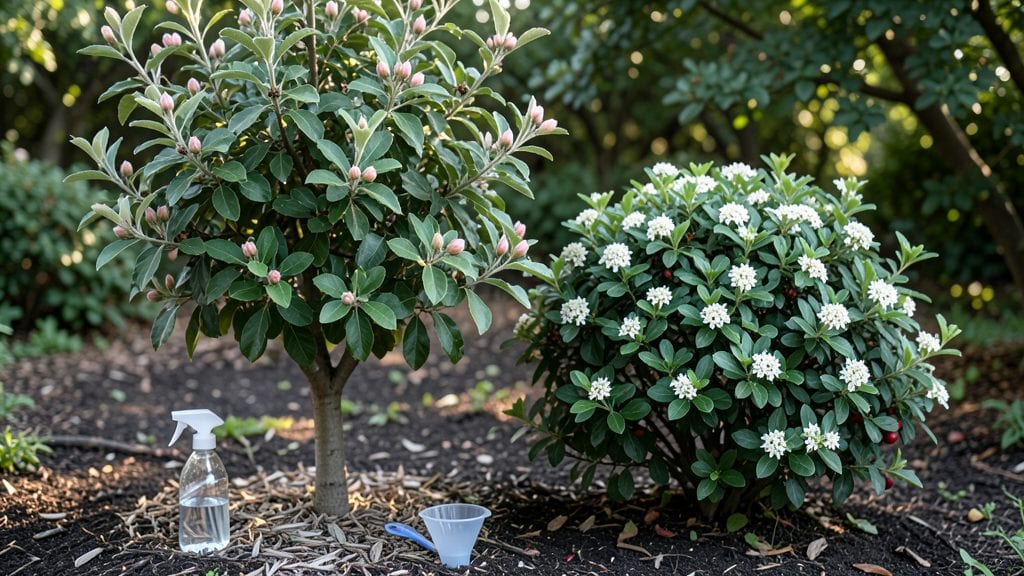
The best fungicide for trees and shrubs depends on the disease: copper-based sprays like Bonide Copper Fungicide tackle fungal spores on contact, while systemic options like Fungi-Nil penetrate tissue to treat powdery mildew and black spot. For severe infections, Ortho Max Garden Disease Control combines multiple active ingredients for broad-spectrum protection.
The right fungicide can mean the difference between saving a plant and losing it to infection. Copper-based fungicides like Bonide work on the surface, creating a protective barrier that prevents fungal spores from taking hold—ideal for diseases like apple scab or peach leaf curl.
Systemic fungicides like Fungi-Nil, on the other hand, get absorbed into the plant's system, targeting issues like black spot or anthracnose from within. For stubborn problems, Ortho Max's multi-active formula provides a stronger defense, but it's heavier on synthetic chemicals.
Always check your plants' specific needs before choosing—some may benefit more from organic options, while others need the power of synthetic treatments. 🔥
Timing is just as important as the product. Preventative applications in early spring can stop fungal spores before they spread, while curative treatments require quick action once symptoms appear. For example, powdery mildew thrives in humid conditions, so a systemic fungicide applied before summer rains can make all the difference.
Always follow label instructions for dosage and safety—some fungicides can harm beneficial insects or leave residues that affect pets. When in doubt, start with a copper-based spray for mild issues or consult a local arborist for severe cases.
💡 In This Article
- How Fungicides Work Against Tree and Shrub Diseases
- Selecting the Right Fungicide by Plant Type and Disease
How fungicides work against tree and shrub diseases
Fungicides fight plant diseases through two primary mechanisms: contact action and systemic absorption. Contact fungicides like copper-based formulas create a protective film on leaf surfaces, preventing fungal spores from germinating or infecting plant tissues.
The copper ions disrupt cellular processes in fungal cells, particularly by interfering with their energy production and protein synthesis. This is why copper works so well against surface-level diseases like apple scab or peach leaf curl—it physically blocks spores before they can establish infections. 🔥
The key difference lies in how these chemicals interact with fungal growth cycles. Systemic fungicides, such as those containing thiophanate-methyl (found in Fungi-Nil), get absorbed through leaves and stems, moving throughout the plant's vascular system.
Once inside, they inhibit fungal enzymes critical for cell division, effectively stopping diseases like black spot or powdery mildew at their source. For example, thiophanate-methyl targets the sterol biosynthesis pathway in fungi, preventing them from forming protective cell walls.
This makes systemic fungicides ideal for treating established infections where contact sprays might miss hidden spores.
Timing plays a crucial role in effectiveness. Preventative applications—especially in early spring—create a protective barrier before fungal spores become active. For instance, applying copper fungicide before rainy seasons can reduce apple scab infections by up to 70% compared to untreated trees.
Curative treatments, however, require faster action since fungal growth can spread rapidly. Systemic fungicides are particularly valuable here because they address infections already present in plant tissues, where contact sprays would fail to reach. 💫
Different diseases respond to specific active ingredients. Anthracnose, which causes dark, sunken lesions on leaves, often requires propiconazole (a triazole fungicide) to disrupt its spore formation. Rust diseases, identifiable by orange pustules on undersides of leaves, respond well to myclobutanil, which interferes with fungal membrane function.
Understanding these mechanisms helps gardeners choose the right tool for the job—whether it's a broad-spectrum contact fungicide or a targeted systemic treatment.
Environmental factors also influence fungicide performance. Humidity and temperature affect how quickly spores germinate and how well fungicides adhere to surfaces. For example, copper fungicides work best in dry conditions because moisture can wash them off leaves.
Systemic fungicides, however, perform consistently regardless of weather, making them more reliable for long-term protection. This is why arborists often recommend systemic options for high-value plants or those in humid climates where fungal pressure is constant. ✨
What most gardeners don't realize is that fungicides work best when used as part of an integrated approach. Combining chemical treatments with cultural practices—like proper pruning, watering at the base (not overhead), and choosing disease-resistant plant varieties—creates a stronger defense.
For example, removing infected leaves before applying fungicide can reduce the fungal load by 50%, making subsequent treatments more effective. This layered strategy is particularly important for organic gardeners who rely on copper or sulfur-based fungicides, which are less potent than synthetic alternatives.