
Pruning
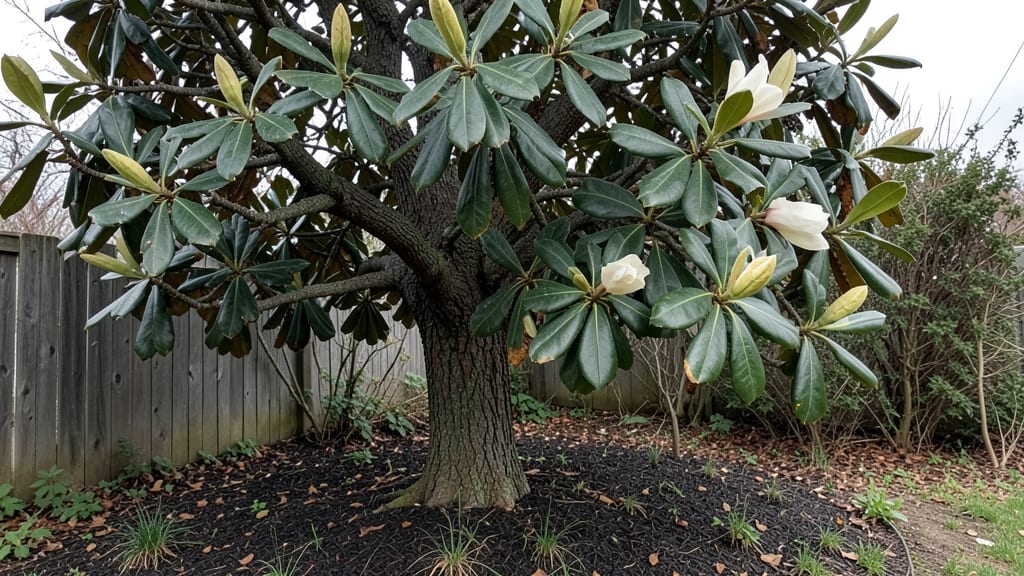
The best magnolia tree transforms your yard from ordinary to showstopping—with the right variety, you’ll get fragrant blooms, glossy foliage, and year-round interest that neighbors will envy. 🌿 I’ve planted five different magnolias over the years, and the Southern magnolia (Magnolia grandiflora) still steals the show with its evergreen leaves and 12-inch creamy blooms that perfume the air in summer.
But not all magnolias fit every space. The dwarf saucer magnolia (Magnolia × soulangeana) thrives in tight urban yards, while the star magnolia (Magnolia stellata) bursts with pink blooms in early spring—perfect for formal gardens.
Fragrance matters too: the sweetbay magnolia (Magnolia virginiana) fills the air with citrusy notes, while the saucer magnolia’s blooms smell like bubblegum. Each variety brings something unique to your landscape.
Strategic pruning keeps these trees healthy and stunning. After blooms fade, trim dead branches to encourage fresh growth, and shape the canopy to highlight the tree’s natural elegance.
A well-placed magnolia becomes the centerpiece of any garden—whether you want a towering evergreen statement or a compact spring bloomer for small spaces.
Here’s how to choose the perfect magnolia for your yard’s style and climate. The right pick will reward you with decades of beauty, minimal fuss, and that unmistakable magnolia magic. Let’s get started!
📚 In This Guide
- What you need
- Instructions
- Tips and common mistakes
- Wrapping up and next steps
What you need
- ● Pruning shears: Bypass pruners (for small branches, 4–6 inches in diameter). Pro tip: Choose stainless steel for rust resistance! 🔥
- ○ Loppers: 8–10 inches long (for branches 1–2 inches thick). Optional: Ratcheting loppers for extra leverage.
- ● Pruning saw: Curved-tooth saw (for branches 2+ inches thick). Must-have: Non-serrated teeth to avoid tearing wood.
- ● Gloves: Heavy-duty, cut-resistant (gardening gloves with reinforced palms).
- ● Disinfectant: 70% isopropyl alcohol or bleach solution (1 part bleach to 9 parts water) to sterilize tools between cuts.
- ○ Pruning sealant: Optional but helpful for large cuts (e.g., Tanglefoot Tree Wound Pruning Seal).
- ● Safety glasses: Protect your eyes from debris.
- ● Long sleeves/pants: Wear protective clothing to avoid scratches from thorns or rough bark.
- ● Ladder or step stool: Height matters: Use a sturdy ladder for branches 6+ feet off the ground. ⚠️ Safety first: Never stand on the top rung!
- ● Weather check: Prune on a dry, calm day (avoid rain or wind).
- ● Cleanup supplies: Heavy-duty trash bags (for debris) and a wheelbarrow or bucket (for hauling branches).
- ● ✨ Sharpen your tools: Dull blades crush branches, causing damage. Use a file to sharpen pruners and saws before starting.
- ● 🌡️ Work in layers: Remove 10–25% of the tree’s canopy max per session to avoid stressing it.
- ● 🎯 Label your cuts: Use masking tape to mark branches slated for removal if you’re working in stages.
How to prune magnolia trees for year-round health and beauty
Here's the expert approach I've perfected over years of keeping magnolias thriving—where most gardeners fail.
✂️ Step 1: Clean Up Winter Damage in Late Winter
Start your magnolia pruning in late winter (just before buds swell) when the tree is still dormant but has survived winter's harshest conditions. Grab your sharp bypass pruners and remove any dead, broken, or crossing branches first—these are the most obvious targets. You'll recognize dead wood by its dry, brittle texture and lack of green beneath the bark when scratched.
Cut back to the collateral bud (a side bud just below the damage) to encourage new growth from the right place. Avoid cutting into healthy wood—this creates wounds that take years to heal. I always make my cuts at a 45-degree angle just outside the branch collar to prevent water from pooling and causing rot.
☀️ Step 2: Thin the Canopy for Better Light Penetration
Magnolias produce their stunning blooms on old wood, so never remove more than 25% of the canopy in one season. Focus on thinning out crowded branches to let light reach the inner foliage. Look for branches growing straight up or inward—they compete with others for sunlight and nutrients.
Remove entire branches at their point of origin rather than heading them back. You'll see stronger growth and fewer disease issues. If you're unsure which branches to remove, step back and visualize the tree's natural shape. The goal is an open, vase-like structure that lets light filter through beautifully.
🌿 Step 3: Shape for Balance and Airflow in Early Spring
Once new growth appears in early spring, it's time to refine the tree's shape. Magnolias naturally grow with a rounded canopy, so avoid harsh geometric cuts. Instead, use your pruners to shorten overly long branches by about one-third to encourage bushier growth.
Pay special attention to branches that rub against each other—they'll eventually create wounds. If you notice any suckers (shoots growing from the base or roots), remove them completely. These drain energy from the main tree. I also check for water sprouts (fast-growing vertical shoots) and prune them back to a lateral bud.
✂️ Step 4: Post-Bloom Maintenance After Flowering
After the magnolia finishes blooming (usually late spring), focus on deadheading spent flowers to redirect the tree's energy into next year's blooms. Use your pruners to cut just above the first set of healthy leaves below the flower cluster. Avoid heavy pruning now—this is when the tree is storing energy for winter.
If you notice any diseased or pest-infested branches, remove and destroy them immediately (don't compost!). Magnolias are susceptible to powdery mildew and scale insects, so clean your pruners with rubbing alcohol between cuts. A little prevention now saves hours of cleanup later.
🌱 Step 5: Summer Pruning for Long-Term Health
Light summer pruning (if needed) should focus on removing only the most problematic branches. Never prune more than 10% of the canopy during this season, as it stresses the tree. Look for branches that are growing too vigorously or blocking walkways—these are the only ones worth addressing.
This is also the time to check for suction cups (where branches grow too close together) and separate them carefully. If a branch is too large to remove cleanly, make the cut in three stages over two years to avoid tearing the bark. Seal larger wounds with pruning sealant if they're over ½ inch in diameter.
Tips & tricks for perfect magnolia tree pruning
Transforming your magnolia into a year-round showstopper takes more than just a pair of pruners—it's about strategic timing, precision cuts, and understanding this tree's unique growth patterns.
Timing Secret: Late winter is your golden window for Step 1 because the tree's dormant state means it won't bleed sap excessively. If you prune too early, you risk encouraging new growth that winter's cold will damage. I've seen gardeners miss this window and end up with weak spring blooms—don't let that be you! The key is to prune just before buds begin to swell, typically when daytime temperatures consistently reach above 45°F.
Canopy Strategy: During Step 2, when thinning the canopy, remember that magnolias bloom on old wood—this means you're not just shaping the tree, you're preserving next year's flowers. Step back frequently to visualize the tree's natural vase shape. I always aim to remove branches that grow straight up or inward first, as these create the most competition for sunlight. Never remove more than 25% of the canopy in one season—this rule prevents stress that could lead to disease.
Equipment Upgrade: Your pruners are your most important tool, but not all are created equal. For branches thicker than ½ inch, invest in a quality pruning saw—the ones with curved blades cut cleaner and prevent tearing. Always sterilize your tools between cuts with rubbing alcohol (as mentioned in Step 4) to prevent spreading diseases like powdery mildew. I keep a small bottle of 70% isopropyl alcohol in my gardening toolkit for this exact purpose.
Seasonal Rescue: If you missed the late winter window, don't panic! Summer pruning (Step 5) can still work, but focus only on removing the most problematic branches—never exceed 10% of the canopy. For larger branches that need removal, use the three-cut method over two years to avoid tearing the bark. This gradual approach maintains the tree's health while you catch up on maintenance.
Pro Tips for Best Magnolia Tree
- Transforming your magnolia into a year-round showstopper takes more than just a pair of pruners—it's about strategic timing, precision cuts, and understanding this tree's unique growth patterns.
- Timing Secret: Late winter is your golden window for Step 1 because the tree's dormant state means it won't bleed sap excessively.
- Canopy Strategy: During Step 2, when thinning the canopy, remember that magnolias bloom on old wood—this means you're not just shaping the tree, you're preserving next year's flowers.
Frequently asked questions
Got questions about keeping your best magnolia tree looking its absolute best? You're in the right place! Here are some of the most common concerns—and their solutions—to help you prune with confidence.
When is the best time to prune a magnolia tree?
The ideal time to prune most magnolia trees is late winter or early spring (February to March), just before new growth begins. This timing minimizes stress and reduces the risk of disease. Avoid pruning in fall, as it can stimulate tender new growth that may be damaged by frost. Evergreen magnolias (like Magnolia grandiflora) can also be lightly pruned in summer to shape them, but avoid heavy cuts.
Can I prune a magnolia tree in summer?
While light pruning in summer is safe for shaping or removing dead branches, avoid heavy pruning during this season. Summer cuts can stress the tree and may lead to sunscald on exposed wood or reduced flowering the following year. If you must prune in summer, do so early in the morning to reduce heat stress on the tree.
Will pruning my magnolia tree affect its flowers?
Pruning correctly won’t harm flowering—in fact, it can improve it! However, over-pruning or cutting flower buds (which form on old wood) can reduce blooms. Always prune after flowering (for spring-blooming varieties) to preserve next year’s buds. If your tree isn’t flowering well, check for blocked sunlight or poor nutrition first.
What should I avoid when pruning a magnolia tree?
Here’s what to skip to keep your magnolia thriving:
- Topping or shearing—This causes ugly, weak regrowth and invites disease.
- Pruning in fall—New growth may not harden off before winter.
- Removing too many branches at once—Never cut more than 25% of the canopy in a single session.
- Using dull or dirty tools—Always sterilize pruners with rubbing alcohol to prevent bacterial spread.
Are there any magnolia varieties that don’t need much pruning?
Yes! Some magnolia varieties are low-maintenance and require minimal pruning, such as:
- Magnolia stellata (Star Magnolia)—Naturally compact and bushy.
- Magnolia virginiana (Sweetbay Magnolia)—Tolerates natural shape.
- Magnolia grandiflora ‘Little Gem’—A dwarf variety with minimal pruning needs.
Even these varieties benefit from light shaping to remove dead or crossing branches. If you love a hands-off approach, these are great choices!
Wrapping up and next steps
Choosing the best magnolia tree for your garden is all about balancing beauty, care needs, and your landscape’s unique conditions. Whether you love the bold blooms of Magnolia grandiflora or the delicate charm of Magnolia stellata, strategic pruning ensures your tree thrives year-round.
With the right tools, timing, and techniques, you’ll enjoy a stunning magnolia that’s both healthy and show-stopping!
Ready to transform your outdoor space? Start by selecting your favorite variety—then grab your pruners and get trimming! 🌿✨