
Size
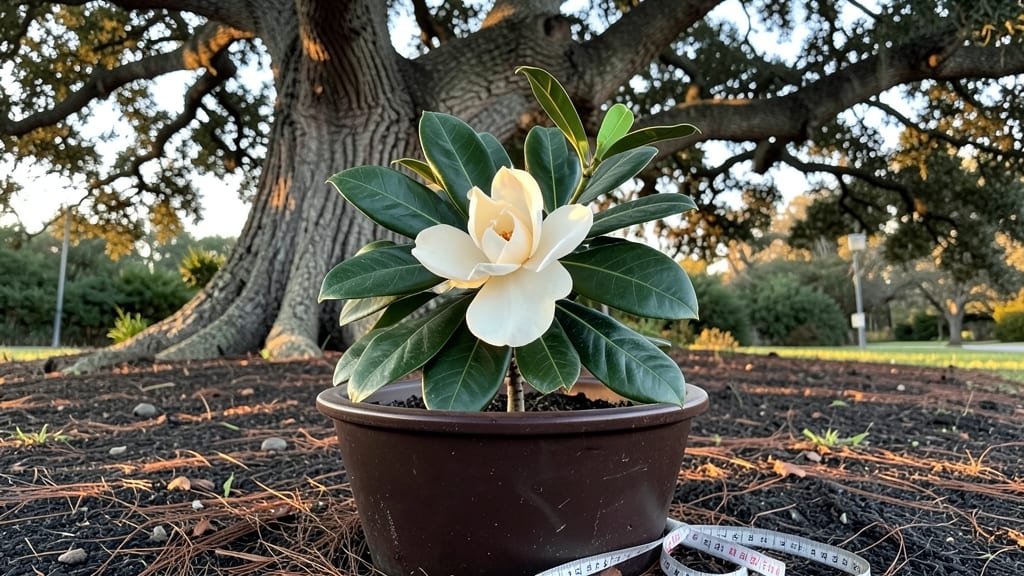
Southern Magnolia trees grow to a stunning 60 to 80 feet tall with a spread of 30 to 40 feet—think of a four-story building casting shade over your backyard.
If you're dreaming of a grand, shade-providing Southern Magnolia 🌳 but unsure if your yard can handle its mature size, you're not alone—this iconic tree's dimensions often surprise homeowners. Understanding its growth patterns is key to planting success.
This evergreen giant thrives in USDA zones 7-10, making it perfect for Southern landscapes, but its size means careful planning. Whether you're using it as a privacy screen or a focal point, spacing is everything—30 feet from structures is the minimum to avoid root conflicts.
In this guide, I’ll break down how fast it grows, how to manage its size in smaller spaces, and which companion plants pair best with its dramatic presence. Let’s make sure your Southern Magnolia fits perfectly in your garden vision.
Southern Magnolia tree size: mature height, spread & growth rate explained
The Southern Magnolia (Magnolia grandiflora) is a stately giant that can dominate a landscape with its iconic evergreen foliage and fragrant white blooms. But before you plant one, understanding its mature dimensions is crucial—this tree isn’t for small yards!
At full maturity, Southern Magnolias typically reach 60 to 80 feet tall, with a spread of 30 to 40 feet wide, making them one of the largest shade trees in the Southeast.
Their slow-to-moderate growth means they’ll be a long-term investment, but their majestic presence is worth it for those with the space.
If you’re comparing it to other Southern favorites, a Southern Magnolia grows taller than a Live Oak (which maxes out around 60 feet) but slower than a Bald Cypress, which can shoot up to 70 feet in ideal conditions. The key difference?
Magnolias have a denser canopy and broader spread, offering more shade but requiring more room to thrive. Their growth rate averages 12 to 24 inches per year, meaning it could take 30 to 40 years to reach full height—patience is a virtue when growing this beauty!
Metric
Southern Magnolia
Live Oak
Bald Cypress
Mature Height
60–80 ft
40–60 ft
50–70 ft
Spread (Canopy Width)
30–40 ft
40–60 ft
20–35 ft
Growth Rate (Annual)
12–24 in
12–20 in
24–36 in
Time to Mature Height
30–40 years
30–50 years
20–30 years
Best Climate Zones
USDA 7–10
USDA 7–10
USDA 4–9
Climate plays a huge role in how big your Southern Magnolia will get. In warmer, humid regions like the Deep South (e.g., Florida, Georgia, or Louisiana), these trees thrive and often reach the upper end of the height spectrum—closer to 80 feet—thanks to ideal growing conditions.
However, in cooler zones like North Carolina or Tennessee, growth may slow slightly, with mature heights hovering around 50 to 60 feet. Even in these areas, they still outshine many other shade trees in terms of size and elegance.
One factor that often surprises gardeners is how root systems expand. Southern Magnolias develop extensive, shallow roots that spread well beyond the canopy’s edge, sometimes up to 50 feet from the trunk.
This means you’ll need to account for root space when planning your landscape—planting too close to foundations, sidewalks, or other trees can lead to root conflicts or structural damage over time. Always give your magnolia at least 30 feet of clearance from buildings and 20 feet from other trees.
If you’re in a smaller urban yard or have limited space, don’t despair! While there aren’t true dwarf varieties of Southern Magnolias, you can prune strategically to control height and shape.
Pruning in late winter or early spring—before new growth begins—can help maintain a more manageable size without sacrificing the tree’s health. Just avoid heavy pruning in summer, as it can stress the tree and reduce its flowering potential for the following year.
For those in USDA zones 7–10, Southern Magnolias are a fantastic choice for privacy screens, focal points, or even as a shade provider for large patios.
Their glossy, dark green leaves provide year-round interest, and their fragrant blooms in late spring add a touch of luxury to any landscape. Just remember: this isn’t a tree for impulse planting. It’s a long-term commitment that rewards patience with decades of beauty and shade.
Pro tip: If you’re unsure about committing to a full-sized magnolia, consider planting one in a large container for a few years to test your space. While they’re not ideal for long-term container growing, it’s a great way to see how it fits into your yard before transplanting it permanently.
Just be prepared for frequent watering and root pruning to keep it manageable in a pot!
When comparing Southern Magnolias to other evergreen trees, their size is unmatched in the Southeast. While Leyland Cypresses grow faster and taller, they lack the magnolia’s classic beauty and fragrance.
If you love the look of a magnolia but need something smaller, consider the Little Gem Magnolia, a semi-dwarf variety that maxes out around 20 to 25 feet tall—though it’s still a statement tree in its own right.
In the end, the Southern Magnolia’s size is both its greatest asset and its biggest challenge. For those with the space, it’s a dream tree that adds value, curb appeal, and a touch of old-world charm to any property.
Just measure twice, plant once, and enjoy the shade for generations to come! 🌳
How much space do Southern Magnolias need? Planting zones & landscaping tips
Southern magnolias (Magnolia grandiflora) are stunning focal points, but their massive mature size demands careful planning. With a height of 60-80 feet and a spread of 30-40 feet, these trees need ample room to thrive without crowding your home or other plants.
The key is planting them at least 30 feet from structures to prevent root damage and allow proper airflow.
These trees thrive in USDA zones 7-10, making them perfect for the Southeast and Gulf Coast regions. If you live outside this range, consider microclimates or container growing for young trees. Always check your local frost dates—magnolias hate late frosts, which can damage tender new growth.
Southern Magnolia Size: Pros & Cons
Pros
- Stunning shade: Provides dense shade for patios and gardens.
- Year-round interest: Evergreen foliage and fragrant white blooms in spring.
- Low maintenance: Once established, needs minimal pruning.
- Wildlife magnet: Attracts birds and butterflies.
Cons
- Massive size: Requires 30+ feet of space—challenging for small yards.
- Slow growth: Takes 10+ years to reach half its mature height.
- Messy blooms: Dropped flowers can create slippery petals on walkways.
- Root competition: Can outcompete nearby plants for water/nutrients.
For smaller yards, consider dwarf varieties like 'Little Gem' (20-25 ft tall) or 'Bracken's Brown Beauty' (15-20 ft tall). These compact options still deliver magnolia beauty without the space demands. Plant them near foundation plantings or as street tree alternatives in urban areas.
When planting, always dig a wide hole (3x wider than the root ball) to encourage outward root growth. Mulch heavily around the base to retain moisture and suppress weeds, but keep mulch 3 inches away from the trunk to prevent rot.
Pair magnolias with acid-loving companions like azaleas, camellias, or hydrangeas for a cohesive garden design.
If your yard is too small, opt for container growing in the first few years, then transplant to the ground. Choose a large, sturdy pot (3+ feet in diameter) with drainage holes.
Move containers gradually to acclimate roots to outdoor conditions, especially in hotter climates where temperature swings can stress young trees.
Prune only to remove dead or crossing branches—never to reduce size, as magnolias respond poorly to heavy pruning. The best time to prune is late winter or early spring, before new growth begins.
Use sterilized tools to prevent disease, and seal larger cuts with pruning sealant to protect the tree.
With the right planning, a Southern magnolia can be the centerpiece of your landscape, whether you have acres or just a small urban lot. Start small with a dwarf variety, or go bold with a classic—just give it the space it deserves! 🌳