
Planting
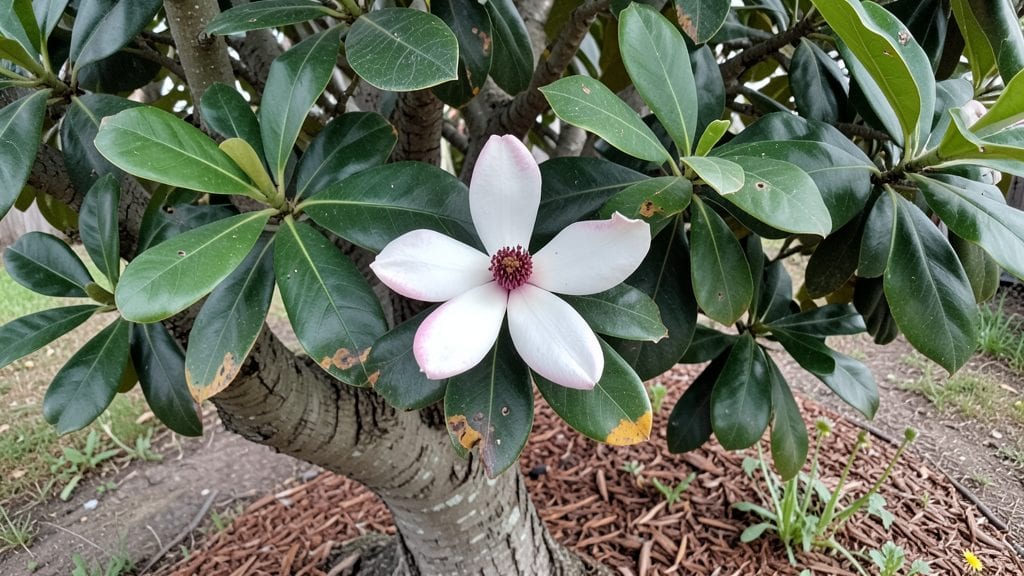
Finding the best place to plant a magnolia tree transforms it into a showstopper that blooms reliably for decades.
The best place for a magnolia tree is where it gets morning sun and afternoon shade—just enough light to fuel those iconic flowers but not the scorching heat that stresses the roots.
I learned this the hard way when my first magnolia struggled in full sun, its leaves wilting by August.
Magnolias thrive in well-draining, slightly acidic soil with a pH between 5.0 and 6.5—think of it as the Goldilocks zone for roots. They need space to stretch, too: dwarf varieties still need 10–15 feet of room, while standard magnolias demand 20–30 feet to avoid crowded branches.
In warmer climates like zones 7–9, plant them where they’ll get afternoon shade from other trees or a building.
Once planted, you’ll see the payoff in spring blooms that last weeks and glossy leaves that stay vibrant through summer. The key is avoiding low spots where water pools—magnolias hate soggy roots.
With the right spot, your tree will reward you with fragrant flowers and year-round interest, from winter bark texture to spring blossoms.
Regional tweaks matter: in colder zones (6 or below), choose a sheltered location to protect young trees from harsh winds. Southern gardeners should prioritize shade to prevent leaf scorch. The best spot isn’t just about sunlight—it’s about creating a microclimate where your magnolia can thrive for generations.
📚 In This Guide
- What you need
- Instructions
- Tips and common mistakes
- Wrapping up and next steps
What you need
- ● Magnolia tree: Choose a healthy Magnolia grandiflora (southern magnolia) or Magnolia stellata (star magnolia) based on your climate. Size varies—saplings (3–6 ft) are easiest for beginners, while larger trees (10+ ft) may need professional help.
- ● Shovel: A digging shovel (18–24 inches wide) for planting holes.
- ● Garden fork or tiller: To loosen soil, especially in clay-heavy areas.
- ● Native soil or amended mix: Well-draining soil (sandy loam or loamy soil, pH 5.0–6.5).
- ○ Optional amendments: 2–3 inches of compost or peat moss (if soil is rocky or compacted).
- ● Mulch: Pine straw, shredded bark, or wood chips (2–3 inches thick; keep 6 inches away from the trunk).
- ● Watering can or hose: With a gentle spray nozzle for post-planting hydration.
- ○ Stakes & ties (optional but recommended for young trees): 2–3 wooden or metal stakes (4–6 ft tall) and soft tree ties.
- ● Location: A spot with morning sun + afternoon shade (4–6 hours of sunlight daily). Avoid low-lying areas where water pools.
- ● Space: Mature magnolias need 20–30 feet of clearance (check your tree’s species for exact spacing).
- ● Climate check: Hardiness zones 5–9 for most magnolias (verify your zone here).
- ● Timing: Plant in early spring or fall (avoid extreme heat or frost).
- ● 🔥 Test your soil: A pH test kit ($10–$15) ensures ideal acidity—magnolias hate alkaline soil!
- ○ ✨ Root stimulator: Mix in mycorrhizal fungi (optional) to boost root growth.
- ● 🌡️ Winter prep: Wrap young trees in burlap if your area gets harsh winds.
Instructions for planting a magnolia tree in the ideal sun-dappled location
Here’s how to position your magnolia for maximum beauty and health—no guesswork involved.
Assess Your Site’s Sunlight Patterns
Magnolias thrive in morning sun with afternoon shade, so scout your yard between 10 AM and 2 PM to identify spots where sunlight filters through trees or fades behind structures. Look for areas where dappled light creates shifting patterns—this mimics their natural woodland habitat. Avoid full sun locations, which can scorch delicate leaves, or deep shade, which weakens flowering.
Test your spot by placing a white sheet of paper on the ground at different times. If it stays mostly white with fleeting shadows, you’ve found the perfect balance. Mark the area with stakes to visualize the planting zone before digging. Remember, magnolias grow 15-40 feet wide at maturity, so leave ample space for their sprawling branches.
Prepare the Soil for Optimal Drainage
Magnolias despise soggy roots, so amend your soil with 3 inches of organic matter (like compost or leaf mold) mixed into the top 12 inches of native soil. Test drainage by digging a 12-inch hole and filling it with water—if it drains in under 30 minutes, your site is suitable. If water pools, raise the planting area by 6-12 inches with a mound of amended soil to prevent root rot.
For clay-heavy soils, blend in sand or perlite to improve aeration. Aim for a slightly acidic pH (5.5-6.5), which you can adjust with sulfur if needed. Spread a 3-inch layer of mulch (like pine straw or shredded bark) around the planting hole, keeping it 6 inches away from the trunk to avoid smothering.
Plant at the Correct Depth and Orientation
Dig a hole twice as wide as the root ball but no deeper—magnolias hate having their roots buried too deeply, which can suffocate them. Gently loosen the root ball’s edges with your fingers to encourage outward growth. Position the tree so its strongest branch faces south, ensuring even sunlight exposure. If planting multiple trees, space them 20-30 feet apart to allow airflow and reduce disease risk.
Backfill the hole with native soil, tamping lightly to eliminate air pockets. Water deeply to settle the roots, then create a 2-inch-high berm around the outer edge of the hole to direct water toward the root zone. Avoid compacting the soil—magnolias need loose, breathable roots to thrive. Once planted, water once weekly during dry spells, aiming for 1-2 inches of moisture per week.
Protect and Monitor for Early Growth
Young magnolias are vulnerable to deer, rabbits, and even curious pets, so install a temporary wire cage around the tree until it reaches 6 feet tall. Prune only to remove dead or crossing branches—never shape the tree in its first few years. Fertilize lightly in early spring with a balanced, slow-release fertilizer (10-10-10) to encourage root development without overstimulating growth.
Watch for signs of stress: yellowing leaves signal overwatering or poor drainage, while dropped buds often mean winter cold snaps. Mulch annually in late winter to insulate roots from temperature swings. In 5-7 years, your magnolia will reward you with fragrant blooms and lush foliage—proof you’ve given it the perfect sun-dappled home.
Tips & tricks for planting a magnolia tree in sun-dappled spots
These game-changing strategies will help you transform your yard into the perfect haven for a thriving magnolia—one that will reward you with breathtaking blooms for decades.
Sunlight Assessment Mastery: When evaluating your site between 10 AM and 2 PM, pay special attention to how shadows move throughout the day. The ideal spot should receive direct morning sunlight but transition to dappled shade by late afternoon. Use a white sheet of paper as your guide—if it stays mostly white with only fleeting shadows, you've found the perfect balance. Pro tip: Observe your yard during different seasons, as sunlight patterns can shift dramatically between summer and winter.
Soil Preparation Secrets: The 30-minute drainage test is your most critical quality control step. If water pools after 30 minutes, you must take immediate action by creating a raised bed with amended soil. For clay-heavy soils, I recommend blending in equal parts sand and perlite to create the perfect airy environment. Remember that magnolias prefer slightly acidic soil (pH 5.5-6.5)—you can test your soil's pH with a simple home test kit available at garden centers.
Root Ball Handling Technique: When loosening the root ball edges, be gentle but thorough—this encourages outward root growth rather than circling, which can strangle the tree. After planting, create that 2-inch-high berm around the hole's edge to direct water precisely where it's needed. This simple technique prevents water from running away from the root zone, which is crucial during those critical first weeks of establishment.
Long-Term Planning: While magnolias may take 5-7 years to reach their full flowering potential, their mature width of 15-40 feet means you should plan accordingly. Consider existing structures, power lines, and other landscape features when selecting your planting location. The strongest branch facing south ensures even sunlight exposure throughout the day, which maximizes bloom production and overall tree health.
Pro Tips for Best Place To Plant Magnolia Tree
- These game-changing strategies will help you transform your yard into the perfect haven for a thriving magnolia—one that will reward you with breathtaking blooms for decades.
- Sunlight Assessment Mastery: When evaluating your site between 10 AM and 2 PM, pay special attention to how shadows move throughout the day.
- Soil Preparation Secrets: The 30-minute drainage test is your most critical quality control step.
Frequently asked questions
Got questions about planting your magnolia tree? Here are some of the most common ones—plus expert tips to help you plant with confidence!
What’s the best time of year to plant a magnolia tree?
The ideal window is late fall to early spring (before buds swell or after leaves drop). This gives roots time to establish before summer heat. Avoid planting in scorching summer months—magnolias hate stress!
Can I plant a magnolia tree in a cold climate?
Yes! Many magnolias thrive in USDA Zones 4-9. Choose cold-hardy varieties like Magnolia stellata (star magnolia) or Magnolia × soulangeana (saucer magnolia). Just pick a sheltered spot to protect roots from harsh winds.
What if my yard doesn’t have full sun? Can I still plant one?
Magnolias love morning sun + afternoon shade. Avoid deep shade (like under dense evergreens)—they need at least 4-6 hours of light daily. East-facing spots or filtered light work great!
Why is my magnolia’s leaves turning yellow or dropping?
Yellow leaves often mean overwatering, poor drainage, or root rot. Check soil moisture (it should be damp but not soggy) and ensure the planting hole has gravel for drainage. Fungal issues? Prune affected branches and avoid wetting foliage.
Are there dwarf magnolias for small yards?
Yes! Try Magnolia ‘Little Gem’ (compact evergreen) or Magnolia ‘Black Tulip’ (small deciduous). These stay under 20 feet tall and fit cozy spaces. Just give them 3-5 feet of clearance for airflow and growth.
Pro Tip:
Mulch 3–4 inches deep around your magnolia (but keep it away from the trunk) to retain moisture and regulate soil temp. Use organic mulch like pine straw or shredded bark!
Wrapping up and next steps
Choosing the perfect spot for your magnolia tree is all about balance—sunlight for blooms, shelter from harsh winds, and well-drained soil for roots to thrive. 🌿 Whether you opt for a sun-dappled garden corner, a moist woodland edge, or a container-friendly patio, this versatile beauty will reward you with stunning flowers and glossy leaves for decades.
Now that you’re armed with the best practices, it’s time to roll up your sleeves and plant that dream tree!
Ready to take the next step? Check out our step-by-step planting guide to ensure your magnolia gets off to the best start. Happy planting! 🌱