Pests and Diseases
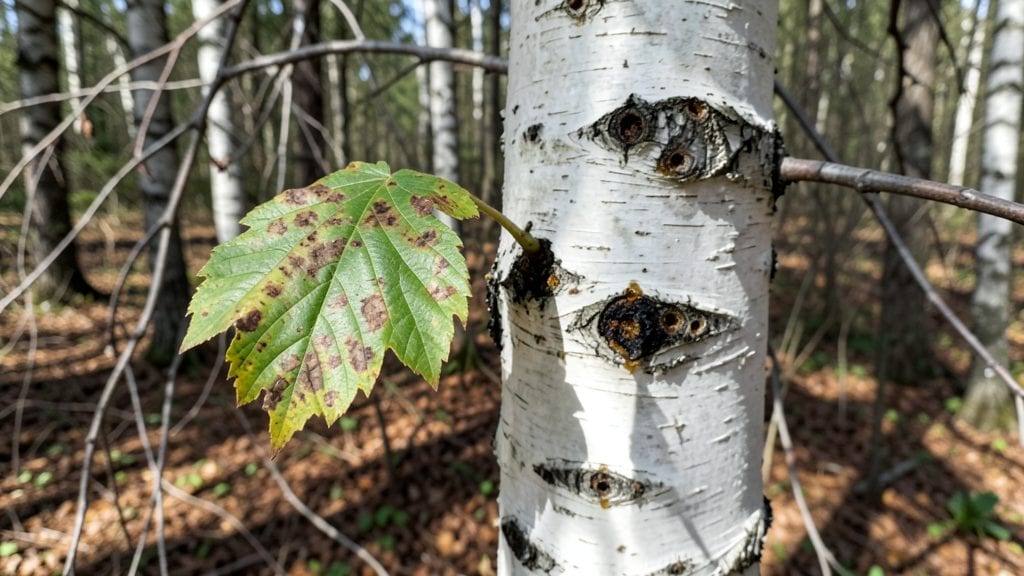
Spotting birch tree disease early can save your tree from slow decline or even death. 🌿 I’ve watched my own birch trees go from vibrant to wilted in just a few seasons—until I learned the warning signs and how to act fast.
The key is catching issues like leaf miners, borers, or fungal spots before they spread, because once they take hold, recovery gets a lot harder.
Most birch diseases start with subtle clues: yellowing leaves, strange tunnels in the bark, or a sticky sap buildup. The bronze birch borer, for example, leaves behind sawdust-like frass near the base, while fungal infections often show up as dark spots or powdery mildew.
The good news? Many of these problems respond well to early organic treatments—like neem oil sprays or pruning infected branches—before you need heavy-duty chemicals.
By the time you see wilting or widespread bark damage, the tree is already fighting a losing battle. But with the right approach, you can stop the spread, restore health, and even prevent future outbreaks.
Think of it like catching a cold before it turns into pneumonia—small steps now mean a stronger tree later.
Whether you’re dealing with a young sapling or a mature shade tree, this guide covers the most common threats and how to tackle them naturally. Let’s get your birch back to its best before the next season rolls around.
Root Causes of Birch Tree Decline
Understanding why birch trees fall prey to diseases is the first step in protecting them. These trees, known for their striking bark and graceful branches, are vulnerable to several factors that weaken their defenses.
Below, we break down the key reasons birch trees develop health issues—from fungal invasions to environmental stress—and explain the science behind each threat.
Fungal pathogens are the #1 culprit behind birch tree diseases, thriving in moist conditions to exploit weak or wounded trees. Here’s how they strike:
- Birch Leaf Spot (Marssonina) 🌿 - How it spreads: Fungal spores splash onto leaves during rain, germinating in warm (60–75°F), humid conditions. - Why it’s deadly: Clogs leaf stomata, blocking photosynthesis and causing premature leaf drop.
Severe cases lead to branch dieback over time. - Actionable clue: Look for dark brown spots with yellow halos on upper leaves—classic signs of Marssonina brunnea.
- Canker Diseases (Neonectria, Cytospora) 🪵 - How it starts: Fungal spores enter through pruning wounds, storm damage, or bark injuries, then colonize under the bark. - Why it’s destructive: The fungus girdles the tree by killing phloem tissue, cutting off nutrient flow.
Symptoms include sunken, oozing cankers and dead branches. - Actionable clue: Check for vertical cracks in bark that weep resin—this is a red flag for Neonectria canker.
- Root Rot (Armillaria, Phytophthora) 🌱 - How it begins: Waterlogged soil or compacted roots create the perfect breeding ground for soil-borne fungi. - Why it’s fatal: Fungal mycelium strangles roots, starving the tree of water and nutrients.
Infected trees often lean or topple unexpectedly. - Actionable clue: Lift the soil near the base—honey-colored fungal fans on roots confirm Armillaria (shelf fungus).
Insects don’t directly cause diseases, but their feeding opens doors for pathogens. Here’s how pests pave the way for trouble:
- Birch Borers (Bronze and Roundheaded) 🪲
- How they harm: Larvae tunnel under bark, disrupting sap flow and creating entry points for fungi/bacteria.
- Why it’s sneaky: Infested trees may appear healthy until sudden wilting or sawdust-like frass (borer droppings) appears at the base.
- Actionable clue: Tap branches—hollow-sounding wood signals borer activity.
- Aphids & Scale Insects 🐜
- How they harm: These sap-suckers weaken leaves, reducing the tree’s ability to fight off fungal spores.
- Why it’s a domino effect: Heavy infestations lead to sooty mold (a secondary fungus that grows on aphid honeydew), further blocking sunlight.
- Actionable clue: Check undersides of leaves for sticky residue or white cottony clusters (scale insects).
- Deer & Rodent Damage 🦌🐭
- How it starts: Chewed bark or girdling (ringing the trunk) exposes vulnerable tissue to infections.
- Why it’s urgent: Even partial girdling can kill a birch in 1–2 years if left untreated.
- Actionable clue: Look for clean, jagged bite marks or peeling bark strips near the trunk.
Birch trees are hardy, but chronic stress from their surroundings makes them disease magnets. Here’s what’s really breaking them down:
- Poor Soil Drainage 💦
- Why it’s deadly: Birches hate soggy roots. Waterlogged soil drowns roots, inviting Phytophthora (a deadly oomycete).
- Actionable fix: Test soil pH (ideal: 5.0–6.5) and amend with sand or compost to improve aeration.
- Competition for Resources 🌳
- How it weakens: Dense shade from neighboring trees or aggressive ground covers starves birches of sunlight, slowing recovery.
- Actionable clue: Thinning nearby vegetation can boost sunlight exposure by 30–50%.
- Extreme Temperature Swings ❄️☀️
- Why it’s risky: Sudden freezes after warm spells shock buds, making them prone to fungal infections like bacterial leaf scorch.
- Actionable tip: Mulch heavily in late fall to insulate roots and reduce temperature fluctuations.
- Air Pollution & Urban Stress 🏙️
- How it harms: Ozone and sulfur dioxide damage leaf tissue, creating entry points for pathogens.
- Actionable clue: Trees near highways often show silver-gray leaf undersides (a sign of pollution damage).
Even well-meaning gardeners can accelerate decline with these common practices:
- Overhead Watering 💦
- Why it’s bad: Wet foliage for long periods extends fungal spore germination time.
- Actionable fix: Water at the base only and avoid late-day irrigation.
- Improper Pruning ⚠️
- Why it’s dangerous: Cutting too late in the season (after June) or using dull tools creates ragged wounds that invite infection.
- Actionable rule: Prune in early spring and sterilize tools with 70% alcohol between cuts.
- Ignoring Mulch Depth 🌿
- Why it’s risky: Mulch piled too high (over 4 inches) suffocates roots and traps moisture, promoting rot.
- Actionable tip: Keep mulch 2–3 inches deep and 6 inches away from the trunk.
Birch trees don’t usually get sick from one factor—they’re a perfect storm of vulnerabilities. For example:
- Drought stress → Weakens roots → Phytophthora invades.
- Borers tunnel → Bark cracks → Cytospora canker takes hold.
- Aphids feed → Sooty mold grows → Blocks sunlight → Tree starves.
Pro Tip: 💡 If you spot one of these signs, investigate further—diseases rarely act alone. Address the root cause (literally and figuratively) before treating symptoms.
Fixing Birch Tree Ailments Naturally
When your birch tree shows signs of distress, acting quickly can save its life. Below are practical, step-by-step solutions tailored to the most common causes of birch tree diseases—from fungal infections to pest invasions. Each fix includes prevention tips to keep your tree thriving long-term.
Fungi thrive in damp, shaded conditions, so early detection and proper care are key.
🔥 Remove Infected Areas
- Prune diseased leaves, branches, or bark using sterilized pruners (wipe with rubbing alcohol between cuts).
- Cut 6–12 inches below the visible damage to ensure the fungus doesn’t spread further.
- Dispose of infected debris in a sealed trash bag—do not compost it.
🍳 Apply Fungicidal Sprays (Natural Options)
- Neem oil spray (1 tsp neem oil + 1 tsp mild soap per quart of water): Spray early morning or evening to avoid burning leaves.
Reapply every 7–10 days during wet seasons. - Copper fungicide (follow label instructions): Effective against canker and rust; apply before rainy seasons for prevention. - Baking soda solution (1 tbsp baking soda + 1 tsp oil + 1 gallon water): Spray weekly to raise leaf pH and inhibit fungal growth.
🌡️ Improve Airflow & Drainage
- Thin out dense branches to allow sunlight and air circulation.
- Avoid overhead watering—use drip irrigation or soaker hoses to keep foliage dry.
- Mulch properly: Use 2–4 inches of organic mulch (wood chips, straw) but keep it 6 inches away from the trunk to prevent rot.
💡 Pro Tip: Water in the early morning so leaves dry by nightfall—fungi love moisture!
Pests weaken trees by feeding on sap or tunneling into bark. Targeted treatments can restore health.
👨🍳 Trap & Remove Adult Borers
- Look for sawdust-like frass (borer waste) at the base of the trunk—this means larvae are inside.
- Wrap the trunk with sticky tree band traps (available at garden centers) to catch emerging adults.
- Drill small holes (1/8-inch) into the bark near exit holes, then inject horticultural oil to suffocate larvae.
🥘 Spray Pest-Deterring Solutions
- Soap spray (1 tbsp castile soap + 1 quart water): Blast aphids and scale directly; reapply every 3–5 days.
- Kaolin clay spray (follow product instructions): Creates a protective barrier that repels borers and aphids.
- Beneficial insects: Release ladybugs or lacewings to prey on aphids naturally.
⏰ Prevent Future Infestations
- Inspect trees annually for early signs of boreholes or sticky honeydew (aphid residue).
- Encourage natural predators: Plant dill, fennel, or yarrow nearby to attract pest-eating insects.
- Avoid stressing the tree: Over-fertilizing or drought weakens defenses—water deeply but infrequently (1–2 inches per week).
✨ Pro Tip: If borers are severe, consider professional help—deep infestations may require systemic insecticides like imidacloprid (use sparingly).
Birch trees often suffer from poor soil or imbalances, leading to weak immunity.
📊 Test & Amend Soil
- Get a soil test (local extension offices offer cheap kits) to check pH and nutrient levels.
- Birches prefer slightly acidic soil (pH 5.0–6.5)—add sulfur or peat moss if too alkaline.
- Add organic matter: Mix in compost or aged manure (1–2 inches around the drip line) to boost nutrients.
💪 Fertilize Strategically
- Use a balanced, slow-release fertilizer (10-10-10 or 20-20-20) in early spring.
- Avoid high-nitrogen fertilizers—they promote leafy growth but weaken disease resistance.
- Micronutrient boost: Sprinkle Epsom salt (magnesium sulfate) around the base if leaves show yellowing between veins (magnesium deficiency).
🎯 Pro Tip: Mulch with pine needles occasionally—they release nitrogen slowly and acidify soil naturally.
If your birch tree shows:
- Large, oozing cankers (sign of advanced fungal canker)
- Extensive borer damage (hollow-sounding trunk when tapped)
- Sudden leaf drop with no clear cause
A certified arborist can assess structural risks and recommend safe removal or advanced treatments.
Final Reminder: Prevention is easier than cure! Regular inspections, proper pruning, and healthy soil keep birch trees resilient. 🌿💪
Frequently asked questions
What are the first signs my birch tree might have a disease?
Watch for yellowing leaves with dark spots (fungal leaf spot), sawdust-like frass at the base (bronze borer), or peeling bark with oozing cankers (canker disease). These early warnings let you act before the tree declines further.
Can I save a birch tree with severe borer damage?
Early intervention works best: inject horticultural oil into boreholes or wrap the trunk with sticky bands to trap adults. If the trunk sounds hollow when tapped, consult an arborist—the damage may be irreversible.
How often should I treat fungal infections on birch trees?
Apply neem oil or copper fungicide every 7–10 days during wet seasons, and weekly with baking soda spray for prevention. Stop treatments once new growth appears healthy. Consistency is key!
Is it safe to prune infected branches myself?
Yes, but sterilize tools with rubbing alcohol between cuts and remove 6–12 inches below visible damage. Dispose of infected branches in sealed bags—never compost them to prevent spreading spores.
Why does my birch tree keep getting diseases even after treatment?
Chronic stress from poor soil drainage, overhead watering, or nutrient deficiencies weakens defenses. Test soil pH (5.0–6.5 ideal) and improve airflow by thinning branches. Healthy roots = natural resistance!